Table of Contents
- The Quick Answer: Turkey Shelf Life at a Glance
- Storing Raw Turkey: From Grocery Store to Oven
- The Thanksgiving Leftover Guide: Maximizing Freshness
- Freezing Turkey: The Long-Term Storage Solution
- Safe Thawing Methods: Don't Take Shortcuts
- How to Tell if Turkey Has Gone Bad
- CookBuddyGuide Practical Tips for Better Turkey Storage
The Quick Answer: Turkey Shelf Life at a Glance
Raw Turkey Storage Times
- Raw Whole Turkey: 1 to 2 days
- Raw Turkey Parts (Breasts, Legs, Wings): 1 to 2 days
- Raw Ground Turkey Storage: 1 to 2 days
- Turkey in Brine: 1 to 2 days (Do not exceed 48 hours or the texture becomes mushy)
Cooked Turkey Storage Times
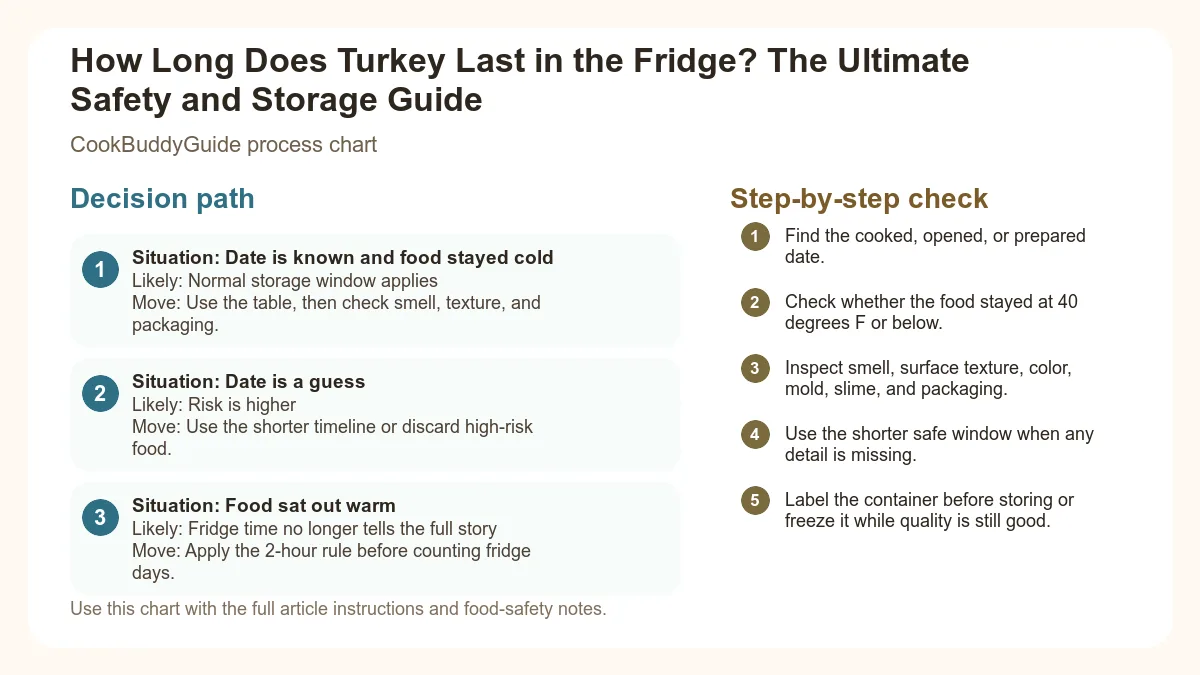
Once the meat is cooked, the salt and heat provide a bit more leeway, but not much. According to the suggested storage times for turkey, you have a 3 to 4-day window for safety.
- Roasted Turkey (Whole or Pieces): 3 to 4 days
- Deli Turkey Meat Shelf Life (Opened): 3 to 5 days
- Deli Turkey Meat (Unopened/Vacuum Sealed): 2 weeks (or check the date)
- Turkey Gravy and Stuffing: 1 to 2 days
The "2-Hour Rule": This is the most critical safety standard I teach. Per the practical tips for leftover foods shared by experts, perishable items should never be left in the Danger Zone (40°F - 140°F) for more than two hours. If your kitchen is over 90°F, that window shrinks to just one hour.
Storing Raw Turkey: From Grocery Store to Oven
How Long Does Raw Whole Turkey Last?
A raw whole bird can stay in your refrigerator for 1 to 2 days. If you buy a "fresh" turkey (never frozen) on Monday for a Thursday dinner, you are pushing the limits of safety. Consider buying fresh birds no more than 48 hours before you plan to roast them. If you must buy earlier, you should look for a "previously frozen" bird that is still mostly icy, which gives you a bit more time as it finishes thawing in your fridge.
Ground Turkey vs. Turkey Breast Pieces
The Importance of Original Packaging
Pro Technique: The Safe Brine Storage Method
If you are using a turkey brine storage technique (wet brining), safety is paramount. Consider using a food-grade brining bag or a large non-reactive pot.
- Ensure the brine is completely chilled before adding the turkey.
- The turkey must be fully submerged.
- Keep the container on the lowest shelf of the fridge to prevent spills.
- Maximum Time: Do not brine for more than 48 hours. After 24 hours, the salt begins to break down the proteins too much, leading to a "hammy" or spongy texture.
The Thanksgiving Leftover Guide: Maximizing Freshness
The 4-Day Rule for Cooked Turkey
Four days is the hard limit. If you cook your turkey on Thursday, Monday is the final day to eat it. This isn't just a suggestion; it’s a boundary to prevent foodborne illness. Bacteria like Listeria can actually grow at refrigerator temperatures, albeit slowly. By day five, the risk increases exponentially.
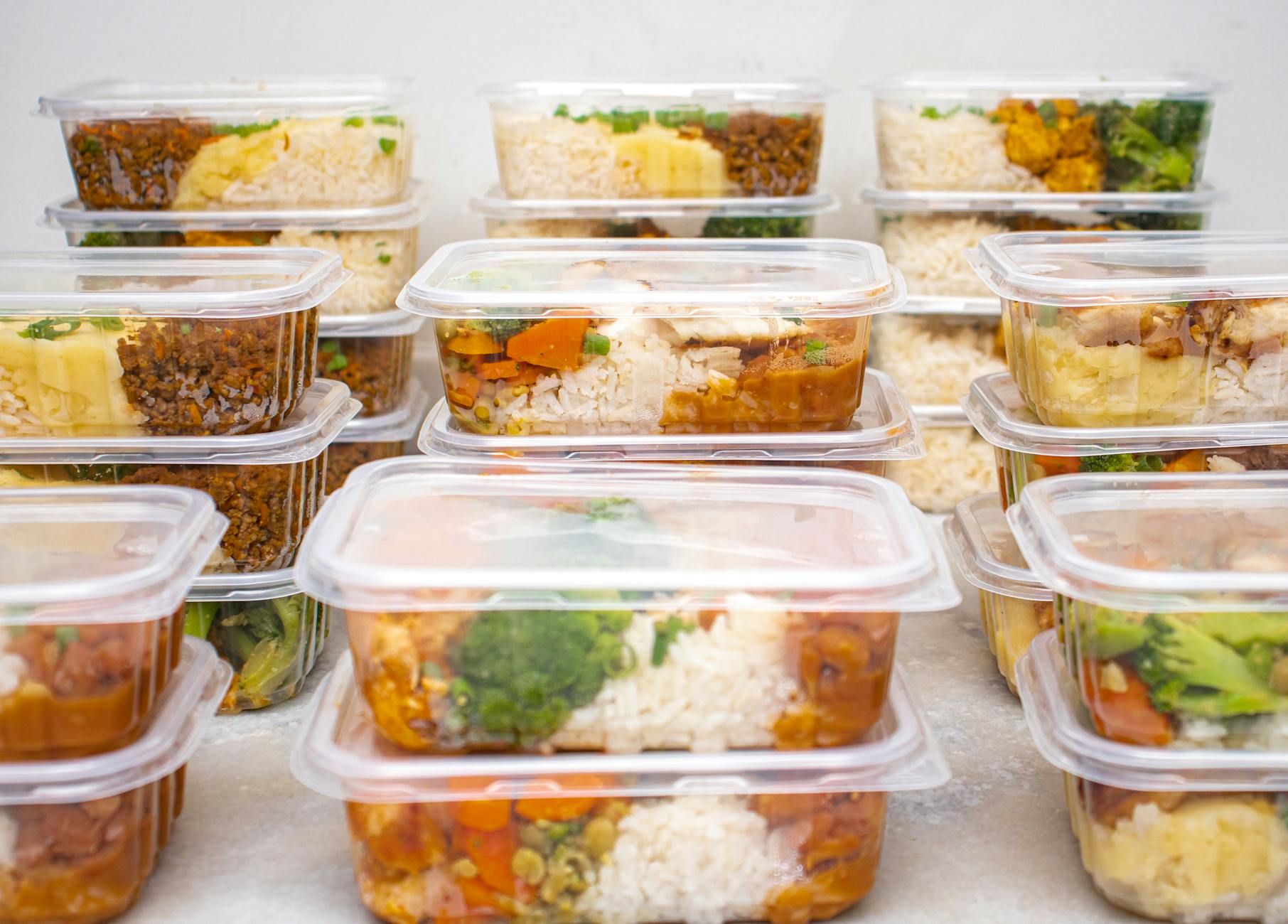
Best Containers for Leftovers
Should You Keep the Bone In or Out?
For more ideas on how to use up your remaining poultry, check out our guide on using leftover cooked poultry, which applies perfectly to turkey as well.
Freezing Turkey: The Long-Term Storage Solution
When you realize you can't possibly eat another sandwich, the freezer is your best friend. However, "tossing it in the freezer" is the fastest way to ruin expensive meat. Freezer burn prevention is the goal here.
How to Freeze Raw Turkey
If you find a great deal on a whole bird but aren't ready to cook it, keep it in its original factory seal. If you’ve broken down a whole bird into parts, you need to protect them from the dry air of the freezer. Use a triple-layer method:
- Wrap the piece tightly in plastic wrap.
- Wrap that in heavy-duty aluminum foil.
- Place the bundle in a freezer-safe Ziploc bag, squeezing out all the air.
Freezing Cooked Turkey for Future Meals
Recommended Freezer Timelines
According to the turkey from farm to table guide, frozen foods remain safe indefinitely if kept at 0°F, but quality degrades over time:
- Raw Whole Turkey: 12 months
- Raw Turkey Parts: 9 months
- Raw Ground Turkey: 3 to 4 months
- Cooked Turkey: 2 to 6 months (for best flavor)
Safe Thawing Methods: Don't Take Shortcuts
The Refrigerator Method (The Gold Standard)
The Cold Water Method (The Speed Option)
If you forgot to take the bird out, the cold water thawing method is your backup. Submerge the turkey in its original leak-proof packaging in a sink full of cold tap water. You must change the water every 30 minutes to ensure it stays cold. The Rule: Allow 30 minutes per pound. A 10-lb bird will take about 5 hours. Once thawed, you must cook it immediately.
Why You Should Never Use Warm Water
Using warm water to "speed things up" puts the outer layers of the meat directly into the Danger Zone. Bacteria will begin to multiply on the surface before the center is even soft. This is how outbreaks of food poisoning start. Stick to the preparing your holiday turkey safely guidelines provided by the CDC.
How to Tell if Turkey Has Gone Bad
Sometimes the dates on the package don't tell the whole story. Maybe your fridge had a power hiccup, or the grocery store's cooling system was failing. You must develop your "kitchen senses."
The Smell Test (The 'Funky' Factor)
Fresh raw turkey has almost no smell, or a very faint, neutral meaty odor. If you open the package and catch a whiff of something sour, sulfurous, or reminiscent of ammonia, it’s gone. Do not try to "wash it off." Bacteria produce toxins that cannot be washed or cooked away.
Texture and Slime: Visual Red Flags
When you touch the meat, it should feel moist but not "tacky." If there is a thick, slippery, or slimy film on the surface that leaves a residue on your fingers, the bacteria count is too high. This slime is actually a biofilm created by the bacteria as they colonize the meat.
Color Changes: What's Normal and What's Not
Raw turkey should be a light pink to off-white color. If you see shades of grey, green, or significant darkening, the meat is oxidizing and spoiling. For frozen meat, look for freezer burn—white, dried-out patches. While freezer burn isn't unsafe, it tastes like cardboard and should be trimmed away before cooking.
The "When In Doubt" Protocol
CookBuddyGuide Practical Tips for Better Turkey Storage
The Bottom Shelf Rule
Always store raw poultry on the lowest shelf of your refrigerator. Heat rises, meaning the top shelf is often several degrees warmer. More importantly, the bottom shelf ensures that if the packaging fails, raw juices won't drip onto your cooked foods or fresh produce. This is the single most effective way to prevent cross-contamination.
Monitoring Fridge Temperature
Don't trust the dial on your fridge. Keep a $5 standalone thermometer inside my refrigerator at all times. You want your refrigerator temperature settings to stay between 35°F and 38°F. If it hits 40°F, you are at the edge of the Danger Zone.
Reheating Turkey Safely
Frequently Asked Questions
It is not recommended. The USDA suggests a 3 to 4-day limit for cooked turkey. By day 5, the risk of spoilage and foodborne illness increases significantly.
While it removes oxygen and helps maintain quality, it does not significantly extend the safety window for raw poultry in the fridge (still 1-2 days). However, it does significantly extend the life of deli meats and frozen turkey.
If the turkey was thawed in the refrigerator, you can safely refreeze it, though there may be some loss of quality. If it was thawed using the cold water method, it must be cooked before freezing.
Final Thoughts
Understanding how long does turkey last in fridge is the hallmark of a confident home cook. By respecting the 2-hour rule, utilizing shallow airtight containers, and keeping a close eye on the calendar, you can enjoy your holiday feast and the week of meals that follows without any stress. Remember, food safety isn't just about rules—it's about ensuring that the love and effort you put into your cooking results in a healthy, happy table.
Happy cooking, and stay safe in the kitchen!