Quick answer
Yes. Rice can be reheated safely if it was refrigerated promptly, kept at 40°F or below, and reheated to 165°F throughout. Discard rice that sat out for more than 2 hours, or more than 1 hour above 90°F. If its time or temperature history is uncertain, reheating does not make it safe.
Practical note
The safest decision starts before the microwave turns on. Check when the rice was cooked, how quickly it reached the refrigerator, and whether it stayed cold. Smell and appearance cannot confirm that rice was handled safely. When the history is unclear, discard it.
Should you reheat this rice?
| Situation | Decision | Why |
|---|---|---|
| Refrigerated within 2 hours and kept at 40°F or below | Reheat to 165°F and eat promptly. | This follows USDA time, storage, and reheating guidance. |
| Left out more than 2 hours | Discard. | Food can spend too long in the 40°F to 140°F danger zone. |
| Left out more than 1 hour above 90°F | Discard. | USDA shortens the room-temperature limit in hot conditions. |
| Sat out overnight | Discard. | Heating cannot reliably undo unsafe storage or destroy toxin already formed. |
| Takeout rice with unknown holding history | Use a conservative judgment. Discard if it stayed warm for an unknown period. | The time before pickup or delivery may not be known. |
| Previously reheated rice | Prefer not to cool and reheat it again. | A one-reheat rule reduces repeated warming and cooling cycles. |
On this page
Why can cooked rice cause food poisoning?
Uncooked rice can carry spores of Bacillus cereus. Cooking may kill many active bacteria, but the spores can survive. If cooked rice then stays warm for too long, the spores can grow and the bacteria can produce toxin. FoodSafety.gov lists rice and other prepared foods left at room temperature among common sources of B. cereus illness.
Reheating is not a reset button. A CDC report on a fried-rice outbreak explains that brief heating may kill bacteria without destroying heat-stable toxin already present. That is why the cooling and storage history matters more than whether the rice becomes piping hot later. See the CDC outbreak report and FoodSafety.gov bacteria guide.
You cannot rely on smell, taste, or a dry surface to rule out the hazard. Rice may look normal even when its handling history makes it a poor choice. Do not taste rice to test it. If it was left out overnight, held in a lukewarm appliance, or moved through several unknown temperature changes, discard it.
How should cooked rice be cooled and stored?
Refrigerate cooked rice promptly. USDA FSIS says perishable leftovers must enter refrigeration within 2 hours, or within 1 hour when the surrounding temperature is above 90°F. The UK Food Standards Agency gives stricter rice-specific advice and says to chill rice as quickly as possible, ideally within 1 hour.
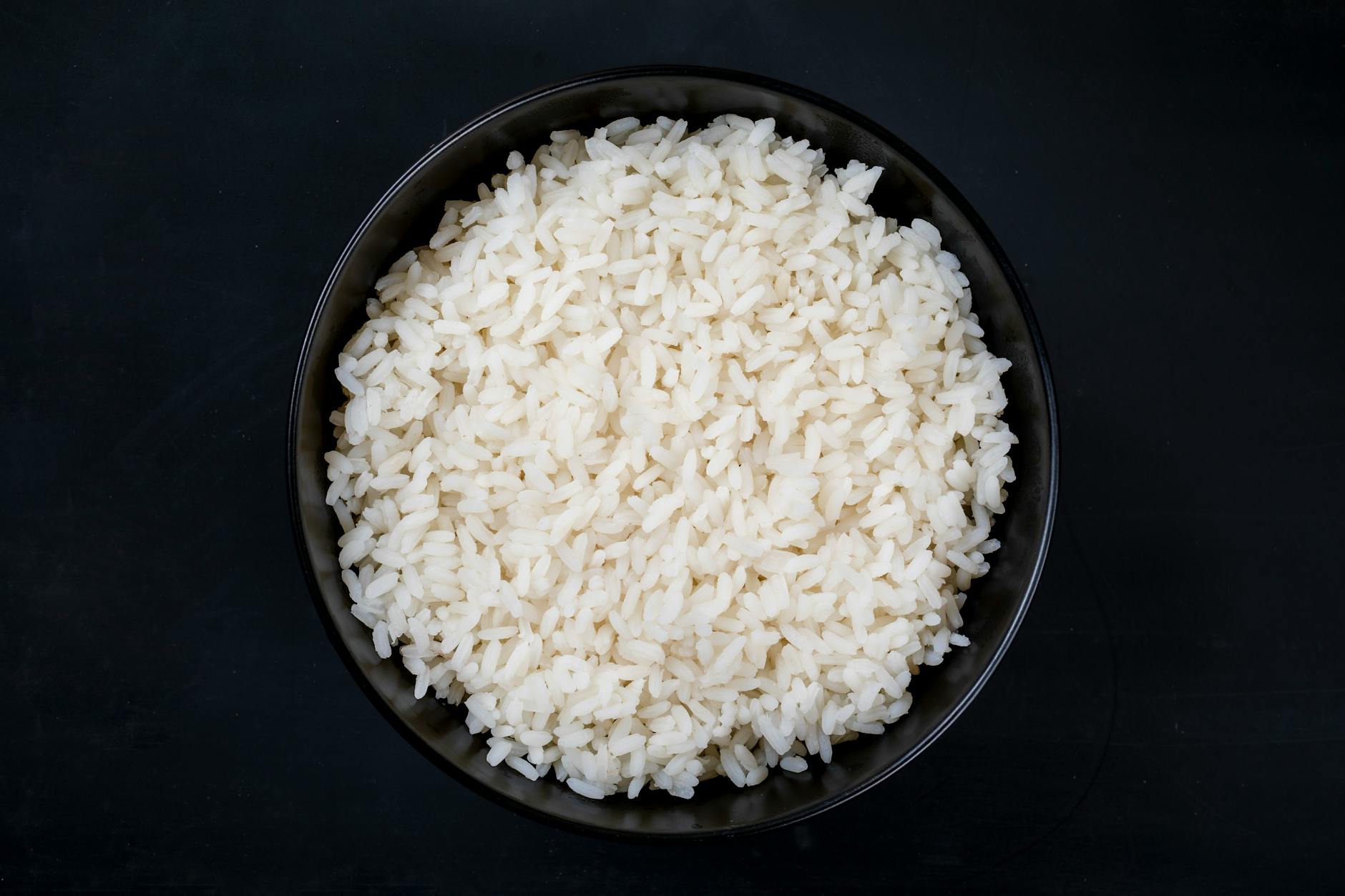
Do not leave a deep pot on the counter until it becomes cold. USDA says hot food can go directly into the refrigerator. The important step is to divide a large batch into shallow containers so the center cools quickly. A wide, shallow layer loses heat faster than a packed stockpot or deep mixing bowl.
- Serve what you need. Keep the portion for storage separate from food that has been handled at the table.
- Divide the rest. Spoon rice into clean, shallow containers instead of one deep container.
- Refrigerate promptly. Do not wait for the rice to reach room temperature. Stay inside the USDA limit and aim sooner.
- Cover and label. Once stored, mark the cooking date so the decision is not based on memory.
- Keep the refrigerator cold. Store rice at 40°F or below.
The same timing applies to rice from a rice cooker. A verified hot-hold temperature above 140°F prevents the food from sitting in the danger zone, but a vague "warm" setting is not proof. If the appliance temperature is unknown, cool and refrigerate the rice promptly rather than assuming it stayed safe.
How long does cooked rice last in the refrigerator?
U.S. guidance treats cooked rice as a leftover and allows 3 to 4 days in a refrigerator at 40°F or below. The UK Food Standards Agency uses a more conservative rice-specific limit of 24 hours before reheating. These are different official standards, so the safest practical approach is to choose one rule and label the container clearly.
For a simple low-risk household routine, refrigerate rice quickly, eat it the next day, and freeze portions that will not be used soon. If you follow the USDA 3-to-4-day window, count the cooking day accurately and keep the rice continuously cold. The separate guide to how long cooked rice lasts covers the storage timeline in more detail.
Freezing stops the refrigerator clock, but it does not rescue rice that sat out too long first. Freeze promptly in meal-sized portions. You can reheat frozen rice without thawing, provided the center reaches 165°F. For packaging and thawing choices, see how to freeze cooked rice.
How do you reheat rice safely?
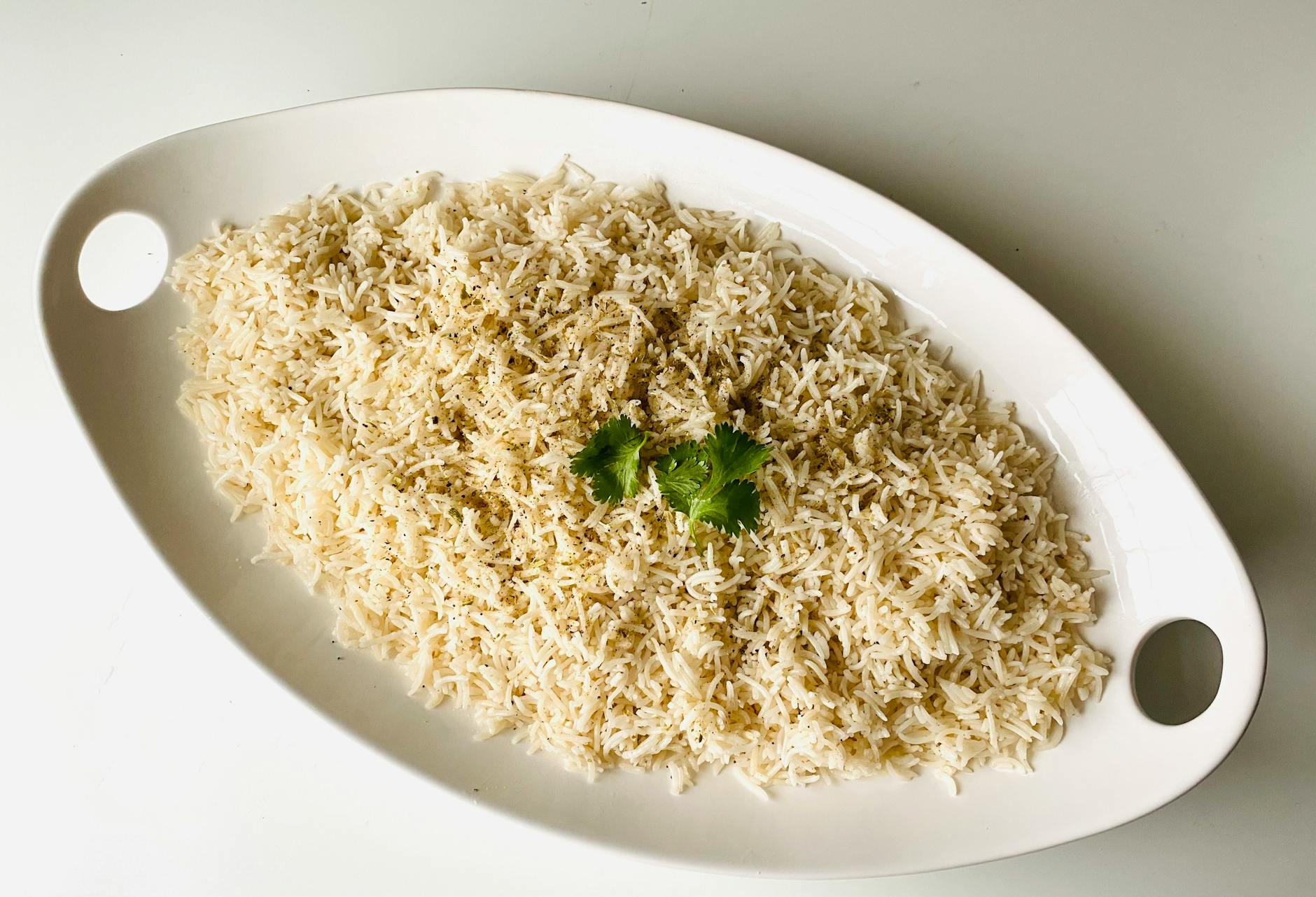
Reheat only rice that passed the time and storage check. USDA FSIS says leftovers should reach 165°F throughout. Covering the rice retains moisture, but it also makes even heating important. Stir or turn the rice during microwave heating, then check more than one spot because cold pockets can remain inside a clump.
Microwave method
- Place one serving in a microwave-safe dish and break up dense clumps.
- Add a small splash of water. Food Network Kitchen uses 1 tablespoon per cup for larger batches.
- Cover with a vented microwave-safe lid or a damp paper towel.
- Heat in short intervals, stirring between them so the center and edges warm evenly.
- Confirm 165°F in several places, then eat the rice promptly.
Stovetop method
- Put the rice in a saucepan with about 2 tablespoons of water per cup.
- Cover with a fitted lid and use medium-low heat.
- Stir gently once or twice to separate cold areas without turning the grains into paste.
- Continue until the batch reaches 165°F throughout. Serve at once.
Food Network Kitchen also gives an oven method for larger batches, but smaller portions are easier to heat evenly and reduce the chance of cooling leftovers again. Its rice reheating guide provides measured water amounts for microwave, stovetop, and oven methods.
What about fried rice?
Cold rice can go directly into a hot skillet, but the food-safety target does not change. Break up clumps before cooking and stir so the entire batch heats evenly. Check that the rice reaches 165°F rather than judging only by a hot pan or visible steam. Do not use rice that was dried on the counter for hours.
Can you reheat rice more than once?
For a simple, conservative household rule, reheat rice once. The UK Food Standards Agency specifically advises never reheating rice more than once. USDA's general leftover guidance is less restrictive and allows another reheat when food was handled safely, returned to refrigeration within 2 hours, and reheated to 165°F again.
The safest way to avoid the conflict is portion control. Refrigerate rice in individual or meal-sized containers and heat only what will be eaten. The untouched portions stay cold, and the serving on the plate does not need another cooling cycle. This also protects texture because repeated heating dries rice out.
Discard a reheated portion that sat at room temperature beyond the USDA limit. Do not mix it back into the cold storage container. If a larger dish contains rice, such as a casserole or fried rice, the same time and temperature rules apply to the whole dish.
Is takeout rice safe to reheat?
Takeout rice can be reheated when you know it reached the refrigerator promptly after pickup or delivery. The uncertainty is what happened before it reached you. Some restaurants prepare rice in advance, and you may not know whether your portion was already reheated or how long it was held warm.
If you plan to save it, refrigerate the rice within 2 hours of receiving the meal, sooner when practical. If the delivery was delayed, the container arrived merely warm, or the meal sat on the table for an unknown period, use a conservative decision and discard it. A hot microwave cannot correct an unknown holding history.
Common rice safety mistakes
- Waiting for rice to become cold on the counter. Divide it into shallow containers and refrigerate promptly.
- Keeping a deep pot as one batch. The center cools more slowly than the edges.
- Trusting smell. Normal smell does not prove safe time and temperature handling.
- Heating the edges only. Stir microwave rice and check several spots for 165°F.
- Reheating the full container repeatedly. Portion cold rice first and warm only what will be eaten.
- Saving rice with an unknown history. When the timeline cannot be reconstructed, discard it.
Frequently asked questions
Can you reheat rice more than once?
For a simple, conservative household rule, reheat rice only once and warm only the portion you will eat. The UK Food Standards Agency gives that rice-specific advice. U.S. guidance allows properly handled leftovers to be reheated again, but every cooling cycle adds another chance for time and temperature mistakes.
How long can cooked rice sit out before it becomes unsafe?
USDA guidance says to refrigerate perishable leftovers within 2 hours, or within 1 hour when the air temperature is above 90°F. For rice, act sooner when possible. Divide it into shallow containers and refrigerate promptly rather than waiting for a deep pot to cool on the counter.
Can you get food poisoning from reheated rice?
Yes. Bacillus cereus spores can survive cooking, then grow if cooked rice stays warm too long. Some toxin can withstand brief reheating, so heating mishandled rice does not make it safe again. The important controls are prompt refrigeration, cold storage, and discarding rice with an unsafe or unknown history.
Is it safe to eat cold rice from the fridge?
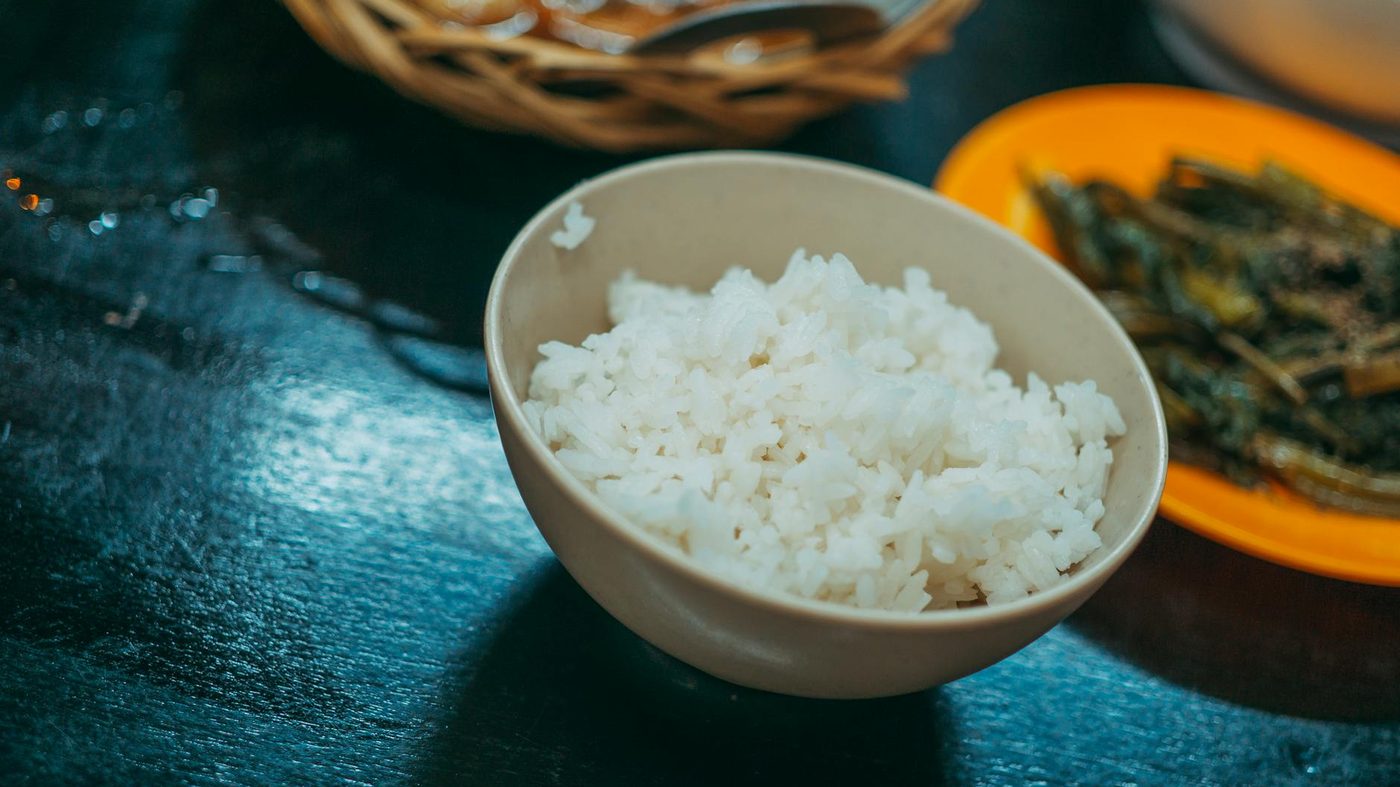
Cold rice can be safe when it was refrigerated promptly, kept at 40°F or below, and remains within the storage window you follow. Do not use smell or appearance as proof that mishandled rice is safe. If it sat out too long or its history is uncertain, discard it.
Sources
- USDA FSIS: Leftovers and Food Safety
- FoodSafety.gov: Bacteria and Viruses
- CDC: Bacillus cereus Food Poisoning Associated with Fried Rice
- UK Food Standards Agency: Home Food Fact Checker
- Food Network Kitchen: How to Reheat Rice Three Ways
What should you do now?
If the rice was refrigerated promptly and stayed cold, reheat one portion to 165°F and eat it right away. If it sat out too long or you cannot reconstruct the timeline, discard it. For broader reheating guidance, see how to reheat leftovers properly.