Quick Answer
This guide covers the best gluten free pasta recipes that are still delicious and never mushy. Master al dente GF pasta with our practical tips for carbonara, ziti, and more.
Practical note
For Gluten Free Pasta Recipes, this guide centers on The Secret, The 'Immediate Sauce' Mandate, The Oil-Toss Method. Those are the checkpoints we would use first in a normal home kitchen before making a bigger change.
Decision table
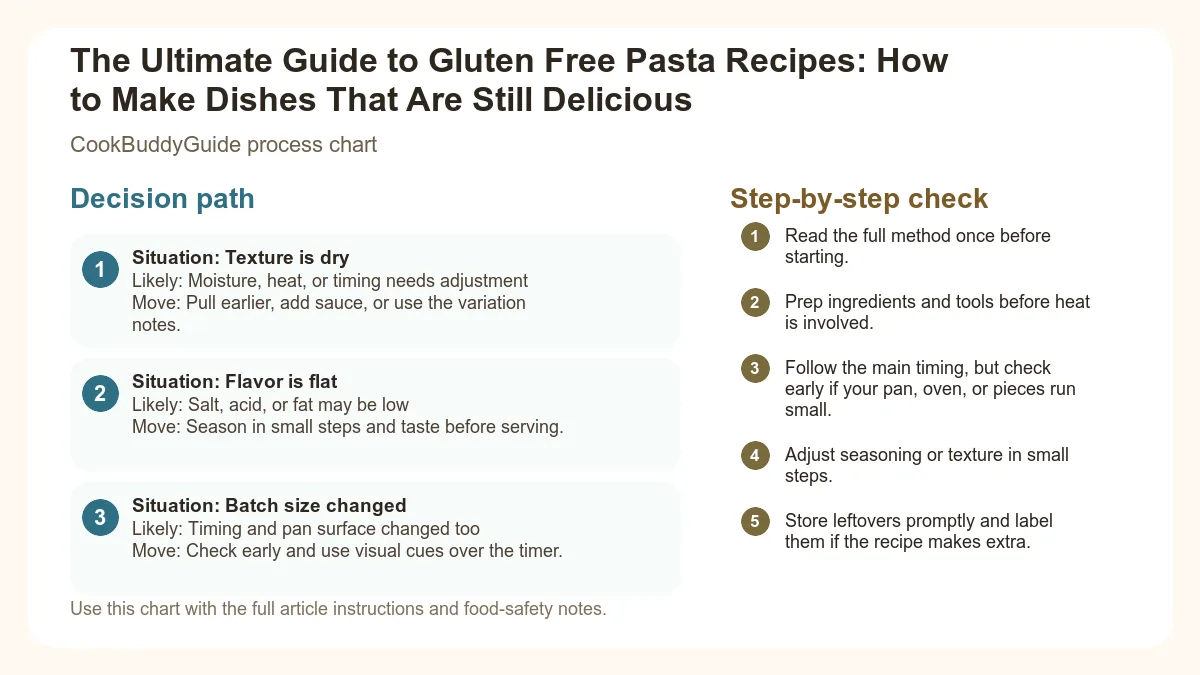
| Situation | Likely cause or meaning | Best move |
|---|---|---|
| Texture is dry | Moisture, heat, or timing needs adjustment | Pull earlier, add sauce, or use the variation notes. |
| Flavor is flat | Salt, acid, or fat may be low | Season in small steps and taste before serving. |
| Batch size changed | Timing and pan surface changed too | Check early and use visual cues over the timer. |
Step-by-step fix
- Read the full method once before starting.
- Prep ingredients and tools before heat is involved.
- Follow the main timing, but check early if your pan, oven, or pieces run small.
- Adjust seasoning or texture in small steps.
- Store leftovers promptly and label them if the recipe makes extra.
Common mistakes
- Changing the recipe before trying the base method once.
- Measuring casually when texture depends on ratios.
- Waiting until the end to fix seasoning.
- Ignoring carryover heat or resting time.
Related topic hubs
- The Best Gluten-Free Pasta Brands: A Cook's Review
- The Science of Cooking Gluten-Free Pasta Al Dente
- Recipe 1: Authentic Gluten-Free Pasta Carbonara
- Recipe 2: reliable Gluten-Free Cacio e Pepe
- Recipe 3: Vibrant Gluten-Free Pasta Primavera
- Recipe 4: Family-Style Gluten-Free Baked Ziti
- Recipe 5: Hearty Gluten-Free Pasta e Fagioli
- Practical Tips for Saucing and Serving
The Best Gluten-Free Pasta Brands: A Cook's Review
Top Pick for Texture: Jovial Brown Rice Pasta
Best Budget Option: Barilla Gluten Free
For a reliable, widely available option, Barilla’s blend of corn and rice is surprisingly robust. It mimics the color of wheat pasta perfectly. While it can become "mushy" if overcooked by even 30 seconds, it is an excellent choice for simple five ingredient dinners where the pasta is the star.
Best for High Protein: Banza Chickpea Pasta
The Gourmet Choice: Rummo Gluten Free
The Science of Cooking Gluten-Free Pasta Al Dente
Cooking gluten-free pasta is an exercise in precision. Unlike wheat pasta, which has a generous "buffer zone" of a few minutes, gluten-free varieties have a critical 30-second window between "perfect" and "mush." Understanding the physics of the pot is the first step toward success.
The 'Minus Two' Rule for Boiling
The Importance of a Massive Pot and Extra Water
Gluten-free starches are "stickier" than wheat gluten. As the noodles cook, they release a significant amount of starch into the water. If you use a small pot, that water becomes a thick slurry that coats the pasta and causes clumping. Use a minimum of 6 quarts of water for a standard 12-ounce box. Furthermore, you must salt the water more aggressively—about 2 tablespoons of kosher salt per gallon. Since the pasta spends less time in the water, it needs a higher salt concentration to season the noodle from the inside out.
To Rinse or Not to Rinse?
This is a debated topic in the gluten-free community. For hot dishes, never rinse. You need that surface starch to help the sauce cling. However, for **meal prep recipes** like cold pasta salads, a quick rinse under cold water is essential to stop the cooking process and remove the excess "fuzz" that can make cold gluten-free noodles feel gritty. For more technical mastery, refer to these tips for cooking gluten-free pasta.
Recipe 1: Authentic Gluten-Free Pasta Carbonara
- 12 oz Jovial Gluten-Free Spaghetti
- 150g Guanciale or thick-cut Pancetta, diced
- 4 large egg yolks + 1 whole egg (room temperature)
- 1 cup freshly grated Pecorino Romano
- 2 tsp freshly cracked black pepper
- 1/2 cup reserved starchy pasta water
- Bring a large pot of water to a rolling boil. Salt it heavily.
- While the water heats, sauté the guanciale in a large skillet over medium heat until the fat has rendered and the meat is crispy. Turn off the heat but leave the fat in the pan.
- In a small bowl, whisk the eggs and Pecorino Romano until a thick paste forms. Pro Tip: Add a tablespoon of warm water to this paste to "temper" it, preventing the "scrambled egg" syndrome.
- Drop the pasta. Follow the "Minus Two" rule.
- The Secret: Reserve a full cup of pasta water before draining. Drain the pasta and immediately add it to the skillet with the guanciale fat. Toss to coat.
- Pour the egg and cheese mixture over the pasta. Add 1/4 cup of the reserved water and whisk/toss vigorously. The residual heat from the pasta will cook the eggs into a creamy sauce. If it's too thick, add more water. Serving immediately is mandatory!
Recipe 2: reliable Gluten-Free Cacio e Pepe
By creating a very thin cornstarch slurry with the **starchy pasta water**, you provide a "bridge" for the Pecorino to grab onto the noodles. I also recommend using a high-quality bronze-cut GF pasta for this; the rougher the noodle, the better the result. Achieving a perfect cooking gluten-free pasta al dente finish is the key to this dish's success.
The Cornstarch Slurry Method
Ingredients: 12 oz Rummo GF Spaghetti, 1.5 cups finely grated Pecorino Romano, 1 tbsp whole black peppercorns (toasted and crushed), 1 tsp cornstarch.
Method: Toast the crushed pepper in a dry pan until fragrant. Add 1/2 cup of pasta water mixed with 1 tsp cornstarch to the pan and simmer until slightly thickened. Add the undercooked pasta to the pan. Slowly sprinkle in the cheese while tossing constantly. The cornstarch acts as a stabilizer, ensuring a silky, clump-free sauce every time.
Recipe 3: Vibrant Gluten-Free Pasta Primavera
The key here is to cook your vegetables separately and combine them at the very last second. A useful option is to blanch my asparagus and peas in the same **boiling water** Use for the pasta (just for the last 2 minutes) to save time. A light lemon-garlic butter sauce provides the perfect finish without weighing down the meal. Always finish with fresh mint or basil to provide a brightness that complements the nutty flavor of **brown rice pasta**.
Recipe 4: Family-Style Gluten-Free Baked Ziti
Baked pasta is the ultimate comfort food, but it is the number one cause of "mushy pasta" complaints. Because the pasta continues to cook in the oven, you must be aggressive with your timing.
Instructions:- Boil your gluten-free ziti for exactly 50% of the time listed on the box. If it says 10 minutes, boil for 5. It will feel too hard to eat—this is exactly what you want.
- Use 25% more marinara sauce than you would for wheat pasta. Gluten-free noodles are incredibly thirsty and will absorb moisture from the sauce as they bake.
- Bake at 375°F (190°C) until the cheese is bubbly and golden. Let it rest for 10 minutes before serving; this allows the structure of the pasta to "set."
Recipe 5: Hearty Gluten-Free Pasta e Fagioli
Practical Tips for Saucing and Serving
The final minutes of the cooking process are where a gluten-free meal is won or lost. Unlike wheat pasta, which can sit in a colander for a minute or two, gluten-free pasta begins to oxidize and dry out almost the instant it leaves the water.
- The 'Immediate Sauce' Mandate: Have your sauce simmering and ready in a pan before the pasta is finished. Transfer the pasta directly from the water to the sauce using a spider strainer or tongs. Never let it sit in a dry colander.
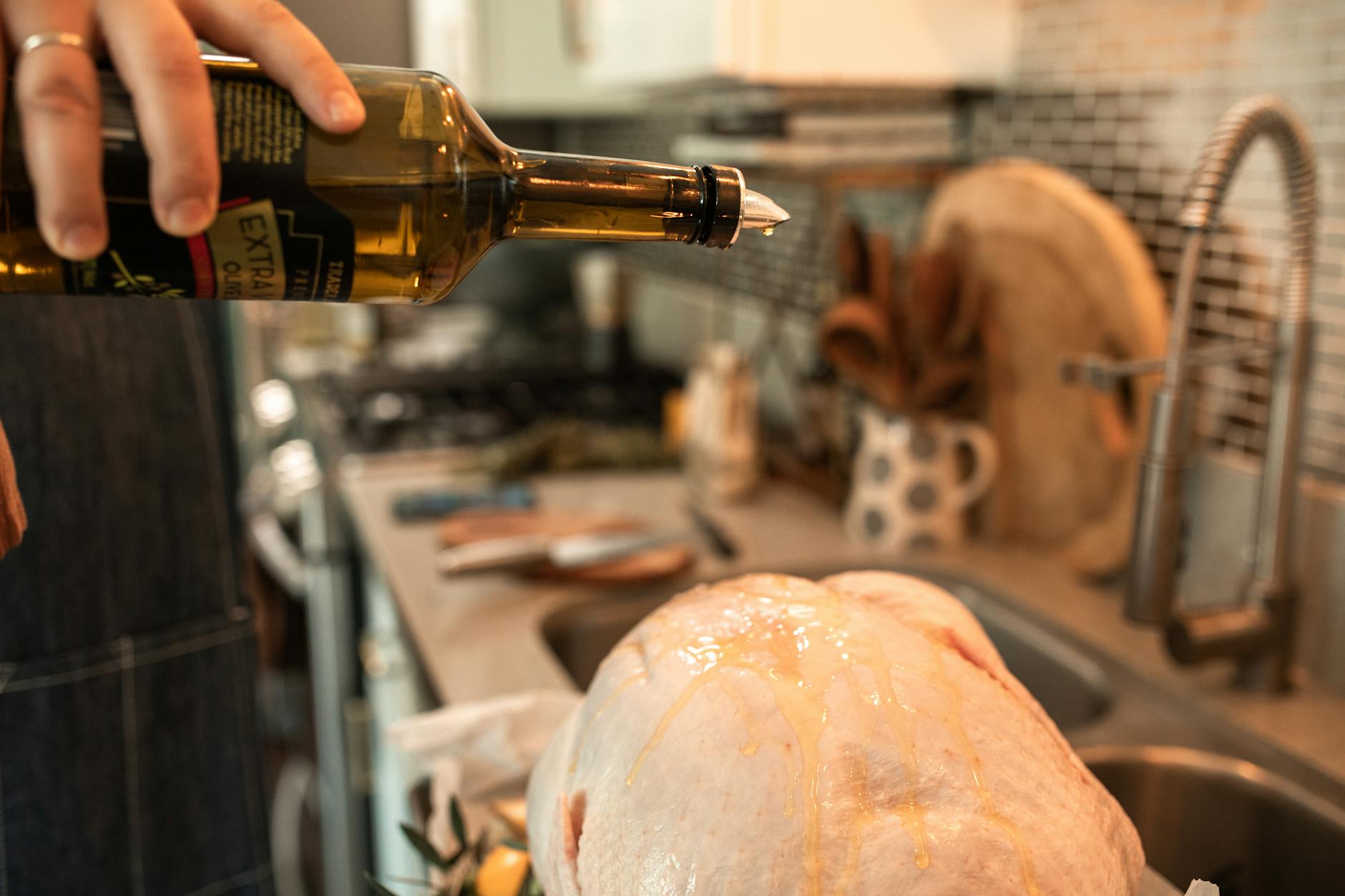
- The Oil-Toss Method: If you are making a pasta salad for a picnic, toss the warm, rinsed noodles with a tablespoon of neutral oil immediately. This creates a barrier that prevents the noodles from sticking together as they cool.
- Handling Leftovers: Gluten-free pasta notoriously hardens in the fridge. To revive it, add a splash of water or broth and cover the dish with a damp paper towel before microwaving. This creates a mini-steam chamber that softens the starches without making them soggy.
Eating gluten-free should never feel like a punishment. By selecting the right brands and respecting the unique science of alternative starches, you can create meals that are vibrant, textured, and truly satisfying. Whether it's a quick weeknight Carbonara or a slow-baked Ziti, these **gluten free pasta recipes** prove that you don't need wheat to have a world-class dinner. For more information on the health aspects of this lifestyle, the Mayo Clinic offers a great overview of the benefits of a gluten-free diet.
Frequently Asked Questions
A: This is common with **chickpea pasta** and some rice blends. It’s caused by the release of proteins and starches. Using a larger pot and adding a teaspoon of oil to the water can help keep the foam down.
A: Yes! In fact, gluten-free **starchy pasta water** is often a better thickener because of the high starch concentration. Just be sure to taste for saltiness before adding it to your sauce.
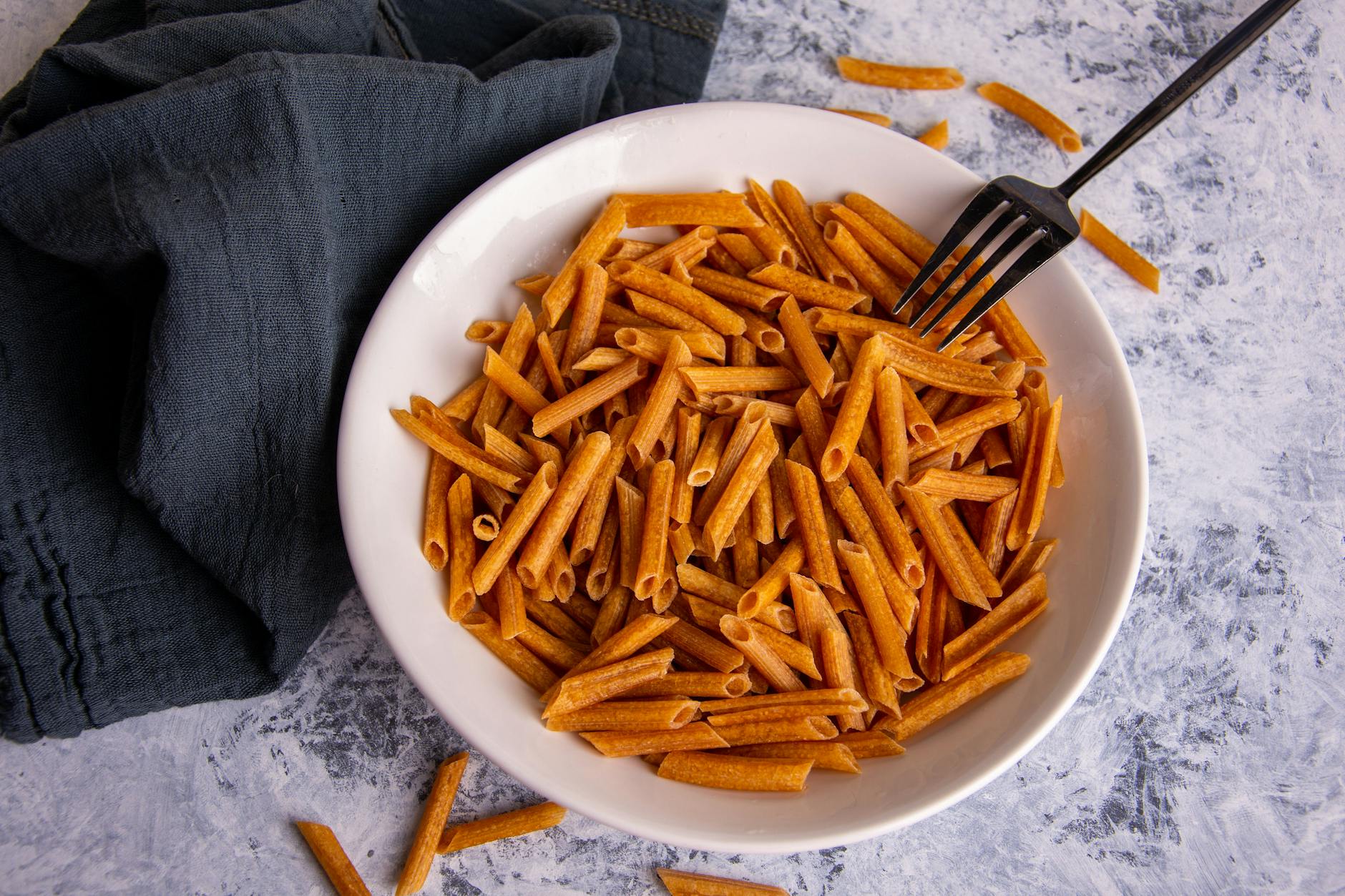
A: Short shapes like Fusilli, Penne, and Rigatoni are generally more "forgiving" and less likely to break than long strands like Spaghetti or Capellini.
In conclusion, the secret to the ultimate gluten-free pasta dish lies in the details. Watch your cooking times, salt your boiling water generously, and always, always save a little bit of that liquid gold starch water. Happy cooking!