Quick Answer
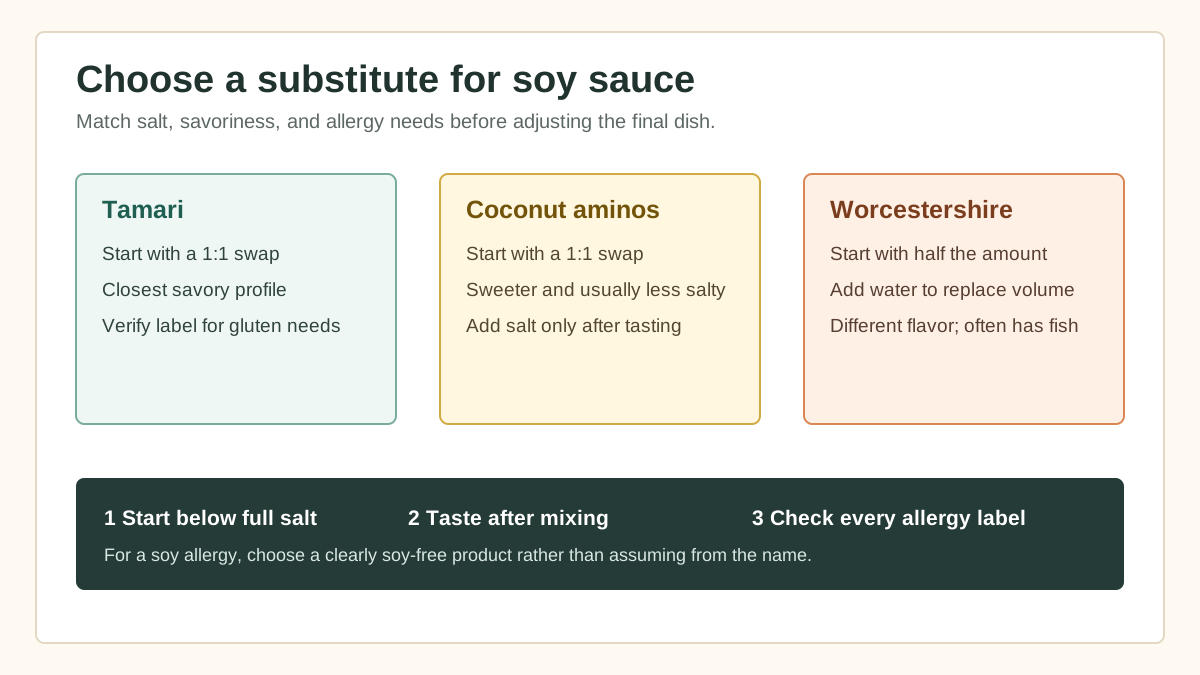
Tamari is the closest soy sauce substitute and works 1:1 in most recipes. For a soy-free option, use coconut aminos 1:1 but reduce other sweet ingredients; for fish sauce, start with half as much because it is stronger. In a soup or marinade where soy sauce is a background flavor, seasoned broth with a splash of vinegar can work.
Practical note
Taste the substitute before adding salt elsewhere in the recipe. Tamari, fish sauce, Worcestershire, and broth vary widely in sodium, while coconut aminos is usually sweeter and less salty than soy sauce.
Decision table
| Situation | Likely cause or meaning | Best move |
|---|---|---|
| Closest all-purpose replacement | Fermented flavor and salt both matter | Use tamari 1:1. |
| Soy-free stir-fry or marinade | You still need color and savory sweetness | Use coconut aminos 1:1 and reduce added sugar. |
| Soup, stew, or meat marinade | A strong savory seasoning can blend into the dish | Start with half as much fish sauce and taste. |
| Low-sodium background seasoning | The recipe needs moisture and mild umami | Use unsalted broth, then add salt and vinegar to taste. |
How to replace soy sauce
- Decide whether the recipe needs a dipping-sauce match or only background seasoning.
- Choose tamari, coconut aminos, fish sauce, Worcestershire, or broth for that job.
- Use the starting ratio in the table rather than assuming every option is 1:1.
- Add the substitute before any extra salt, sugar, or acid.
- Taste the finished sauce and adjust one element at a time.
Common mistakes
- Using fish sauce 1:1 and overpowering the dish.
- Adding a full measure of sugar when coconut aminos already tastes sweet.
- Using Worcestershire without checking for fish when allergies or vegetarian needs matter.
- Salting the dish before tasting the substitute in the finished sauce.
The closest substitute for soy sauce is tamari in a 1:1 swap. It gives the same savory, fermented backbone and works in stir-fries, marinades, dipping sauces, soups, rice bowls, and dressings. If you need a soy-free option, use coconut aminos for a mild sweet swap, fish sauce for salty umami, or a quick mix of broth, salt, and vinegar when the sauce is only a background seasoning.
Soy sauce is not just salt. It adds umami, color, acidity, aroma, and a little sweetness from fermentation. That is why the best substitute depends on the recipe: a dipping sauce needs a closer flavor match, while a marinade or stir-fry can handle a blend.
| Substitute | Use This Amount | Best For | Watch For |
|---|---|---|---|
| Tamari | 1 tablespoon for 1 tablespoon soy sauce | Dipping sauces, marinades, noodles, rice bowls | Still contains soy; check for gluten-free labeling if needed |
| Coconut aminos | 1 tablespoon for 1 tablespoon soy sauce | Soy-free stir-fries, dressings, bowls | Sweeter and usually less salty; add a pinch of salt |
| Fish sauce | 1 to 2 teaspoons for 1 tablespoon soy sauce | Stir-fries, fried rice, marinades, soups | Very salty and pungent; not vegetarian |
| Worcestershire sauce | 1 1/2 teaspoons for 1 tablespoon soy sauce | Beef marinades, gravies, burgers, pan sauces | Tangier and spiced; many brands include fish |
| Miso paste plus water | 2 teaspoons miso plus 1 teaspoon water for 1 tablespoon soy sauce | Soups, glazes, dressings, marinades | Still soy-based unless using a soy-free miso |
| Broth, salt, and vinegar | 1 tablespoon broth plus pinch salt plus 1/4 teaspoon vinegar | Emergency cooking swap, pan sauces, rice | Less complex; add mushrooms or garlic for depth |
In This Guide
How to Choose the Right Soy Sauce Substitute
Choose by job first, not by pantry order. Soy sauce can be a salty seasoning, a dipping sauce, a marinade base, a browning ingredient, or the main flavor in a sauce. A close swap like tamari is best when soy sauce is obvious. A blend works when soy sauce is only supporting garlic, ginger, sesame oil, chiles, meat, vegetables, or broth.
For stir fry without soy sauce, you need salt, umami, and a little sweetness. For fried rice without soy sauce, you need salt and color, but the rice also benefits from aromatics and high heat. For dipping sauces, use tamari or coconut aminos because thin broth-based swaps taste weak when they are not cooked. When the missing sauce also needs sweetness and a thick glaze, use the separate hoisin sauce substitute guide.
Quick rule: Use tamari when you can have soy. Use coconut aminos when you need soy-free. Use fish sauce when you need maximum savory depth and the dish can handle a seafood note.
Best Swaps by Recipe Type
Best All-Purpose Swap: Tamari
Tamari is the easiest 1:1 replacement. Serious Eats describes soy sauce and tamari as salty, umami-rich sauces that can often be used interchangeably, while noting that tamari is usually thicker, mellower, and commonly used when cooks want a wheat-free option. That makes it especially useful for dipping sauces, sushi-style bowls, glazes, salad dressings, and marinades.
Use 1 tablespoon tamari for 1 tablespoon soy sauce. Taste before adding extra salt, because brands vary. If the recipe depends on regular soy sauce's sharper saltiness, add a small pinch of salt or a few drops of rice vinegar at the end.
Best Soy-Free Swap: Coconut Aminos
Coconut aminos is the most practical soy-free liquid swap. Use it 1:1 for volume in stir-fries, bowls, dressings, and marinades. The flavor is milder, sweeter, and less salty than regular soy sauce, so the dish may need a pinch of salt, a splash of vinegar, or a small amount of fish sauce if that fits the diet.
It works well in easy stir-fry sauce, lettuce wraps, noodle bowls, and quick marinades for chicken or tofu. It is less convincing as a plain dipping sauce unless you like a softer, sweeter flavor.
Best for Stir-Fries and Fried Rice: Fish Sauce or Coconut Aminos
For high-heat cooking, fish sauce gives a powerful savory punch. Start with 1 teaspoon fish sauce for every 1 tablespoon soy sauce, cook it with the aromatics for a few seconds, then taste. Add up to 2 teaspoons if the dish still needs more depth. Fish sauce is strong, so it is better to build slowly than to fix an over-salted pan.
If you need vegetarian or soy-free without fish, use coconut aminos plus a pinch of salt. A little toasted sesame oil at the end can help round out the missing roasted flavor, but it does not replace salt.
Best for Beef, Burgers, and Gravy: Worcestershire Sauce
Worcestershire sauce is tangy, spiced, and savory. It is not a clean soy sauce match, but it is useful in beef marinades, meatloaf, burgers, gravies, and pan sauces where the recipe already wants a deeper brown flavor. Use half as much first: 1 1/2 teaspoons Worcestershire sauce for 1 tablespoon soy sauce.
If you want a fuller pantry sauce, combine 1 1/2 teaspoons Worcestershire, 1 1/2 teaspoons water, and a tiny pinch of salt. For more ideas in the same flavor family, see our Worcestershire sauce substitute guide.
Best for Soups, Glazes, and Dressings: Miso Paste
Miso paste brings fermented umami, salt, and body. Whisk 2 teaspoons miso with 1 teaspoon warm water to replace 1 tablespoon soy sauce. It is especially good in soup broth, noodle sauce, salad dressing, salmon glaze, tofu marinade, and vegetable bowls.
Miso is usually soy-based, so it is not the right answer for a soy allergy unless you have a clearly labeled soy-free miso. It also thickens the texture, which can be useful in glazes but too heavy for a thin dipping sauce.
Exact Ratios and Flavor Adjustments
Tamari Ratio
Use tamari 1:1. If the recipe calls for 2 tablespoons soy sauce, use 2 tablespoons tamari. Because tamari can taste rounder and less sharp, finish the dish with a few drops of rice vinegar or lime juice if it tastes heavy.
Coconut Aminos Ratio
Use coconut aminos 1:1, then adjust salt. For every tablespoon coconut aminos, expect to add a small pinch of salt in hot dishes. If the recipe already has sugar, honey, or sweet chili sauce, reduce that sweet ingredient slightly because coconut aminos can push the dish sweeter.
Fish Sauce Ratio
Use 1 to 2 teaspoons fish sauce for each tablespoon soy sauce. Start low for delicate dishes and use the higher end for fried rice, Thai-style stir-fries, meat marinades, and soups. Balance it with a pinch of sugar or a squeeze of lime if the flavor tastes too sharp.
Worcestershire Ratio
Use 1 1/2 teaspoons Worcestershire sauce plus 1 1/2 teaspoons water for each tablespoon soy sauce. This keeps the acidity from taking over. It is best in Western-style savory recipes, not clean Asian dipping sauces.
Broth, Salt, and Vinegar Ratio
For an emergency swap, mix 1 tablespoon unsalted broth, a pinch of salt, and 1/4 teaspoon rice vinegar or apple cider vinegar. Add a pinch of sugar if the recipe needs browning. This will not taste like soy sauce, but it restores salt, liquid, and brightness in a weeknight dinner.
Do not overcorrect too early: Soy sauce substitutes often taste different before cooking. Add the swap, cook the dish, then adjust salt, vinegar, or sweetness at the end.
Gluten-Free, Soy-Free, and Low-Sodium Notes
If You Need Gluten-Free
Do not assume regular soy sauce is gluten-free. Traditional soy sauce is often brewed with wheat, and the FDA explains that wheat is one of the major food allergens that must be declared on packaged foods. Look for a product specifically labeled gluten-free, such as a certified gluten-free tamari or coconut aminos.
For people with celiac disease or serious gluten sensitivity, label wording matters more than kitchen assumptions. Under 21 CFR 101.91, a food labeled gluten-free must meet specific ingredient and gluten limits, including less than 20 ppm gluten from unavoidable presence. Fermented sauces vary, and cross-contact can matter.
If You Need Soy-Free
Tamari, miso, and many liquid amino products are still soy-based. The FDA lists soybeans as a major food allergen, so read labels carefully when cooking for someone with a soy allergy. Coconut aminos is usually the easiest bottled option, but formulas can change.
For a soy-free homemade blend, try 2 tablespoons mushroom broth, 1/2 teaspoon molasses or brown sugar, 1/2 teaspoon rice vinegar, and salt to taste. Simmer it for a minute if you want a slightly darker, rounder sauce.
If You Need Lower Sodium
Use less sauce before switching to a sweet substitute. Soy sauce is salty by design, and many substitutes are still sodium-heavy. Low-sodium soy sauce, low-sodium tamari, coconut aminos, or diluted sauce can all help, but the best move is to taste and season in stages.
For a quick lower-sodium cooking swap, use half low-sodium tamari and half unsalted broth. Add garlic, ginger, vinegar, sesame oil, or chile crisp for flavor that does not rely only on salt.
Common Mistakes When Replacing Soy Sauce
Using Coconut Aminos Without Adding Salt
Coconut aminos can taste pleasant but flat in hot dishes if you use it exactly like soy sauce and never adjust. Add a small pinch of salt, a splash of vinegar, or a little extra garlic and ginger after cooking.
Using Too Much Fish Sauce
Fish sauce can rescue a bland stir-fry, but too much makes the dish taste fishy and salty. Start with 1 teaspoon per tablespoon of soy sauce called for. You can always add more at the end.
Assuming Tamari Is Always Gluten-Free
Tamari is often used as a wheat-free soy sauce alternative, but you still need to check the label. Some tamari-style sauces may be produced with wheat or without a gluten-free claim.
Replacing Dark Soy Sauce With a Thin Salty Sauce
Dark soy sauce adds color and light sweetness as well as salt. If a recipe calls for dark soy sauce, use tamari plus a tiny amount of molasses or brown sugar, or use a dark gluten-free tamari if you have one. Do not replace it with only salt water.
Source Notes
This guide uses current source checks from the FDA food allergies page for soy and wheat allergen labeling, 21 CFR 101.91 for gluten-free label requirements, and Serious Eats for the cooking differences between soy sauce and tamari.
Frequently Asked Questions
What is the closest substitute for soy sauce?
Tamari is the closest all-purpose substitute for soy sauce because it has similar fermented, savory depth. Use it 1:1, then taste before adding extra salt.
What can Use instead of soy sauce for a soy allergy?
Coconut aminos, fish sauce, Worcestershire sauce, mushroom broth, and salt plus vinegar can work, depending on the recipe. Always check labels because soy is one of the FDA's major food allergens and formulas vary.
Can Use Worcestershire sauce instead of soy sauce?
Yes, but use about half as much because Worcestershire sauce is tangier and more aromatic. It works best in marinades, burgers, gravies, and savory sauces, not clean dipping sauces.
Is coconut aminos a 1:1 substitute for soy sauce?
Coconut aminos can replace soy sauce 1:1 for volume, but it is usually sweeter and less salty. Add a pinch of salt or reduce other sweet ingredients if the dish tastes flat.