Quick Answer
This guide explains the secrets of fresh vs dried herbs cooking. It also covers when to use fresh or dried herbs, the 1:3 conversion ratio, and storage tips for better flavor.
Practical note
For Fresh vs Dried Herbs Cooking, this guide centers on dried oregano, fresh basil, spice rack. Those are the checkpoints we would use first in a normal home kitchen before making a bigger change.
Decision table
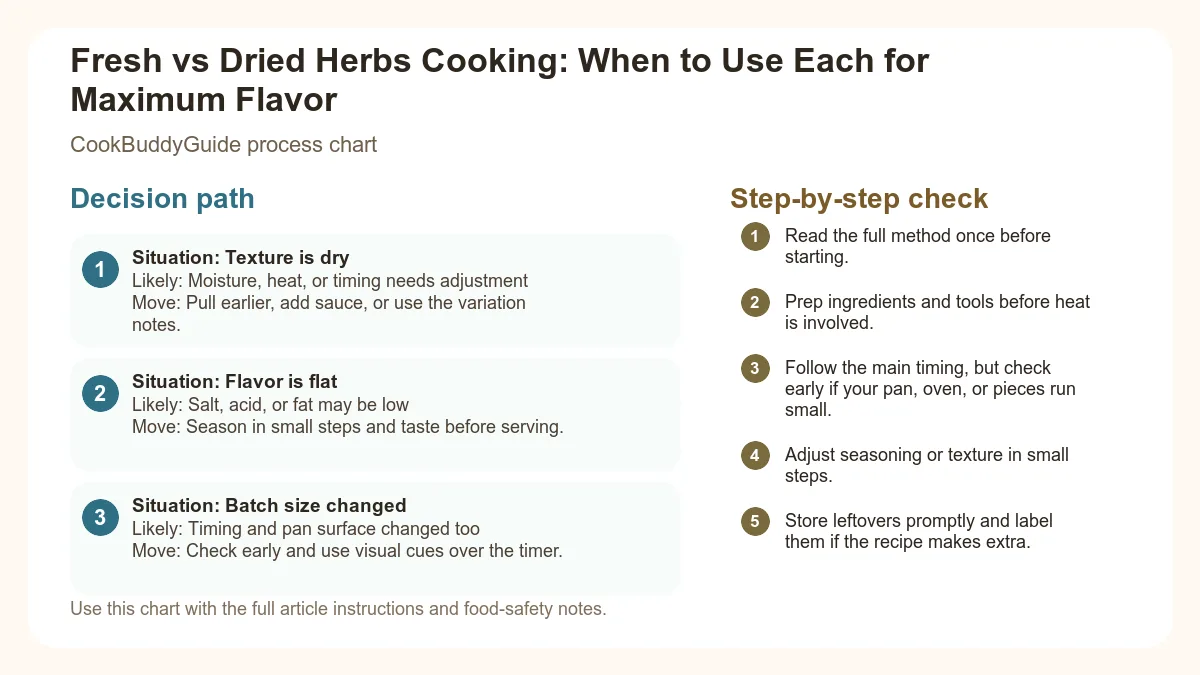
| Situation | Likely cause or meaning | Best move |
|---|---|---|
| Texture is dry | Moisture, heat, or timing needs adjustment | Pull earlier, add sauce, or use the variation notes. |
| Flavor is flat | Salt, acid, or fat may be low | Season in small steps and taste before serving. |
| Batch size changed | Timing and pan surface changed too | Check early and use visual cues over the timer. |
Step-by-step fix
- Read the full method once before starting.
- Prep ingredients and tools before heat is involved.
- Follow the main timing, but check early if your pan, oven, or pieces run small.
- Adjust seasoning or texture in small steps.
- Store leftovers promptly and label them if the recipe makes extra.
Common mistakes
- Changing the recipe before trying the base method once.
- Measuring casually when texture depends on ratios.
- Waiting until the end to fix seasoning.
- Ignoring carryover heat or resting time.
Related topic hubs
Table of Contents
- The Science of Flavor: Volatile Oils and Dehydration
- The Golden Rule: The 1:3 Potency Ratio
- When Dried Herbs Outshine the Fresh Stuff
- When Fresh Herbs are Non-Negotiable
- The Herb-by-Herb Deep Dive
- Pro Storage Tips to Save Money and Flavor
- Common Mistakes and How to Fix Them
- Conclusion: Building Your Intuitive Kitchen
The Science of Flavor: Volatile Oils and Dehydration
To understand fresh vs dried herbs cooking, we have to look at what happens inside the leaf. Fresh herbs are composed mostly of water. Within those cells are volatile oils—the chemical compounds responsible for that "fresh" smell and taste. When herbs are dried, the water is removed, which concentrates these oils. However, the heat and air exposure during drying also cause some of the more delicate, floral compounds to evaporate entirely.
The Golden Rule: The 1:3 Potency Ratio
How to Convert Fresh to Dried (and Vice Versa)
The math is simple but crucial for seasoning your dishes correctly:
- 1 Tablespoon of Fresh Herbs = 1 Teaspoon of Dried Herbs
- 1 Teaspoon of Dried Herbs = 1/3 Teaspoon of Ground (Powdered) Herbs
When Dried Herbs Outshine the Fresh Stuff
Fresh is not always better. Dried herbs work especially well in dishes with longer cooking times, while fresh herbs are often better as a finish. They are also useful in 5-ingredient dinners when fresh herbs are not available.
The Power of Long-Cooked Dishes
In stews, braises, and soups, dried herbs are the MVPs. Because they are dehydrated, they need time and moisture to "re-awaken." The long, slow heat of a Dutch oven allows the volatile oils to seep into the liquid, flavoring the entire dish from the inside out. Fresh herbs, if added at the beginning of a three-hour braise, will lose all their bright notes and often turn bitter or slimy.
The "Bloom" Technique
A Practical Herb-Infused Steak Rub
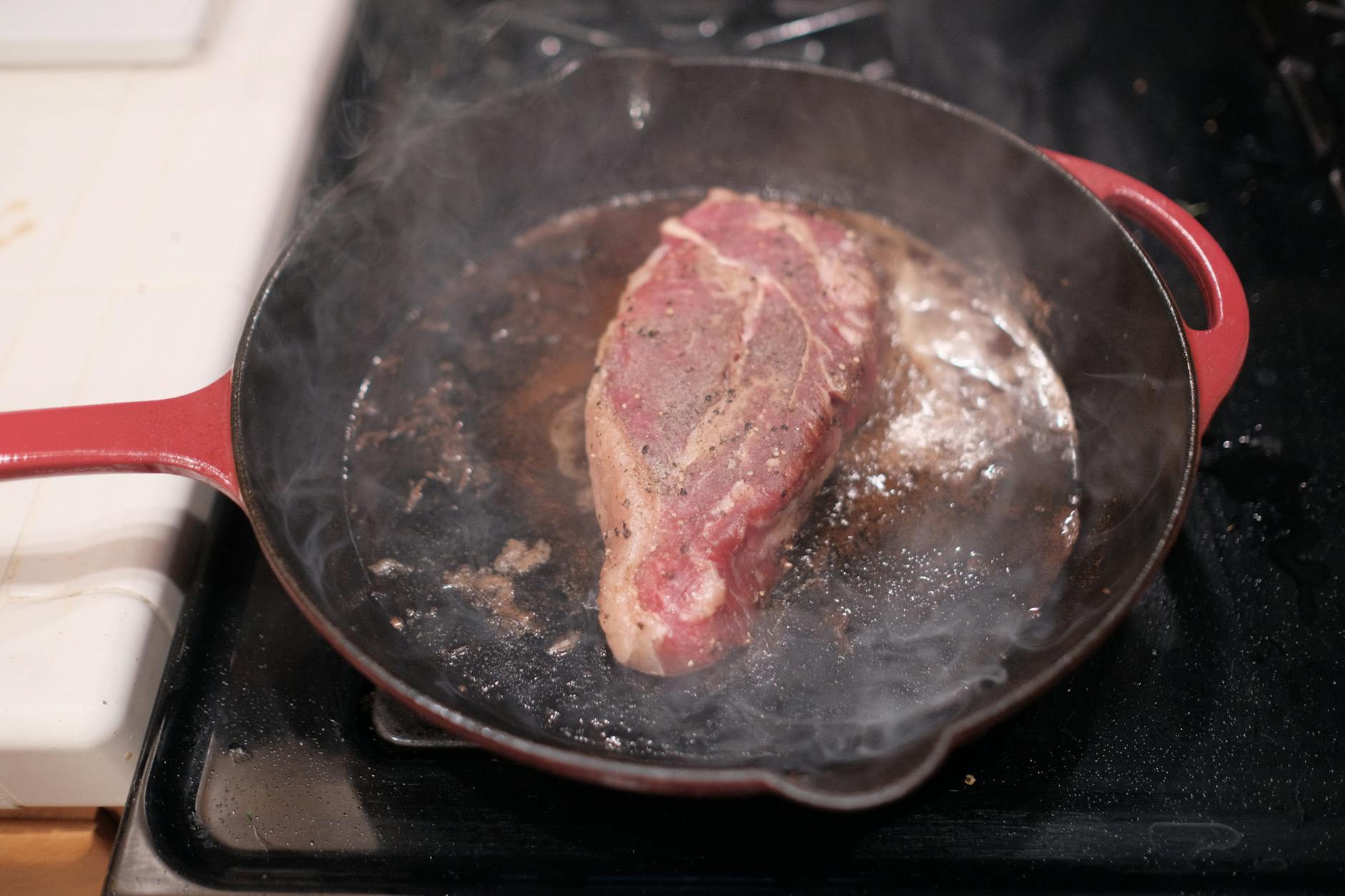
This dry rub utilizes the potency of dried herbs to create a crust that fresh herbs simply cannot achieve. Fresh herbs would burn and turn bitter under the high heat of a grill, but dried herbs caramelize beautifully.
Ingredients:- 2 tbsp Kosher salt
- 1 tbsp Coarsely ground black pepper
- 1 tsp Dried oregano
- 1 tsp Dried thyme
- 1/2 tsp Garlic powder
- 1/2 tsp Onion powder
- Mix all ingredients in a small bowl.
- Pat your steak dry with paper towels (moisture is the enemy of a good sear).
- Rub the mixture generously onto all sides of the meat.
- Let the meat sit for at least 30 minutes before grilling to allow the salt to penetrate and the herbs to adhere.
When Fresh Herbs are Non-Negotiable
While dried herbs are great for the "base" of a dish, fresh herbs provide the "spark." They offer a brightness, a grassy aroma, and a visual pop that dried herbs can never replicate. According to when to use dried herbs vs fresh, the rule of thumb is: if the herb is the star of the show, it must be fresh.
Finishing Touches and Garnishes
Fresh herbs should almost always be added at the very end of cooking—the last 2 to 5 minutes—or used as a raw garnish. This preserves their delicate aromatic compounds. Think of a Margherita pizza: the fresh basil is added after the pizza comes out of the oven so that the residual heat releases the scent without cooking the life out of the leaf.
Salads, Salsas, and Raw Applications
If you are making no-cook summer meals, dried herbs have almost no place. A Tabbouleh made with dried parsley would be inedible. A salsa made with dried cilantro would taste like dust. Fresh herbs provide a structural element and a refreshing crunch that is vital in raw preparations. Furthermore, using herbs as a primary seasoning is a fantastic way to reduce sodium intake, as noted by the flavoring food with herbs and spices guidelines for heart health.
The Herb-by-Herb Deep Dive
Not all herbs behave the same way during the drying process. Here is my definitive guide to the most common herbs found in the average kitchen.
Basil: The King of Freshness
Rosemary and Thyme: The Versatile Woody Pair
These are the exceptions where dried is often just as good as fresh. Because they are woody herbs, they retain their oils well. When using fresh rosemary, consider stripping the leaves from the woody stem and chopping them very finely, as they can be tough. When using dried, A useful option is to crush them between my palms to release the oils before adding them to the pot.
Oregano: The Dried Powerhouse
In many cases—especially in Greek and Mexican cuisines—dried oregano is actually preferred over fresh. Fresh oregano can be surprisingly pungent and slightly fuzzy in texture. The dried version is more mellow and integrates better into sauces. If you’re making a classic New York-style pizza sauce, dried oregano is the only way to go.
Cilantro and Parsley: The Fresh Essentials
Dried cilantro is, quite frankly, a waste of money. The chemical that gives cilantro its characteristic "soapy" or "citrus" flavor (depending on your genetics!) is highly volatile and disappears during dehydration. Parsley is similar; while dried parsley adds green flecks to a dish, it adds almost zero flavor. Always buy these fresh.
10-Minute Fresh Herb Chimichurri
This is the perfect example of a dish where fresh herbs are mandatory. This sauce relies on the vibrant, grassy notes of fresh parsley and oregano to cut through the richness of grilled meats.
Ingredients:- 1 cup firmly packed fresh flat-leaf parsley (stems are okay!)
- 3-4 cloves garlic, minced
- 2 tbsp fresh oregano leaves (or 2 tsp dried if you must)
- 1/2 cup olive oil
- 2 tbsp red wine vinegar
- 1/2 tsp sea salt
- 1/4 tsp red pepper flakes
- Finely chop the parsley and oregano by hand (using a food processor can turn it into a paste, which we want to avoid).
- Place the herbs in a small bowl and add the minced garlic.
- Whisk in the olive oil, vinegar, salt, and red pepper flakes.
- Let the sauce sit at room temperature for at least 20 minutes before serving to allow the flavors to meld.
Pro Storage Tips to Save Money and Flavor
One of the biggest hurdles in fresh vs dried herbs cooking is the shelf life. We’ve all bought a bunch of cilantro for one recipe, only to throw 90% of it away a week later. Here is how I manage my herb inventory.
Keeping Fresh Herbs Alive for Weeks
Treat tender herbs like a bouquet of flowers. For cilantro and parsley, trim the bottom of the stems and place them in a glass with an inch of water. Cover the top loosely with a plastic bag and store them in the fridge. This "Bouquet Method" can keep herbs fresh for up to three weeks. For woody herbs like rosemary, wrap them in a damp paper towel and place them in a reusable silicone bag in the crisper drawer. For more evidence-based tips, check out the best way to store fresh herbs.
The Shelf Life of Your Spice Rack
Dried herbs do not "go bad" in the sense that they will make you sick, but they do lose their potency. Most dried herbs have a shelf life of about 6 to 12 months. If your dried oregano looks grey rather than green, or if you can't smell it when you open the jar, it's time to toss it. Store your spices in a cool, dark place—never above the stove, as the heat and steam will destroy the volatile oils rapidly.
Common Mistakes and How to Fix Them
The "Dusty Herb" Syndrome
This happens when you add dried herbs at the very end of a dish. They don't have time to rehydrate, leaving you with a gritty, "dusty" texture and no flavor. The Fix: If you forgot to add your dried herbs at the start, sauté them in a tiny bit of oil in a separate pan for 30 seconds, then stir that infused oil into your dish.
Adding Fresh Herbs Too Early
If you add fresh basil to a simmering tomato sauce at the beginning, it will turn brown and lose its sweetness. The Fix: Always save half of your fresh herbs for the very end. If you've already "overcooked" your herbs, stir in a handful of fresh ones right before serving to revive the flavor.
Overpowering with Dried Rosemary
Dried rosemary is incredibly potent and can easily make a dish taste like a pine tree. The Fix: If you've over-herbed a stew, you can try to balance it out by adding more "base" ingredients (more stock or tomatoes) or a splash of acid (lemon juice or vinegar) to brighten the flavor and distract from the heavy rosemary notes.
Frequently Asked Questions
A: Yes! A bouquet garni traditionally uses fresh sprigs tied together, but you can create a "sachet" using cheesecloth filled with dried herbs. This allows the flavor to infuse into a soup or stock without leaving behind the gritty texture of dried leaves.
A: Absolutely. Even a small windowsill herb garden with basil, mint, and chives can save you $10-15 a month and ensures you always have the "bright" notes available for finishing your meals.
A: Chop the herbs and place them in an ice cube tray. Fill the remaining space with olive oil and freeze. Once frozen, pop the cubes into a freezer bag. You can drop these "flavor bombs" directly into a hot pan when starting a meal.
Conclusion: Building Your Intuitive Kitchen
Understanding fresh vs dried herbs cooking is about more than just following a conversion chart; it’s about understanding the intention of your dish. Are you building a deep, complex foundation of flavor in a slow-cooked ragu? Reach for the dried oregano and thyme at the beginning. Are you looking to add a burst of summer sunshine to a grilled piece of fish? Finish with a handful of fresh basil and parsley.
What is your favorite herb substitution success story? Or did you once accidentally turn a soup into a pine forest with too much rosemary? Share your experiences in the comments below—we’re all learning together at CookBuddyGuide!