Quick Answer
Master slow cooker pulled pork in this guide. It also explains to make easy tender slow cooker pulled pork that melts in your mouth. Perfect for meal prep and crowds!
Practical note
For A Practical Slow Cooker Pulled Pork, this guide centers on 1/4 cup Brown Sugar, 1 tbsp Kosher Salt, 1 tbsp Smoked Paprika. Those are the checkpoints we would use first in a normal home kitchen before making a bigger change.
Decision table
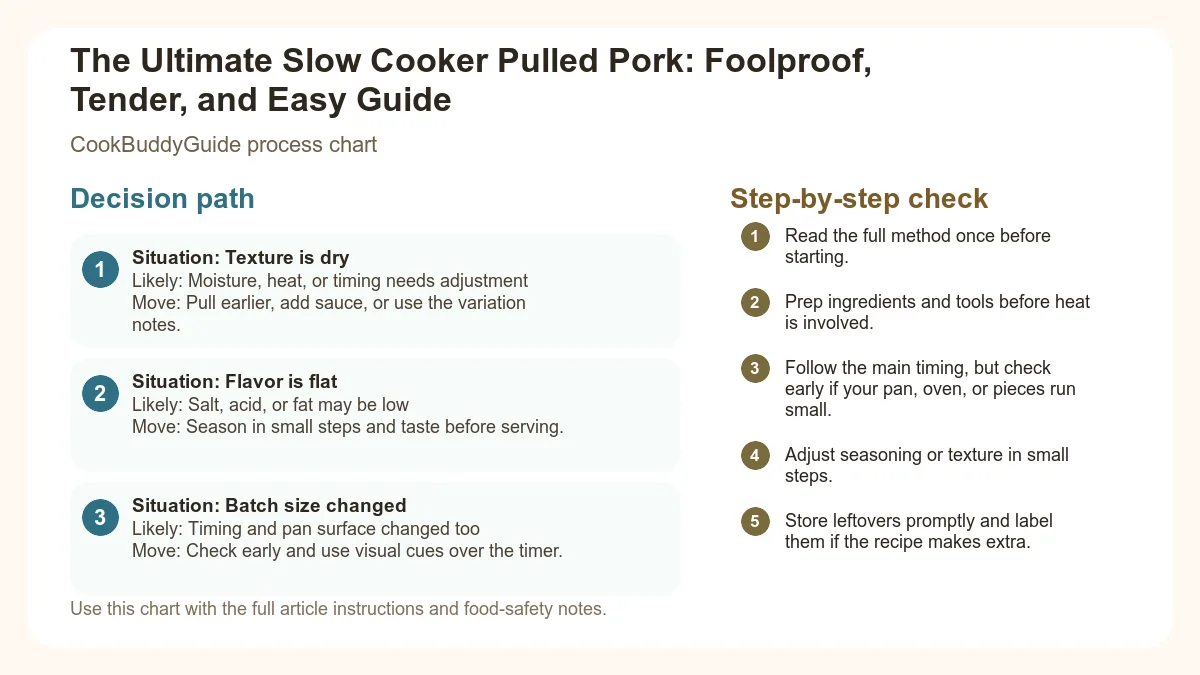
| Situation | Likely cause or meaning | Best move |
|---|---|---|
| Texture is dry | Moisture, heat, or timing needs adjustment | Pull earlier, add sauce, or use the variation notes. |
| Flavor is flat | Salt, acid, or fat may be low | Season in small steps and taste before serving. |
| Batch size changed | Timing and pan surface changed too | Check early and use visual cues over the timer. |
Step-by-step fix
- Read the full method once before starting.
- Prep ingredients and tools before heat is involved.
- Follow the main timing, but check early if your pan, oven, or pieces run small.
- Adjust seasoning or texture in small steps.
- Store leftovers promptly and label them if the recipe makes extra.
Common mistakes
- Changing the recipe before trying the base method once.
- Measuring casually when texture depends on ratios.
- Waiting until the end to fix seasoning.
- Ignoring carryover heat or resting time.
Related topic hubs
Table of Contents
- Why This is the Only Slow Cooker Pulled Pork Recipe You Need
- Choosing the Right Cut: Pork Shoulder vs. Pork Butt
- A Practical Dry Rub Formula
- The Great Liquid Debate: To Add or Not to Add?
- Cooking Times: Low vs. High
- The Art of Shredding and Finishing
- Sauce Options: From Scratch to Store-Bought
- Versatile Serving Ideas for the Whole Week
- Storage, Freezing, and Reheating Tips
- Common Mistakes and Troubleshooting
Why This is the Only Slow Cooker Pulled Pork Recipe You Need
The Science of Low and Slow
The secret to that melt-in-your-mouth texture isn't just time; it's the biological breakdown of the animal. Pork shoulder is packed with collagen. Unlike the muscle fibers in a pork chop, which toughen when heated, collagen requires a long, moist environment to break down tough connective tissue into gelatin. This gelatin coats the muscle fibers, giving the meat that succulent, "fatty" mouthfeel even if the meat itself is lean. This is why the low and slow method is non-negotiable for a superior pork roast.
practical method notes: Our Practical notes
Choosing the Right Cut: Pork Shoulder vs. Pork Butt
What is Boston Butt?
Despite the name, the "butt" does not come from the rear of the pig. It is actually the upper part of the front shoulder. It is the gold standard for shredded pork because it has a uniform shape and an incredible amount of intramuscular fat, or marbling. When you look at pork butt versus pork shoulder, the butt is generally more rectangular and has a better fat-to-meat ratio for the slow cooker.
Why Fat Content Matters
Bone-in vs. Boneless
If you have the choice, go bone-in. The bone acts as a heat conductor, helping the center of the roast cook more evenly. Plus, there is a certain satisfaction in pulling a perfectly clean bone out of a finished roast—it’s the ultimate sign that your pork is fork-tender. However, if you find a great deal on boneless, it works perfectly fine; just ensure you tie it with kitchen twine if it’s falling apart before it even hits the pot.
A Practical Dry Rub Formula
Most people make the mistake of just dumping a bottle of barbecue sauce over raw meat. This is a missed opportunity for flavor. A dry rub creates a foundation. It seasons the meat deeply and helps initiate the Maillard reaction—that chemical reaction between amino acids and reducing sugars that gives browned food its distinctive flavor.
The CookBuddy Signature Pork Rub
This rub is designed to balance sweetness, salt, and a hint of smoke. Consider making a double batch and keeping it in a mason jar for future meal prep ideas.
- 1/4 cup Brown Sugar: For caramelization and sweetness.
- 1 tbsp Kosher Salt: Crucial for drawing out moisture and seasoning the interior.
- 1 tbsp Smoked Paprika: This provides that "cheater's" smoke flavor without a smoker.
- 1 tsp Black Pepper: For a subtle bite.
- 1 tsp Garlic Powder & 1 tsp Onion Powder: For savory depth.
- 1/2 tsp Cumin: Adds an earthy, "BBQ" undertone.
- 1/4 tsp Cayenne Pepper: Optional, for a tiny kick of heat.
Pro Tip: Apply the rub at least 30 minutes before the pork goes into the slow cooker. I’ve even done this 24 hours in advance, wrapping the pork in plastic wrap. This "dry brine" allows the salt to penetrate the protein fibers, resulting in a much more seasoned final product.
The Great Liquid Debate: To Add or Not to Add?
Why Pork Creates Its Own Liquid
Best Liquid Additions for Flavor
- Apple Cider Vinegar: This is my "secret weapon." The acidity cuts through the heavy fat of the pork and helps tenderize the meat.
- Apple Juice or Cider: Adds a natural fruitiness that pairs perfectly with pork.
- Root Beer or Dr. Pepper: The sugars and vanilla notes in these sodas create a complex, sweet glaze. (Note: Use the "real sugar" versions if possible).
- Chicken Broth: A safe, neutral option if you want to keep the flavor profile strictly savory.
Cooking Times: Low vs. High
The Case for the 'Low' Setting
Cooking at a lower temperature (usually around 190°F to 200°F in a slow cooker) gives the collagen more time to melt. When you cook on "High," the muscle fibers can seize up before the collagen has a chance to liquefy, leading to meat that is technically "done" but still tough to chew. Aim for 8 to 10 hours on Low for a standard 5-lb roast.
How to Tell When It's Done
Don't just go by the clock. Every slow cooker runs at a slightly different temperature. Use a digital meat thermometer. For slow cooker pulled pork, you aren't looking for the standard "safe" temp of 145°F. You are looking for an internal temperature of 202°F to 205°F. This is the "sweet spot" where the meat will practically shred itself.
Always follow slow cooker food safety guidelines. Never put frozen meat directly into a slow cooker, as it spends too much time in the "danger zone" (40°F - 140°F) where bacteria thrive. Always thaw your pork completely in the refrigerator before starting.
The Art of Shredding and Finishing
The Resting Period
Once the pork reaches 202°F, turn off the slow cooker and let the meat sit in the juices for at least 20-30 minutes before touching it. This allows the fibers to relax and reabsorb some of those cooking juices. If you shred it while it’s piping hot, all the steam (moisture) escapes, leaving the meat dry.
The Shredding Method
- The Two-Fork Method: The classic way. Simply use two large dinner forks to pull the meat apart into bite-sized chunks.
- The Stand Mixer Hack: If you are doing a massive batch for a party, put the warm (not hot!) chunks of pork into your stand mixer with the paddle attachment. Turn it on "Low" for 30 seconds. It will perfectly shred the pork in a fraction of the time. Just be careful not to over-process it into mush.
The Secret Step: Reducing the Cooking Juices
Don't throw away that liquid! I pour the juices into a fat separator or a glass jar. Let the fat rise to the top and skim it off. Take the remaining concentrated "pork gold" and pour about half a cup back over your shredded pork. This ensures every bite is seasoned and moist.
Sauce Options: From Scratch to Store-Bought
While the meat should be flavorful enough to eat plain, a good barbecue sauce is the proverbial cherry on top. Consider saucing the meat *after* it has been shredded and moistened with the cooking juices. If you sauce it too early, the sugars in the sauce can burn or become overly cloying.
CookBuddy’s 5-Ingredient Honey-Bourbon BBQ Sauce
This is a quick, "no-cook" sauce that elevates any slow cooker pulled pork.
- 1 cup Ketchup
- 1/4 cup Honey
- 2 tbsp Apple Cider Vinegar
- 1 tbsp Bourbon (or 1 tsp vanilla extract for a non-alcoholic depth)
- 1 tsp Smoked Paprika
Whisk everything together in a bowl. If you prefer a warm sauce, simmer it on the stove for 5 minutes to thicken. For a Carolina-style variation, double the vinegar and add a tablespoon of yellow mustard.
Versatile Serving Ideas for the Whole Week
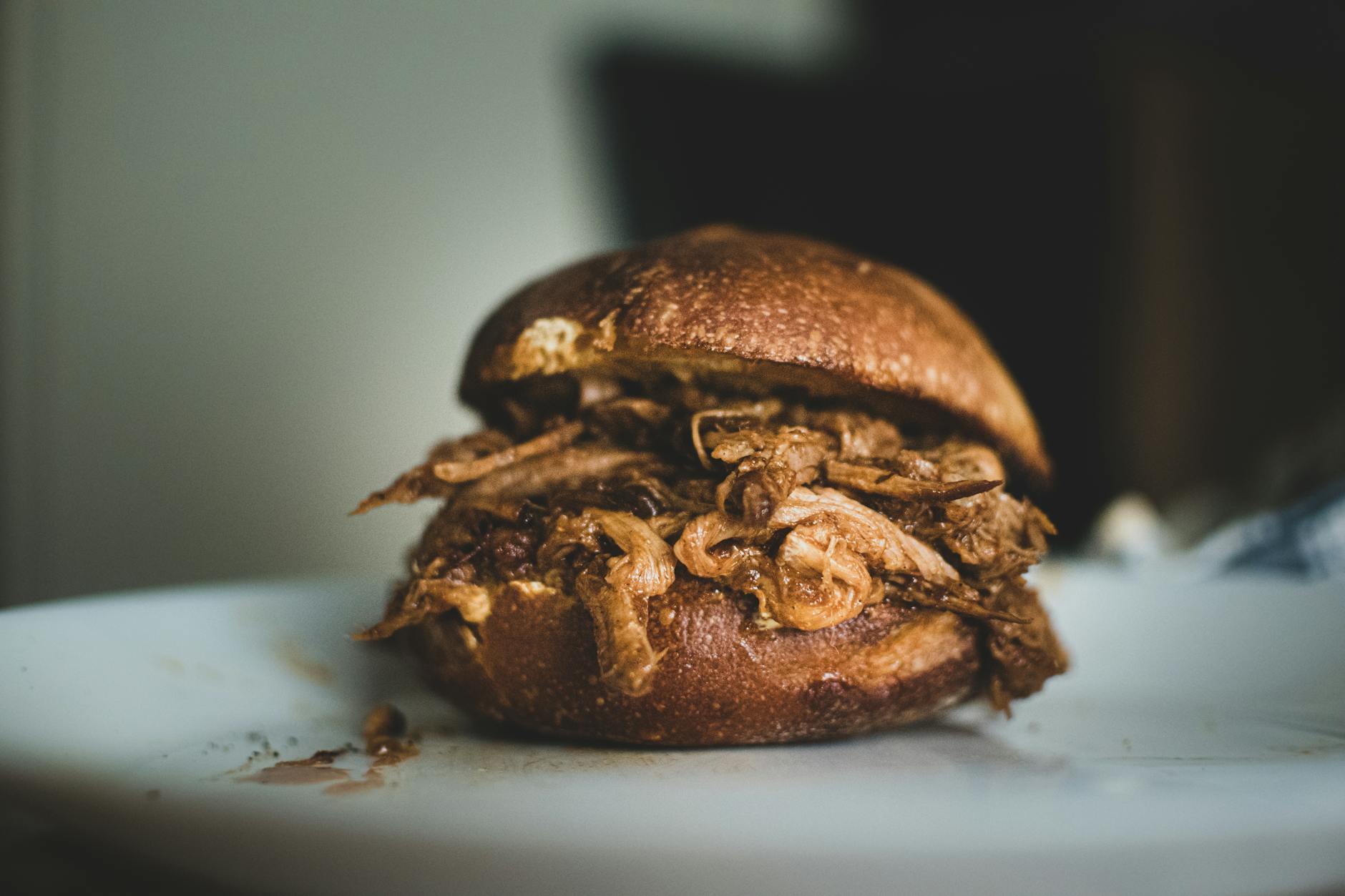
- Classic Brioche Sliders: Pile the pork on toasted brioche buns, top with a heap of crunchy coleslaw, and add a few pickles. The contrast between the warm, soft meat and the cold, crunchy slaw is perfection.
- Street-Style Pork Tacos: Forget the BBQ sauce. Season the shredded pork with a little lime juice and cilantro. Serve in charred corn tortillas with pickled red onions and a crumble of cotija cheese.
- Pulled Pork Grain Bowls: For a healthier lunch, serve the pork over quinoa or brown rice with roasted sweet potatoes, black beans, and a drizzle of avocado crema.
- Loaded BBQ Nachos: This is my Friday night go-to. Layer tortilla chips with cheese, pulled pork, jalapeños, and red onions. Broil until bubbly and top with a swirl of BBQ sauce and sour cream.
If you love the idea of having meat ready to go, check out our guide on Crockpot Freezer Meals for more "dump and go" inspiration.
Storage, Freezing, and Reheating Tips
Pulled pork is one of those rare foods that actually tastes better the next day. The flavors have more time to meld, and the meat continues to absorb any sauce or juices it’s sitting in.
How to Store and Freeze
According to storing and freezing cooked pork guidelines, you can keep your pulled pork in an airtight container in the refrigerator for up to 4 days. If you won't finish it by then, freeze it!
The Best Way to Reheat
Microwaving can make pork rubbery. Instead, reheat it in a skillet over medium heat with a splash of apple juice or chicken broth to restore the moisture. If you are reheating a large batch, put it in a baking dish, cover tightly with foil, and bake at 325°F for 20 minutes.
Common Mistakes and Troubleshooting
In 90% of cases, tough pulled pork is actually undercooked. People often think that if it's tough, they cooked it too long, but with pork shoulder, it's the opposite. If the meat isn't shredding easily, it likely hasn't reached that 202°F mark where the connective tissue melts. Put the lid back on and give it another hour.
This usually happens if you cook it for 12+ hours on Low or if you used too much liquid. Once the meat reaches the target temperature, it starts to lose its structure. Also, avoid using the "Warm" setting for more than 2 hours, as it can continue to break down the fibers into a paste-like consistency.
Yes, it's safe, but the texture won't be as "silky." If you find yourself constantly in a rush, you might want to look into Instant Pot Recipes for Beginners, which can achieve similar results in about 90 minutes using pressure cooking.
Conclusion
Mastering slow cooker pulled pork is a rite of passage for any home cook. It’s the ultimate "low effort, high reward" meal that feeds a crowd and makes your house smell incredible. By choosing the right cut (Boston Butt), being patient with the "Low" setting, and not drowning the meat in liquid, you are guaranteed a result that rivals your favorite BBQ joint. Remember to save those juices, let the meat rest, and don't be afraid to get creative with your leftovers. Happy cooking!