Quick Answer
Cheese lasts 1 week for soft types and 3 to 4 weeks for opened hard blocks. It also explains safe fridge storage, mold rules, wrapping, freezing, and toss signs.
Related topic hubs
Quick answer
Soft cheese usually lasts about 1 week in the fridge, cream cheese about 2 weeks, and opened hard block cheese 3 to 4 weeks. USDA FSIS lists those approximate cheese storage times and recommends keeping refrigerated foods at 40°F or below.
Use the package date when it is shorter, especially for fresh mozzarella, ricotta, cottage cheese, queso fresco, shredded cheese, and sliced cheese. If the cheese has mold where it should not, smells sharply sour or ammonia-like, feels slimy, or sat warm too long, do not stretch the timeline.
| Cheese type | Fridge time after opening | Best move |
|---|---|---|
| Hard block cheese, such as cheddar, Swiss, Colby, Parmesan | 3 to 4 weeks | Wrap in parchment or cheese paper, then place in a loose bag or container. |
| Unopened hard cheese | Up to 6 months, or package date | Keep sealed and cold. Use the printed date if it is more cautious. |
| Shredded hard cheese | About 1 month | Press out extra air, keep dry, and discard if any mold appears. |
| Soft cheese, such as cottage, goat, ricotta, Brie, fresh mozzarella | About 1 week | Keep tightly covered and use clean utensils. Do not trim mold from soft cheese. |
| Cream cheese | About 2 weeks | Keep the tub or foil block sealed. Discard if watery, sour, moldy, or slimy. |
| Cooked dishes with cheese, such as mac and cheese or lasagna | 3 to 4 days | Follow the leftover rule, not the hard-cheese rule. |
Quick navigation
How long does cheese last by type?
Cheese storage depends mostly on moisture, surface area, and handling. USDA FSIS says hard block cheese lasts 6 months unopened and 3 to 4 weeks after opening, shredded hard cheese lasts about 1 month, soft cheese lasts about 1 week, and cream cheese lasts about 2 weeks.
That is the practical baseline. A dry block of cheddar is more forgiving than a spooned tub of ricotta because it has less moisture and less exposed surface. A bag of shredded cheese has more surface area and more handling, so one moldy shred is enough reason to discard the bag.
Hard and semi-hard cheese
Cheddar, Colby, Swiss, Gouda, Parmesan, Romano, and provolone are the cheeses most likely to survive a few weeks after opening. Keep them wrapped, dated, and away from raw meat juices. If the cheese dries at the cut edge, trim the dry part for quality before using the rest.
Hard cheese may still be safe when it develops one small mold spot, but only if it is a true hard block and the mold is not part of a bigger spoilage pattern. The mold section below explains the USDA trimming rule.
Soft, fresh, sliced, and shredded cheese
Soft cheese should be treated as short-life dairy. Use opened cottage cheese, ricotta, fresh goat cheese, Brie, Camembert, fresh mozzarella, queso blanco, and queso fresco within about 1 week unless the label says sooner. For a focused dairy guide, see how long cream cheese lasts.
Sliced, crumbled, and shredded cheese also need more caution than a solid block. The extra cutting and handling can spread spores or bacteria across many surfaces. Once you see mold in a shredded or sliced package, the safe move is to discard it.
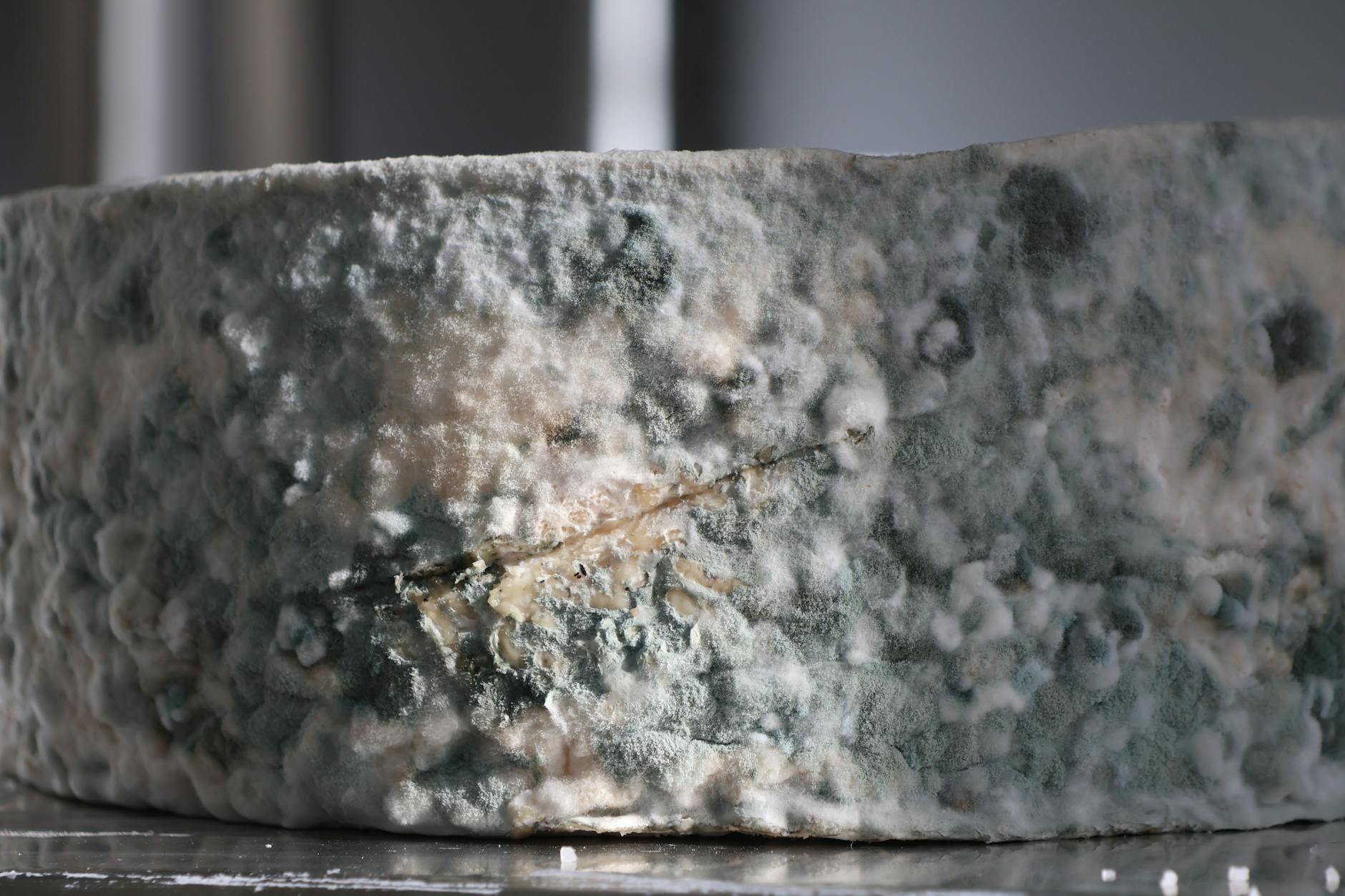
Can you cut mold off cheese?
USDA FSIS gives different advice for hard and soft cheese. For hard cheese where mold is not part of the cheese-making process, you can cut off at least 1 inch around and below a small mold spot, keeping the knife out of the mold. For soft cheese, shredded cheese, sliced cheese, and crumbled cheese, discard the whole item.
Do not sniff a moldy cheese closely. USDA notes that mold can cause respiratory problems, and moldy foods may also have bacteria growing with the mold. Wrap the spoiled portion, clean the spot where it sat, and check nearby foods.
What about blue cheese, Brie, and Camembert?
Some molds are intentional in cheeses such as blue cheese, Roquefort, Gorgonzola, Stilton, Brie, and Camembert. The important question is whether the mold belongs there. If a soft mold-ripened cheese grows new mold that is not part of its normal rind, discard it.
For a deeper decision tree, use our guide to whether you can eat moldy cheese. This page is focused on fridge timing, but mold rules often decide the final answer.
Discard without tasting if cheese is slimy, leaking, fizzy, bitter, sharply sour, ammonia-heavy, covered in unexpected mold, or stored with an unknown warm period.
How to store cheese so it lasts longer
Store cheese at 40°F or below, and do not crowd the refrigerator so tightly that cold air cannot circulate. FDA food-storage guidance recommends appliance thermometers because the dial setting does not always match the actual temperature.
- Date the package the day you open it.
- Use clean hands, clean knives, and clean cutting boards.
- Wrap hard cheese in parchment, wax paper, or cheese paper.
- Place wrapped hard cheese in a loose bag or container to limit drying.
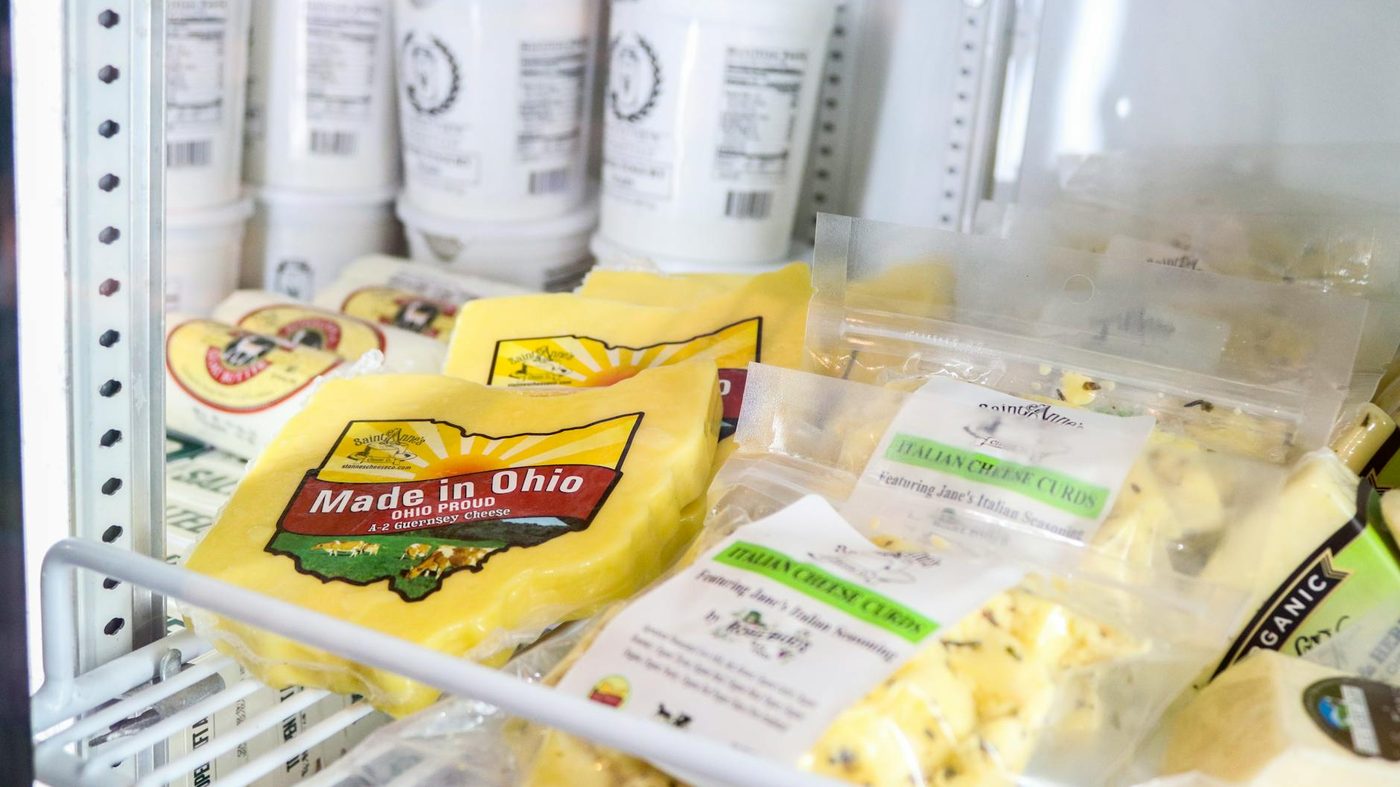
- Keep soft cheese in its original sealed tub, brine, or tight container.
- Store cheese on a refrigerator shelf or cheese drawer, not in a warm door bin.
- Do not mix old shredded cheese into a fresh bag.
For hard cheese, the goal is to prevent both drying and trapped moisture. Tight plastic can make the surface sweat, while no cover at all dries the cut face. For soft cheese, the goal is a clean sealed container and short timeline.
How long can cheese sit out?
For perishable foods, FDA guidance says not to leave refrigerated foods at room temperature for more than 2 hours, or more than 1 hour when the air temperature is above 90°F. That rule is especially important for soft cheese, shredded cheese, sliced cheese, fresh cheese, and cheese-based dips.
USDA emergency guidance treats hard cheeses such as cheddar, Colby, Swiss, Parmesan, provolone, and Romano differently during a power outage, but a party board is not a reason to ignore time and temperature. If the cheese was warm for hours and you are unsure, use the more cautious answer.
| Situation | What to do |
|---|---|
| Soft cheese sat out more than 2 hours | Discard it. |
| Shredded or sliced cheese sat warm for hours | Discard it, especially if it was touched repeatedly. |
| Hard block cheese sat out briefly on a cheese board | Rewrap, refrigerate, and use soon if it stayed clean and looks normal. |
| Any cheese sat out overnight | Discard soft, shredded, sliced, and fresh cheese. Be very cautious with hard cheese. |
Can you freeze cheese before it goes bad?
Freeze cheese while it is still fresh, cold, and free of spoilage signs. USDA FSIS says ricotta, cottage, and cream cheeses do not freeze well, while other cheeses may be frozen for about 6 months. UC Master Food Preserver guidance also notes that hard and semi-hard cheeses freeze best but may become crumbly or mealy.
Freeze blocks in smaller pieces, wrap tightly, then place them in freezer bags with the air pressed out. Shredded cheese can be frozen in recipe-size portions. Thaw cheese in the refrigerator, then use it in cooked dishes where texture matters less, such as casseroles, sauces, soups, quesadillas, and mac and cheese.
For more detail, use our full cheese freezing guide and our broader guide to freezing leftover food.
What about cooked dishes with cheese?
Cooked cheese dishes follow leftover rules, not block-cheese rules. FoodSafety.gov lists cooked leftovers such as casseroles and pizza at 3 to 4 days in the refrigerator. That means lasagna, macaroni and cheese, queso dip, cheesy pasta, and cheese-filled casseroles should usually be eaten within 3 to 4 days.
Cool cooked dishes in shallow containers, cover them, and reheat only the portion you need. If your main concern is dairy dip or cream-based leftovers, compare this with how long sour cream lasts and our guide to making food last longer in the fridge.
Common cheese storage mistakes
Most cheese waste comes from moisture, dirty utensils, loose dating, and using the wrong rule for the type of cheese. The fix is not complicated, but it has to happen the day you open the package.
- Saving moldy shredded cheese because only one corner looks bad.
- Wrapping hard cheese so tightly in plastic that moisture collects.
- Using the hard-cheese timeline for ricotta, cottage cheese, or fresh mozzarella.
- Putting a cheese board back in the fridge after hours at room temperature.
- Counting from the date you noticed the cheese, not the date you opened it.
- Freezing cheese after it already smells sour or shows mold.
FAQ
Can you eat cheese after the fridge timeline?
Only if the cheese still looks, smells, and feels normal and it stayed refrigerated. Use the shorter timeline for soft, shredded, sliced, or opened cheese when the date or temperature history is unclear.
Can you cut mold off cheese?
USDA FSIS mold guidance says small mold spots can be cut from hard cheese by removing at least 1 inch around and below the spot. Discard soft, shredded, sliced, or crumbled cheese with mold.
How long can cheese sit out?
Perishable cheese should not sit at room temperature for more than 2 hours, or 1 hour above 90°F. Soft cheese and shredded cheese should be discarded after unsafe warm holding.
Can you freeze cheese before it goes bad?
Yes. Freeze cheese while it is still fresh and cold. Hard and shredded cheeses freeze best, while ricotta, cottage cheese, and cream cheese usually become grainy or watery.
Sources used
CookBuddyGuide checks food-storage guidance against public food-safety references and university extension resources when a post gives discard or storage advice.
- USDA FSIS: Does all cheese need to be refrigerated?
- USDA FSIS: Molds on Food, Are They Dangerous?
- FDA: Are You Storing Food Safely?
- FoodSafety.gov cold food storage chart
- UC Master Food Preservers: Can cheese be frozen?
- Oregon State University Extension cheese safety Q&A
Helpful tools for storing cheese
- Cheese paper or parchment paper for wrapping firm blocks without trapping excess moisture
- Airtight containers for opened soft, sliced, shredded, or crumbled cheese
- Removable date labels so the opening date stays visible
- Refrigerator thermometer to confirm the fridge stays at 40°F or below