Quick Answer
Master easy quesadilla recipes in this guide to 10 creative quesadilla filling ideas. It also explains the secret to crispy tortillas and the best dipping sauces today!
Practical note
For 10 Easy Quesadilla Recipes, this guide centers on The Crunch, The Glue, The Heart. Those are the checkpoints we would use first in a normal home kitchen before making a bigger change.
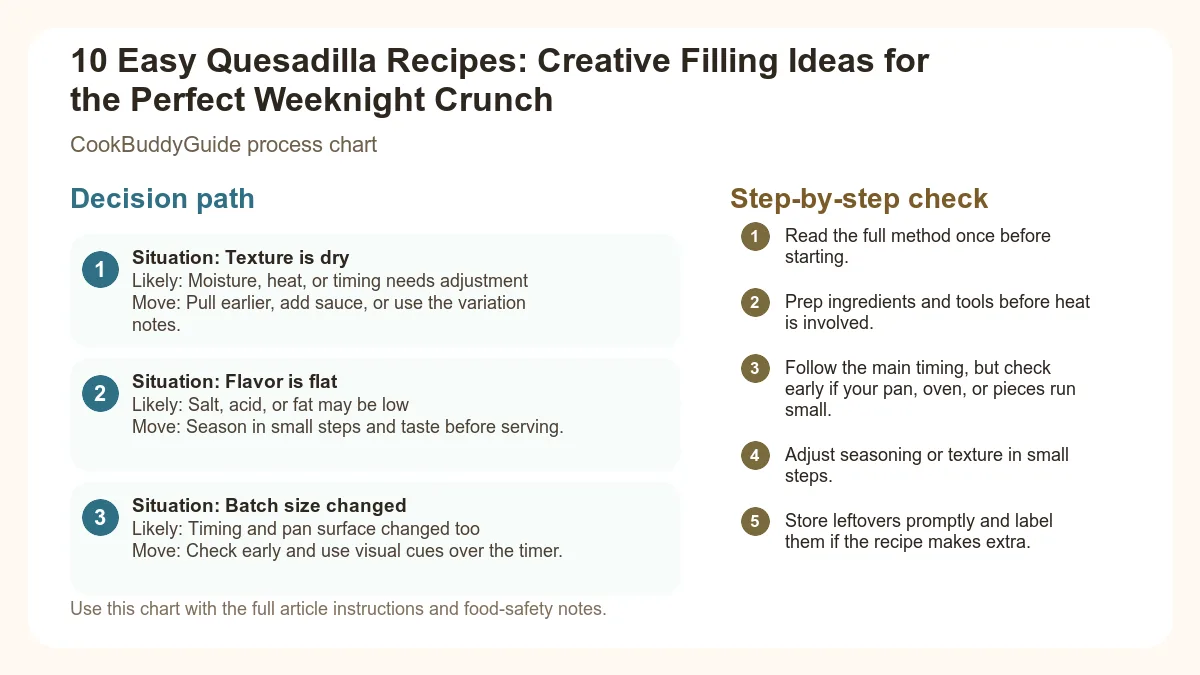
Decision table
| Situation | Likely cause or meaning | Best move |
|---|---|---|
| Texture is dry | Moisture, heat, or timing needs adjustment | Pull earlier, add sauce, or use the variation notes. |
| Flavor is flat | Salt, acid, or fat may be low | Season in small steps and taste before serving. |
| Batch size changed | Timing and pan surface changed too | Check early and use visual cues over the timer. |
Step-by-step fix
- Read the full method once before starting.
- Prep ingredients and tools before heat is involved.
- Follow the main timing, but check early if your pan, oven, or pieces run small.
- Adjust seasoning or texture in small steps.
- Store leftovers promptly and label them if the recipe makes extra.
Common mistakes
- Changing the recipe before trying the base method once.
- Measuring casually when texture depends on ratios.
- Waiting until the end to fix seasoning.
- Ignoring carryover heat or resting time.
Related topic hubs
Why Quesadillas are the Ultimate Weeknight Solution
The Anatomy of a Perfect Quesadilla
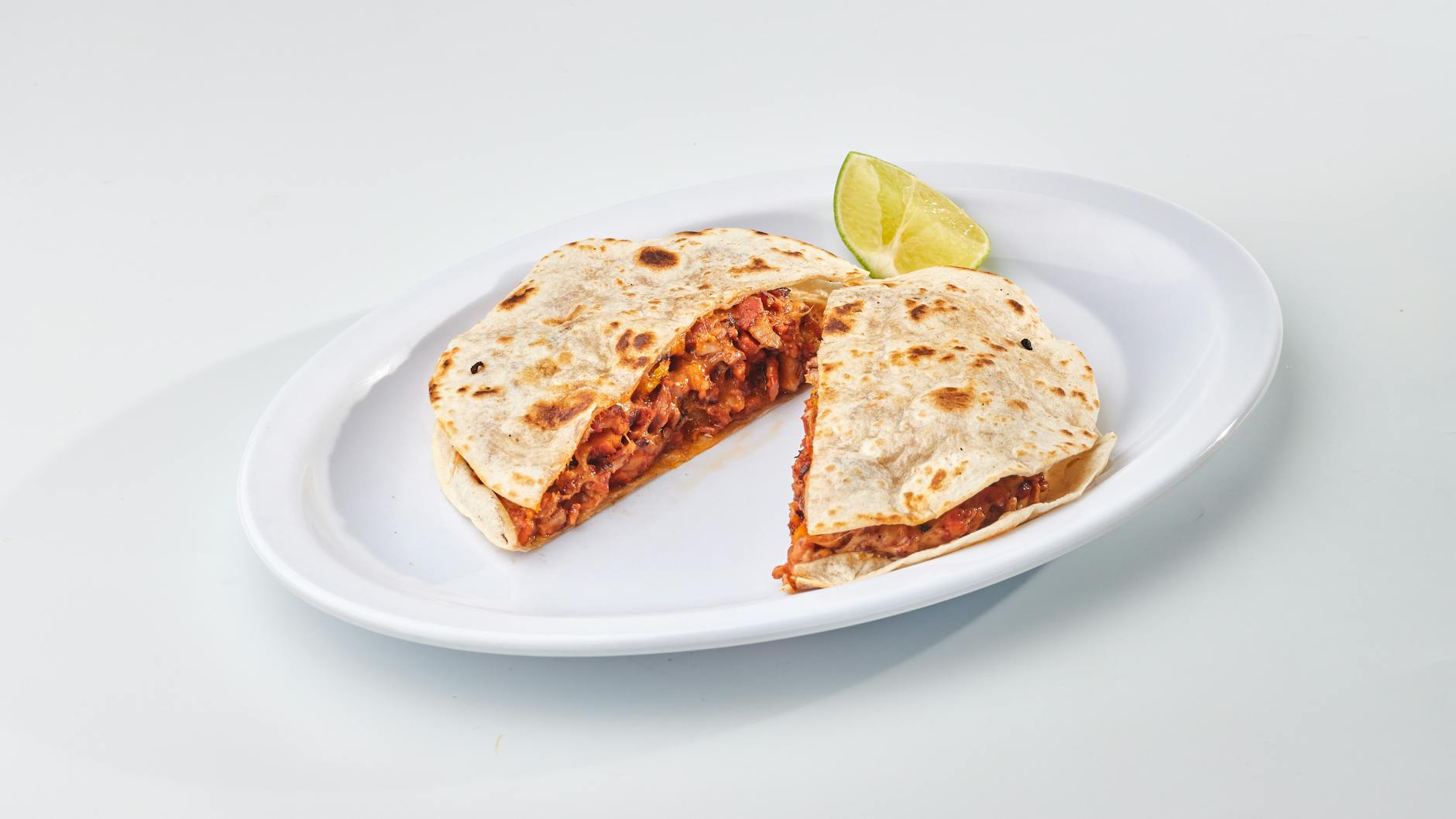
A truly great quesadilla requires three distinct layers: the "Crunch," the "Glue," and the "Heart."
- The Crunch: This is the exterior. Whether you prefer the soft chew of a large flour tortilla or the earthy snap of corn, the exterior must be toasted until golden brown.
- The Heart: This is your filling. This is where we balance proteins, fats, and fiber. By adding beans, lean meats, or sautéed vegetables, you turn a snack into a complete comfort food meal.
Why Variety Matters Beyond Plain Cheese
The Secret to Achieving Crispy Golden Tortillas (Without Burning)
Choosing the Right Fat: Butter vs. Oil
Temperature Control: The "Low and Slow" Myth
Many people think cooking "low and slow" is the key to melting cheese. This is a mistake. Low heat dries out the tortilla before the cheese can melt, resulting in a leathery texture. Conversely, high heat burns the outside while the inside remains cold. The "sweet spot" is medium heat. This allows the heat to penetrate through the layers of the tortilla to the cheese at the exact same rate the exterior is browning. For a scientific breakdown of this process, check out this guide on achieving the perfect crispy tortilla.
The Skillet Factor: Why Cast Iron Reigns Supreme
If you own a Cast Iron Skillet, use it. Cast iron has high thermal mass, meaning it holds heat better than stainless steel or non-stick pans. This leads to more even browning and a superior "crunch." If you are feeding a large family, you might consider sheet pan quesadillas, which allow you to cook 4-6 large quesadillas at once in the oven at 425°F, though you'll sacrifice a bit of that direct-contact sear you get from a skillet.
10 Creative Quesadilla Filling Ideas to Level Up Your Dinner
1. Classic Chicken and Black Bean
- Filling: 1 cup shredded chicken, 1/2 cup rinsed black beans, 1/2 tsp cumin, 1 cup Monterey Jack.
- Practical note: If you have more chicken left over, check out these other leftover rotisserie chicken ideas.
2. Zesty Shrimp and Roasted Corn
Shrimp cook incredibly fast, making them perfect for easy quesadilla recipes. Consider using small (70/90 count) shrimp or chopping larger ones into bite-sized pieces.
- Filling: Chopped shrimp, thawed frozen roasted corn, lime zest, and cilantro.
- Pro Tip: Pat the shrimp extremely dry with paper towels before sautéing. Excess moisture is the enemy of a crispy tortilla.
3. Savory Spinach and Garlic Mushroom
This is a vegetarian powerhouse. Mushrooms provide a "meaty" umami flavor that satisfies even the most dedicated carnivores.
- Filling: Sautéed cremini mushrooms, wilted baby spinach, and goat cheese crumbles mixed with mozzarella.
- Technique: You must sauté the mushrooms until they release all their water and start to brown. If you put raw mushrooms in a quesadilla, you will end up with a watery mess.
4. Tangy BBQ Pulled Pork and Red Onion
This is the ultimate use for Sunday roast leftovers. The sweetness of the BBQ sauce pairs beautifully with the sharpness of red onions.
- Filling: Leftover pulled pork, a drizzle of BBQ sauce, thinly sliced red onions, and sharp cheddar.
- Experience Note: Don't overdo the sauce inside the tortilla. It can make the breading soggy. Instead, use the sauce as a dip afterward.
5. Hearty Breakfast Egg and Sausage
Who says quesadillas are only for dinner? This is a staple appetizer recipe for brunch or a quick high-protein breakfast.
- Filling: Soft scrambled eggs, cooked breakfast sausage crumbles, and green chilies.
- Safety Tip: Ensure all pork sausage is cooked to an internal temperature of 160°F before adding to the tortilla. See the safe internal cooking temperatures chart for more details.
6. Spicy Buffalo Chicken with Blue Cheese
If you love wings, this is your dream meal. It’s spicy, creamy, and incredibly satisfying.
- Filling: Shredded chicken tossed in Buffalo sauce, celery bits (for crunch), and a mix of Monterey Jack and blue cheese crumbles.
- My Discovery: Mixing the Buffalo sauce with the chicken before adding it to the cheese layer helps the cheese act as a barrier, keeping the tortilla dry.
7. Robust Tex-Mex Ground Beef and Jalapeño
A classic flavor profile that never fails. This is a great way to use up that last half-pound of beef in the freezer.
- Filling: Lean ground beef seasoned with taco spices, pickled jalapeños, and diced tomatoes.
- Practical note: Drain the beef fat thoroughly. A greasy filling will lead to a greasy tortilla. For more inspiration, see these quick ground beef fillings.
8. Sweet and Salty Apple, Bacon, and Sharp Cheddar
This is a "sophisticated" quesadilla. The tartness of a Granny Smith apple cuts through the richness of the bacon and aged cheddar.
- Filling: Paper-thin apple slices, crispy bacon bits, and the sharpest cheddar you can find.
- Pairing: This version is incredible when dipped in a little bit of honey or maple syrup.
9. Mediterranean Roasted Red Pepper and Feta
A departure from traditional mexican cuisine, this version uses bright, briny flavors.
- Filling: Jarred roasted red peppers, sliced kalamata olives, fresh spinach, and a mix of feta and mozzarella (for the melt).
- Pro Tip: Feta doesn't melt well, so always pair it with a high-moisture cheese like mozzarella to act as the "glue."
10. Smoky Sweet Potato and Kale (Vegan-Friendly)
For a plant-based option, mashed sweet potato provides a creamy texture that mimics cheese beautifully.
- Filling: Mashed roasted sweet potato, sautéed kale, and black beans. Use vegan cheese or a heavy smear of seasoned refried beans.
- Flavor Hack: Add a pinch of smoked paprika to the sweet potato to give it a "chorizo-like" depth.
A Practical Quesadilla Dipping Sauce Guide
A quesadilla without a dip is like a day without sunshine. While sour cream is the standard, you can do so much more to enhance your easy quesadilla recipes.Cooling Creams and Yogurts
Zesty Salsas and Fruit-Based Toppings
For seafood fillings like the shrimp and corn, a traditional Pico de Gallo (fresh diced tomatoes, onions, jalapeños, and lime) is essential. However, if you want to get creative, a Mango Salsa provides a tropical sweetness that pairs perfectly with the char of a roasted corn filling.
The "Secret Sauce" Mayo-Based Dips
In many modern Mexican-fusion restaurants, you'll find smoky mayo-based sauces. You can recreate this at home by mixing mayonnaise with a spoonful of adobo sauce from a can of chipotle peppers. This Chipotle Mayo is the perfect companion for the BBQ pork or the sweet potato fillings.
Make-Ahead Preparation and Storage Tips
Batch Prepping Fillings for the Week
Most of the fillings mentioned above can be made in large batches on Sunday. Store them in airtight containers in the refrigerator. According to the FDA, cooked meats and vegetables are generally safe for 3-4 days. For a detailed breakdown, refer to this guide on storing leftovers safely.
How to Freeze and Reheat Quesadillas
Did you know you can freeze quesadillas? Often, assemble them (un-cooked), wrap them tightly in plastic wrap, and store them in a freezer bag. When you're ready to eat, you can cook them directly from frozen in a dry skillet over medium-low heat. This is a life-saver for school lunches or late-night snacks.
To reheat a cooked quesadilla, avoid the microwave at all costs—it will make the tortilla rubbery. Instead, use an air fryer at 350°F for 3 minutes or a dry skillet for 2 minutes per side to restore the original "Perfect Weeknight Crunch."
Common Quesadilla Mistakes (And How to Avoid Them)
1. Overstuffing the Tortilla
It is tempting to pile on the fillings, but a quesadilla isn't a burrito. If it's too thick, the cheese in the middle won't melt before the outside burns. Aim for a layer that is no more than 1/2 inch thick. Use the "Half-Moon" fold (filling one half of a large tortilla and folding it over) rather than the "Two-Tortilla Stack." The half-moon is much easier to flip without losing half your filling into the pan.
2. Using Pre-Shredded Cheese
3. Adding Wet Ingredients Directly
If you love tomatoes or salsa inside your quesadilla, be careful. The high water content will steam the tortilla from the inside out, destroying your crunch. Always drain canned beans and corn thoroughly, and if using fresh tomatoes, remove the watery seeds before dicing.
Frequently Asked Questions
A: Absolutely! Corn tortillas offer a more robust flavor and a different kind of crunch. However, they are smaller and more prone to tearing, so Consider making "street-style" quesadillas using one tortilla folded in half rather than stacking them.
A: Use the sheet pan method! Brush a large baking sheet with oil, lay out your tortillas so they hang slightly over the edge, fill them, and fold them over. Place another heavy baking sheet on top to "press" them, and bake at 425°F for 15-20 minutes.
A: Place a wire cooling rack over a baking sheet in a 200°F oven. The wire rack allows air to circulate around the quesadilla, preventing the bottom from getting soggy while it stays warm.