Quick Answer
Master these 15 pantry meals with no fresh ingredients. Perfect for busy nights when the fridge is empty!
Related topic hubs
Method and key variables
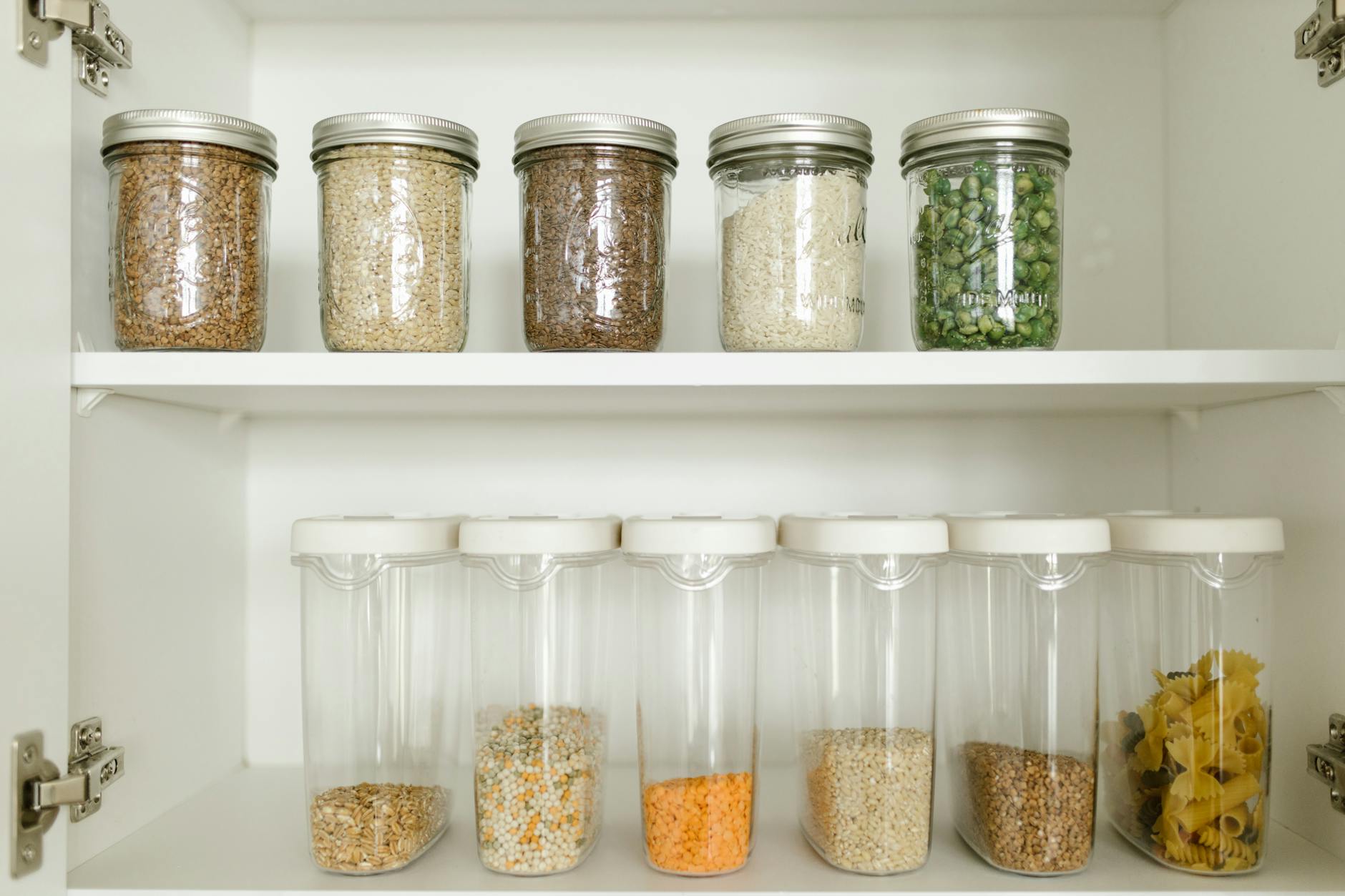
To execute all 15 recipes in this guide, you need a well-maintained essential pantry staples list. Keeping a consistent kitchen inventory ensures you are never truly out of options.
The Canned Goods Core
- Canned Chickpeas and Black Beans: Essential for protein and texture.
- San Marzano Canned Tomatoes: While generic works, San Marzano tomatoes have a natural sweetness that balances the metallic notes of the can.
- Canned Tuna and Salmon: Look for "wild-caught" for better texture in pasta and cakes.
- Coconut Milk: The full-fat version is a must for creamy curries and soups.
- Marinara Sauce: A high-quality jarred sauce is the ultimate time-saver.
The Dry Goods Essentials
- Dried Lentils: Specifically red lentils for quick cooking and brown lentils for texture.
- Pasta Shapes: Keep both long (spaghetti) and short (penne or fusilli) on hand.
- Grains: White rice, quinoa, and couscous.
- Panko Breadcrumbs: Vital for adding "crunch" to soft canned proteins.
The "Flavor Multiplier" Spice Cabinet
Without fresh aromatics, these five items do the heavy lifting: Garlic powder, onion flakes (which rehydrate beautifully in sauces), smoked paprika, cumin, and high-quality olive oil. Don't forget a bottle of red wine vinegar or lemon juice concentrate; acid is the secret ingredient that wakes up "sleepy" canned flavors.
5 Pro-Tips to Make Canned Goods Taste Like Fresh Ingredients
- The Power of Acid and Salt: Canned goods are often high in sodium but low in brightness. A splash of vinegar or a squeeze of bottled lemon juice at the end of cooking cuts through the "tinny" flavor.
- Blooming Spices in Oil: Never just dump garlic powder or onion flakes into a simmering liquid. Sauté them in olive oil for 30-60 seconds first. This "blooming" process releases fat-soluble flavor compounds that would otherwise remain dormant.
- Rinse, Rinse, Rinse: According to kitchen tips for improving canned vegetable flavor, rinsing beans and vegetables under cold water for at least 30 seconds removes up to 40% of the excess sodium and that distinct starchy liquid taste.
- Texture Hacks: Canned vegetables are soft. To fix this, try roasting canned chickpeas in the oven at 400°F with olive oil and salt until they pop. This adds a much-needed crunch to your meals.
- The "Umami" Add-In: Keep a jar of tomato paste or anchovies in your pantry. A tablespoon of tomato paste caramelized in the pan before adding liquids adds a depth of flavor that usually takes hours of simmering to achieve.
Pasta-Based Pantry Dinners
Pasta is the backbone of budget-friendly recipes. By using the starchy pasta water, you can create luxurious sauces from almost nothing.
1. Classic Pasta Puttanesca
This is the ultimate "emergency meal." It relies on salty, briny staples to create a complex sauce.
Ingredients:- 12 oz Spaghetti
- 1 can (28 oz) Crushed Tomatoes
- 1/2 cup Pitted Black Olives (jarred)
- 2 tbsp Capers
- 1 tsp Garlic Powder
- 1/4 tsp Red Pepper Flakes
- 3 tbsp Olive Oil
- Boil pasta in heavily salted water.
- In a large skillet, heat olive oil over medium. Add garlic powder and red pepper flakes; cook for 30 seconds.
- Stir in tomatoes, olives, and capers. Simmer for 10 minutes.
- Toss the pasta directly into the sauce, adding 1/4 cup of pasta water to emulsify.
2. Mediterranean Tuna Pasta with Lemon and Oil
3. Creamy Pantry Alfredo
Hearty Bean and Legume Meals
Legumes are the heroes of pantry meals with no fresh ingredients. They are shelf-stable for years and provide incredible satiety.
4. 10-Minute White Bean and Garlic Soup
5. Red Lentil Dal with Turmeric and Cumin
6. Chickpea Curry (Chana Masala)
This recipe uses canned chickpeas and coconut milk to create a restaurant-quality curry in minutes.
Ingredients:- 2 cans Canned Chickpeas (rinsed)
- 1 can (14 oz) Diced Tomatoes
- 1 can Full-Fat Coconut Milk
- 1 tbsp Curry Powder
- 1 tsp Onion Flakes
- 1 tsp Ginger Powder
- Sauté onion flakes and ginger powder in oil for 1 minute.
- Add curry powder and toast for 30 seconds until fragrant.
- Pour in tomatoes and chickpeas. Simmer for 10 minutes.
- Stir in coconut milk and simmer for another 5 minutes until thickened. Serve over rice.
7. Classic Rice and Beans
The ultimate budget-friendly recipes foundation. To make this special, Use the "absorption method" for the rice, cooking it in canned chicken or vegetable broth instead of water. Season your black beans with cumin and a dash of hot sauce to provide depth.
8. Black Bean Tacos with Canned Corn
Hard taco shells have a long shelf life. Fill them with seasoned black beans and canned roasted corn. If you have a jar of salsa in the back of the pantry, it provides all the "freshness" you need.
Canned Protein Specialties
Canned meats often get a bad reputation, but with the right binding agents and high-heat cooking, they can be transformed into gourmet patties and hashes.
9. Crispy Canned Salmon Cakes
- 1 can (14 oz) Canned Salmon (drained)
- 1/2 cup Panko Breadcrumbs
- 2 tbsp Jarred Mayonnaise
- 1 tsp Dried Dill
- 1 tsp Garlic Powder
- 2 tbsp Olive Oil (for frying)
- Flake the salmon in a bowl, removing any large bones.
- Mix in breadcrumbs, mayo, dill, and garlic powder.
- Form into 4 patties. If they feel loose, let them sit for 5 minutes to allow the breadcrumbs to hydrate.
- Fry in olive oil over medium-high heat for 3-4 minutes per side until golden brown and crispy.
10. Pantry Chicken Salad
Canned chicken is surprisingly versatile. The secret is to drain it thoroughly and then "refresh" it with an acid. Mix it with jarred mayo, onion flakes, and dried cranberries. Serve it on crackers or inside a wrap for a no-cook dinner.
11. Corned Beef Hash with Canned Potatoes
Canned potatoes are already soft, which makes them perfect for a quick hash. Sauté them in a pan with olive oil until the edges are crispy, then fold in canned corned beef. The high fat content in the beef will help brown the potatoes to a perfect crunch.
Grain-Based Comfort Bowls
Grains are the perfect canvas for dinner ideas using pantry staples because they absorb the flavors of whatever you pair them with.
12. Quinoa and Black Bean Power Bowls
Quinoa cooks in just 15 minutes. Combine it with black beans, canned corn, and a "dressing" made of lime juice (from a bottle) and olive oil. It’s a high-fiber, high-protein meal that keeps well for leftovers.
13. Savory Oatmeal with Soy Sauce
14. Couscous with Dried Cranberries and Chickpeas
Couscous is the fastest grain in your kitchen inventory—it only needs 5 minutes of soaking in boiling water. Mix in canned chickpeas and dried fruit for a sweet-and-savory Mediterranean vibe.
15. Three-Bean Chili with Cornbread
Use a mix of kidney, black, and pinto beans. Simmer them with marinara sauce (a great shortcut for chili base!) and chili powder. Serve with cornbread made from a boxed mix, which only requires water or shelf-stable milk.
Common Mistakes When Cooking with Pantry Staples
- Overcooking Canned Vegetables: Remember, canned vegetables are already cooked. You are simply heating them. If you boil them for 20 minutes, they will turn to mush. Add them at the very end of your recipes.
- Ignoring the Importance of Rinsing: As mentioned in the scientific guide on cooking dried beans, the liquid in the can is full of starch and excess salt. Unless the recipe specifically calls for it (like in my white bean soup), always rinse.
- Under-seasoning Dry Grains: Rice and quinoa are bland. Always cook them in broth or at least heavily salted water. A pinch of garlic powder in the cooking water goes a long way.
- Neglecting Food Safety: While canned goods have a long shelf life, you should always check for dents, bulges, or rust. According to shelf-stable food safety guidelines, a compromised can can harbor harmful bacteria even if it hasn't reached its "best by" date.
Frequently Asked Questions
Yes! While fresh is great, onion flakes and garlic powder provide excellent flavor when bloomed in oil. For texture, the crunch of panko or toasted chickpeas compensates for the lack of fresh aromatics.
Absolutely. By rinsing canned goods to reduce sodium and focusing on legumes and lean proteins like tuna and salmon, you are providing a nutrient-dense meal. You can find more budget friendly dinner recipes that prioritize health on our blog.
Most canned goods are safe for 2-5 years, while dry grains and beans can last even longer if kept in a cool, dry place. Always rotate your stock to ensure you're using the oldest items first.
Conclusion: Your Pantry is a Goldmine
The next time you find yourself staring at an empty fridge, don't panic. You now have 15 dinner ideas using pantry staples that prove you don't need a fresh grocery haul to eat well. From the briny depth of a Pasta Puttanesca to the comforting warmth of a Red Lentil Dal, these emergency meals are designed to save you time, money, and stress. Start building your kitchen inventory today, and you'll never be "out of food" again. Happy cooking!