Quick Answer
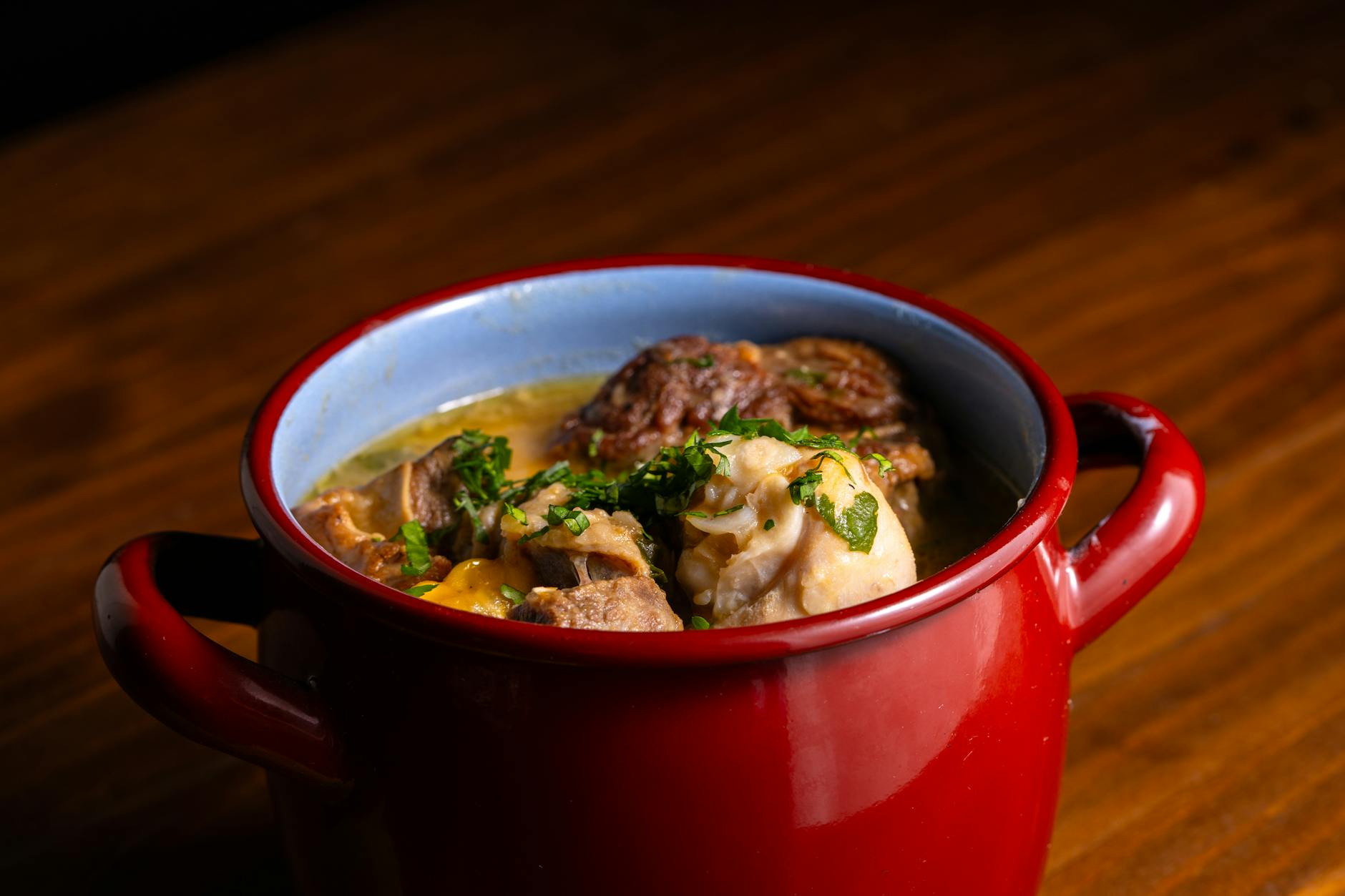
This guide explains how to make slow cooker beef stew. It also explains how to make a rich hearty slow cooker stew that's tender, flavorful, and perfect for busy weeknights.
Practical note
For A Practical Slow Cooker Beef Stew, this guide centers on Eye of Round, Sirloin Tip, Pork Loin. Those are the checkpoints we would use first in a normal home kitchen before making a bigger change.
Decision table
| Situation | Likely cause or meaning | Best move |
|---|---|---|
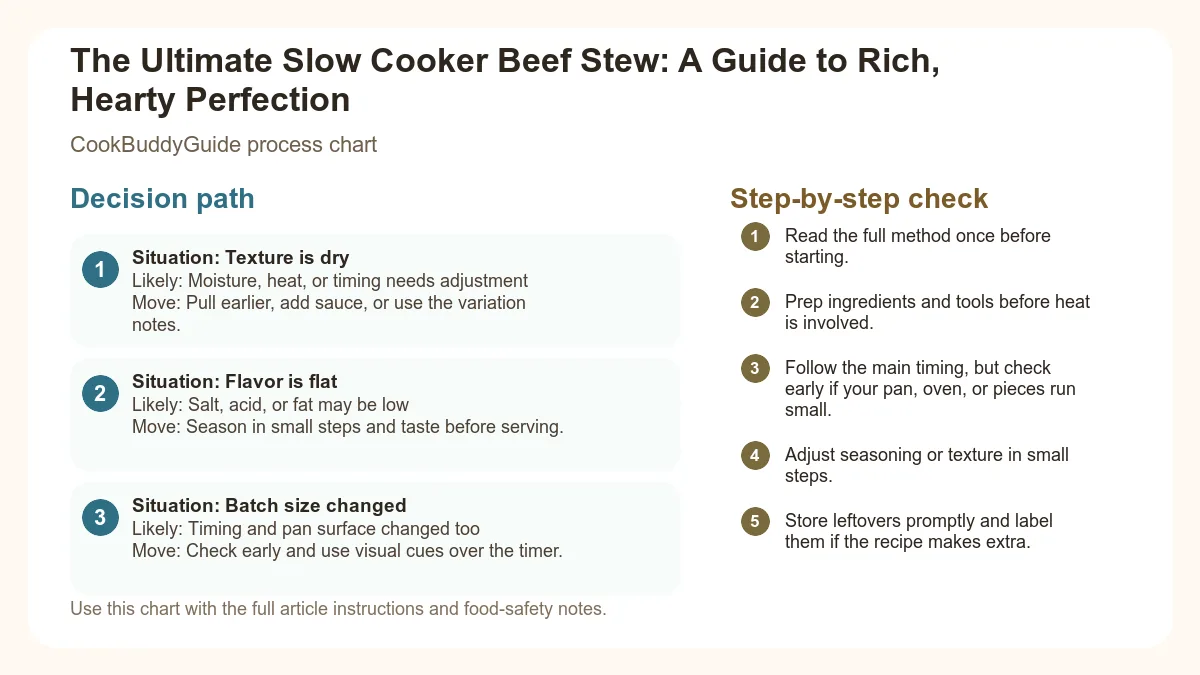
| Texture is dry | Moisture, heat, or timing needs adjustment | Pull earlier, add sauce, or use the variation notes. |
| Flavor is flat | Salt, acid, or fat may be low | Season in small steps and taste before serving. |
| Batch size changed | Timing and pan surface changed too | Check early and use visual cues over the timer. |
Step-by-step fix
- Read the full method once before starting.
- Prep ingredients and tools before heat is involved.
- Follow the main timing, but check early if your pan, oven, or pieces run small.
- Adjust seasoning or texture in small steps.
- Store leftovers promptly and label them if the recipe makes extra.
Common mistakes
- Changing the recipe before trying the base method once.
- Measuring casually when texture depends on ratios.
- Waiting until the end to fix seasoning.
- Ignoring carryover heat or resting time.
Related topic hubs
It’s 5:30 PM on a Tuesday. You’ve just walked through the front door after a long commute, your keys hit the counter, and then it hits you—that deep, savory, mouth-watering aroma of wine, thyme, and slow-simmered beef. You haven't even started "cooking" dinner, yet it's already finished. This is the magic of a perfectly executed slow cooker beef stew. However, we’ve all been on the receiving end of a "bad" slow cooker stew: the meat is stringy and dry, the carrots are mushy enough for baby food, and the broth is a thin, gray puddle of disappointment.
Table of Contents
- The Science of Low and Slow Cooking
- Choosing the Best Cut of Meat
- The Great Debate: To Brown or Not to Brown?
- Building Layers of Flavor: Aromatics and Liquids
- Vegetable Strategy: Preventing the Mush
- Achieving the Perfect Texture: Thickening Options
- Seasoning Development Over Time
- The Master Recipe: Rich & Hearty Slow Cooker Beef Stew
- Make-Ahead, Storage, and Freezing Tips
- Troubleshooting Common Stew Mistakes
Introduction: Why the Slow Cooker is Built for Beef Stew
The slow cooker isn't just a convenience tool; for certain dishes, it is actually superior to the stovetop. When we talk about slow cooker beef stew, we are talking about the art of the braise. Braising is a combination-cooking method that uses both wet and dry heats: typically, the food is first seared at a high temperature, then finished in a covered pot in a variable amount of liquid.
The Science of Low and Slow Cooking
What Makes a Stew Truly 'Rich and Hearty'?
The Foundation: Choosing the Best Cut of Meat
Why Chuck Roast is the Undisputed King
The Role of Collagen and Connective Tissue
When you cook chuck roast over several hours, the tough collagen doesn't just disappear—it melts. It transforms into gelatin, which bathes the meat fibers in moisture and gives the broth a silky, lip-smacking mouthfeel. Leaner cuts like Sirloin or Round Roast lack this collagen; they will actually become drier the longer you cook them because they have no "internal basting" mechanism.
Cuts to Avoid: Why Lean Meat Fails
- Eye of Round: Too lean. It will turn into flavorless sawdust in a slow cooker.
- Sirloin Tip: Great for steaks, terrible for 8-hour braises.
- Pork Loin: If you're pivoting to pork, avoid the loin; use the shoulder (Boston Butt) for the same collagen-rich reasons.
The Great Debate: To Brown or Not to Brown?
Understanding the Maillard Reaction
Browning meat isn't about "locking in juices"—that’s a culinary myth. It’s about the Maillard reaction. This is a chemical reaction between amino acids and reducing sugars that gives browned food its distinctive, savory flavor. When you sear beef in a hot cast iron skillet, you are creating hundreds of different flavor compounds that simply cannot be produced through boiling or steaming. This is the foundation of umami in your dish. You can read more about the science of the Maillard reaction to understand why this step is non-negotiable for flavor enthusiasts.
Testing Results: Flavor vs. Convenience
The Busy Cook’s Compromise: If you are truly short on time, brown only half the meat. You’ll still get a significant flavor boost without doubling your morning prep time.
How to Brown Efficiently for Maximum Fond
- Pat the meat dry with paper towels. Wet meat steams; dry meat sears.
- Heat a heavy skillet (cast iron is best) with a high-smoke-point oil.
- Don't crowd the pan. Sear in batches to maintain high heat.
- Deglazing: After browning, you'll see brown bits stuck to the pan. This is "fond." Pour in a splash of red wine or beef broth and scrape those bits up. This is liquid gold—pour it right into the slow cooker!
Building Layers of Flavor: Aromatics and Liquids
A great stew is a symphony, not a solo. Once the meat is in the pot, we need to build the "background noise" that supports it.
The Mirepoix Base: Onions, Carrots, and Celery
The classic mirepoix (two parts onion, one part carrot, one part celery) is the aromatic backbone of Western cooking. Consider sautéing your onions and celery in the same pan you used for the meat for about 5 minutes before adding them to the slow cooker. This removes the "raw onion" bite and starts the caramelization process.
Secret Umami Boosters: Beyond Just Beef Broth
- Worcestershire sauce: Adds fermented depth and saltiness.
- Tomato paste: Sauté this with your onions for 2 minutes to "cook out" the raw metallic taste. It adds incredible color and body.
- Soy sauce or Anchovy paste: Don't worry, it won't taste like fish or stir-fry. It just makes the beef taste beefier.
Vegetable Strategy: Preventing the Mush
One of the biggest complaints about slow cooker beef stew is that the vegetables lose their identity. They all end up tasting like the same brown mush. Here is how I solve that.
The Potato Paradox: Yukon Gold vs. Russet
Timing Your Additions
Not all vegetables belong in the pot for 8 hours.
- The "Long-Haulers": Carrots, onions, and potatoes go in at the start. Cut them into large, 1.5-inch chunks. If you cut them too small, they will vanish.
- The "Finishers": Frozen peas, pearl onions, or sautéed mushrooms should only be added in the last 30 minutes. This keeps their color vibrant and their texture snappy.
Achieving the Perfect Texture: Thickening Options
Because slow cookers are closed systems, the liquid doesn't evaporate and thicken naturally like it does on a stovetop. You have to help it along.
The reliable Cornstarch Slurry Method
This is the most reliable way to get a glossy, polished stew without the risk of flour clumps.
- In a small bowl, whisk together 2 tablespoons of cornstarch and 3 tablespoons of cold water or broth until smooth.
- About 30 minutes before serving, turn the slow cooker to HIGH.
- Stir the slurry into the bubbling liquid.
- Cover and cook for another 15-20 minutes until the sauce has thickened and cleared.
For more technical details on this process, you can refer to The Kitchn’s guide on how to thicken sauces with cornstarch slurry.
Alternative Thickening: The Flour Dredge
Some traditionalists prefer to toss the raw beef chunks in flour before browning. This creates a roux-like effect during the cook. While this adds a nice flavor, it can sometimes lead to a "muddy" looking sauce if not browned perfectly. If you choose this route, ensure you cook the floured meat long enough to brown the flour, or you'll end up with a raw grain taste in your final one-pot meal.
Seasoning Development Over Time
Flavor is a moving target in a slow cooker. What tastes perfectly seasoned at 10:00 AM will taste different at 6:00 PM.
Fresh vs. Dried Herbs
Hard herbs like Bay leaves, thyme, and rosemary are built for the long haul. Use dried thyme in the beginning because it stands up to the heat. If you want to use fresh parsley or chives, save them for the very end as a garnish. The bright green color and fresh pop of flavor provide a necessary contrast to the heavy, slow-cooked base.
The Power of a Final Acid Hit
After 8 hours of cooking, a stew can taste "flat" or overly heavy due to the rendered fats. The secret fix? Acid. Just before serving, stir in a teaspoon of balsamic vinegar or a squeeze of fresh lemon juice. This cuts through the fat and "wakes up" all the other flavors. I’ve saved many a "bland" stew with this one simple trick.
The Master Recipe: Rich & Hearty Slow Cooker Beef Stew
Ingredients Checklist
- 3 lbs Chuck roast, cut into 1.5-inch cubes
- 1/4 cup All-purpose flour (for dredging)
- 3 tbsp Vegetable oil
- 1 large Yellow onion, chopped
- 3 cloves Garlic, minced
- 1 cup Dry red wine (Cabernet or Merlot)
- 3 cups High-quality beef broth
- 2 tbsp Worcestershire sauce
- 2 tbsp Tomato paste
- 1 lb Yukon Gold potatoes, cut into large chunks
- 4 large Carrots, peeled and sliced into 1-inch rounds
- 2 stalks Celery, sliced
- 2 Bay leaves
- 1 tsp Dried thyme
- Salt and black pepper to taste
- Cornstarch slurry (2 tbsp cornstarch + 3 tbsp water)
- 1 cup Frozen peas (optional, for the end)
Step-by-Step Preparation Guide
- Sear the Beef: Season beef cubes with salt and pepper. Dredge lightly in flour. In a large skillet, heat oil over medium-high heat. Brown meat in batches until a deep crust forms. Transfer to the slow cooker.
- Deglaze: In the same skillet, add the onions and celery. Sauté for 5 minutes. Add garlic and tomato paste; cook for 1 minute. Pour in the red wine, scraping the bottom of the pan to release the fond. Pour everything into the slow cooker.
- Assemble: Add the potatoes, carrots, beef broth, Worcestershire sauce, bay leaves, and thyme to the pot. Stir gently to combine.
- Low and Slow: Cover and cook on LOW for 8-9 hours (preferred) or HIGH for 4-5 hours. The meat should be fork-tender but not falling apart into shreds.
- Thicken: 30 minutes before serving, remove the bay leaves. Stir in the cornstarch slurry. Add frozen peas if using. Turn to HIGH for the final 30 minutes.
- The Finish: Taste and adjust salt/pepper. Add a splash of balsamic vinegar if it needs brightening.
Make-Ahead, Storage, and Freezing Tips
One of the best things about slow cooker beef stew is that it actually improves with age. As the stew cools, the flavors continue to meld and the starches from the potatoes further thicken the sauce.
Why Stew Tastes Better the Next Day
When you refrigerate stew, the aromatic compounds in the onions, garlic, and herbs continue to diffuse through the liquid and into the meat. The fats also solidify on top, making them easy to scrape off if you prefer a leaner meal the next day. This makes it a perfect candidate for meal prep.
Freezing Guide: How to Prevent Mealy Potatoes
Beef stew freezes well for up to 3 months. However, be warned: potatoes can sometimes become "mealy" or spongy after thawing. To prevent this, ensure your potatoes are fully cooked through before freezing, or consider leaving them out and adding freshly boiled potatoes when you reheat the stew. For safety, always refer to the safe storage of leftovers guidelines to ensure your hard work doesn't go to waste.
Troubleshooting Common Stew Mistakes
In 90% of cases, the meat isn't overcooked—it’s undercooked. If you are using chuck roast, it needs enough time for the connective tissue to break down. If it's tough, give it another hour on low. If you're really in a rush next time, you might want to try some Instant Pot Recipes for Beginners which use pressure to speed up this breakdown.
This happens if the chuck roast had a lot of internal fat. The easiest fix is to lay a slice of plain white bread on the surface of the stew for 30 seconds; it will act as a sponge for the oil. Alternatively, if you have time, refrigerate the stew and scrape the hardened fat off the top the next morning.
Don't add water, as it will dilute the flavor. Instead, add a peeled, halved raw potato and simmer for 20 minutes. The potato will absorb some of the salt. Remove the potato before serving (or eat it—it'll be the saltiest, tastiest potato ever).
Conclusion: A Practical Comfort Food
Mastering the slow cooker beef stew is a rite of passage for any home cook. It’s a dish that rewards patience and attention to detail. By choosing a high-collagen chuck roast, taking the time to develop flavor through the Maillard reaction, and managing your vegetable timing, you move beyond "crockpot cooking" and into the realm of true culinary craft.
Next time you see a rainy forecast or a particularly busy Monday on your calendar, reach for this recipe. There is nothing quite like the peace of mind that comes from knowing a rich hearty slow cooker stew is bubbling away in the kitchen, waiting to welcome you home. Happy cooking!