Quick Answer
Fuel your day with high protein smoothies without powder. It also explains how to use Greek yogurt, tofu, and seeds for 20g+ of natural protein in every creamy glass.
Practical note
For 5 High Protein Smoothies Without Powder, this guide centers on Carbs, Fats, Medjool Dates. Those are the checkpoints we would use first in a normal home kitchen before making a bigger change.
Decision table
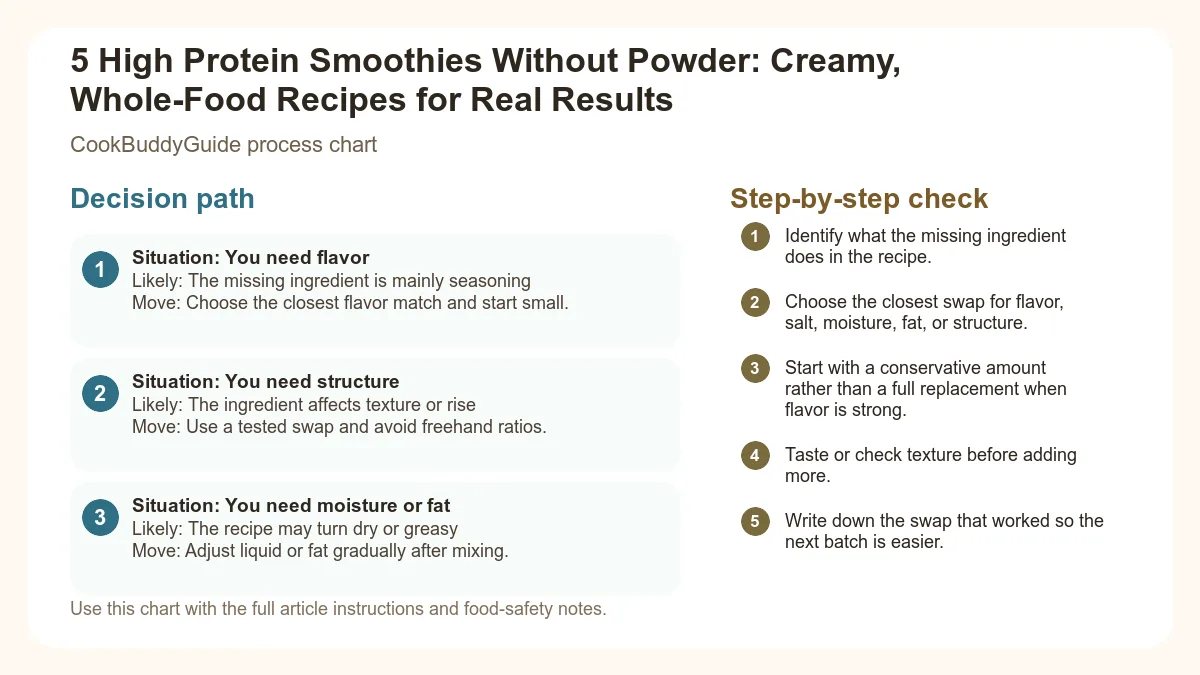
| Situation | Likely cause or meaning | Best move |
|---|---|---|
| You need flavor | The missing ingredient is mainly seasoning | Choose the closest flavor match and start small. |
| You need structure | The ingredient affects texture or rise | Use a practical swap and avoid freehand ratios. |
| You need moisture or fat | The recipe may turn dry or greasy | Adjust liquid or fat gradually after mixing. |
Step-by-step fix
- Identify what the missing ingredient does in the recipe.
- Choose the closest swap for flavor, salt, moisture, fat, or structure.
- Start with a conservative amount rather than a full replacement when flavor is strong.
- Taste or check texture before adding more.
- Write down the swap that worked so the next batch is easier.
Common mistakes
- Replacing a strong ingredient 1:1 before tasting.
- Choosing a flavor match when the recipe actually needs structure.
- Forgetting that salty swaps can change the whole dish.
- Adding extra liquid before the batter, dough, or sauce has time to hydrate.
Related topic hubs
Table of Contents
- Why We’re Ditching the Chalky Protein Powder
- The "Big Five" Whole Food Protein Bases
- The Golden Rule of Texture: The Perfect Blending Order
- Recipe 1: The Classic Peanut Butter Banana Powerhouse
- Recipe 2: Silken Tofu Chocolate Almond Bliss
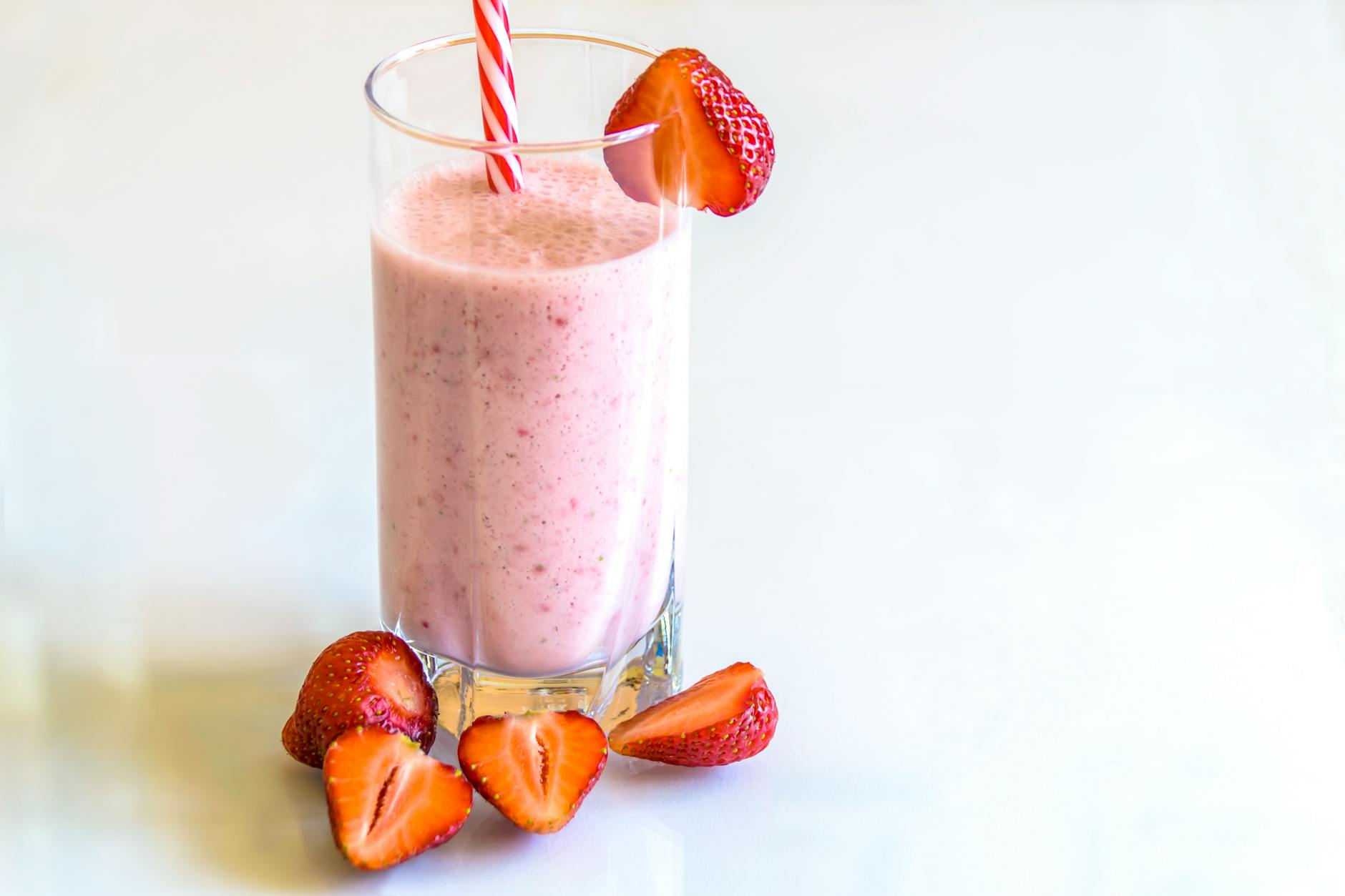
- Recipe 3: Creamy Berry Greek Yogurt Delight
- Recipe 4: Tropical Mango Coconut Protein Boost
- Recipe 5: A Practical Green Protein Machine
- Advanced Customization and Meal Prep
- Troubleshooting Common Smoothie Mistakes
Introduction: Why We’re Ditching the Chalky Protein Powder
The Problem with Highly Processed Protein Supplements
The Power of Whole Food Protein Sources
The "Big Five" Whole Food Protein Bases
Greek Yogurt: The Probiotic Powerhouse
If you aren't dairy-free, Greek yogurt is your best friend. But here is the secret: you must choose "strained" Greek yogurt. Traditional yogurt is runny because the whey hasn't been removed; Greek yogurt is thick because it’s concentrated. According to the USDA, the protein content of Greek yogurt is significantly higher than regular varieties, offering about 17g to 20g per cup. Consider plain, full-fat or 2% versions to avoid the hidden sugars in "fruit on the bottom" brands.
Silken Tofu: The Secret to Dairy-Free Creaminess
Hemp and Chia Seeds: Tiny Seeds, Massive Gains
These are the "natural powders" of the whole-food world. Hemp hearts are a nutritional marvel, containing about 10g of protein in just 3 tablespoons. They have a mild, nutty flavor that pairs perfectly with tropical fruits. Chia seed hydration is also vital; these seeds absorb up to 10 times their weight in liquid, creating a thick gel that adds body to your drink. Beyond protein, they are a complete source of all nine essential amino acids. The nutritional benefits of chia seeds also include a massive dose of Omega-3 fatty acids, which are great for heart health.
Nut Butters: Healthy Fats Meet Protein
Liquid Bases: Choosing High-Protein Milks
Your choice of liquid matters. Water has 0g of protein. Almond milk, surprisingly, only has about 1g per cup. If you want to maximize your macros, reach for soy milk (8g per cup) or pea-based milk (8g per cup). When choosing healthy protein sources for your liquid base, always check the label for "unsweetened" to keep these as low-sugar smoothies.
The Golden Rule of Texture: The Perfect Blending Order
- Step 1: Liquids First. This creates a "vortex" that pulls the solid ingredients down toward the blades.
- Step 2: Powders and Seeds. Add your chia seeds, hemp hearts, or flax meal now. The liquid ensures they don't stick to the sides of the jar.
- Step 3: Fresh Greens and Soft Fruits. Spinach, kale, or fresh berries go in next.
- Step 4: Frozen Elements and Ice. The weight of frozen bananas or mangoes pushes everything else down. Pro tip: Use frozen fruit instead of ice cubes to avoid a watered-down taste.
Recipe 1: The Classic Peanut Butter Banana Powerhouse
- 1 cup unsweetened soy milk
- 1/2 cup plain 2% Greek yogurt
- 1 large overripe frozen banana (peel before freezing!)
- 2 tbsp natural peanut butter
- 3 tbsp hemp hearts
- 1/2 tsp cinnamon
- Pinch of sea salt
- Protein: 28g
- Carbs: 42g
- Fats: 14g
Recipe 2: Silken Tofu Chocolate Almond Bliss
If you're looking for silken tofu recipes that don't taste like "health food," this is it. This smoothie has the exact consistency of a Wendy’s Frosty but is packed with plant-based protein. It’s the ultimate post-workout nutrition for recovery.
Ingredients:- 1/2 cup silken tofu (drained)
- 1 cup unsweetened almond milk (or soy for even more protein)
- 1 tbsp raw cacao powder
- 1 tbsp almond butter
- 1 tbsp chia seeds
- 2 medjool dates (pitted)
- 1/2 cup frozen cauliflower rice (trust me, you won't taste it, and it adds creaminess!)
- Protein: 22g
- Carbs: 35g
- Fats: 16g
Recipe 3: Creamy Berry Greek Yogurt Delight
This recipe is designed for maximum protein with minimum fat. By using 0% fat Greek yogurt and a mix of antioxidant-rich berries, you get a refreshing, tart, and filling breakfast. This fits perfectly into a plan of high protein meals for weight loss.
Ingredients:- 1 cup plain 0% Greek yogurt
- 1/2 cup frozen blueberries, or fresh berries that still pass the checks in our blueberry fridge storage guide
- 1/2 cup frozen strawberries
- 1/2 cup water or coconut water
- 2 tbsp chia seeds
- 1 tsp vanilla extract
- A squeeze of fresh lemon juice (to brighten the berries)
- Protein: 30g
- Carbs: 28g
- Fats: 6g
Kitchen Tip: If the Greek yogurt is too tart for you, don't reach for sugar. Add a pinch of salt. Salt suppresses bitterness and enhances the natural sweetness of the berries.
Recipe 4: Tropical Mango Coconut Protein Boost
Many people struggle to find high-protein tropical smoothies because they usually rely on fruit and juice. By utilizing the health benefits of hemp seeds, we can create a tropical escape that actually builds muscle.
Ingredients:- 1 cup frozen mango chunks
- 1/4 cup full-fat canned coconut milk (for satiety and MCTs)
- 3 tbsp hemp hearts
- 1/2 cup plain Greek yogurt
- 1/2 cup water
- 1/4 tsp ground ginger
- Protein: 21g
- Carbs: 45g
- Fats: 18g
Recipe 5: A Practical Green Protein Machine
Most green smoothies are just "sugar bombs" with a leaf of spinach. This version uses pumpkin seeds (pepitas) and Greek yogurt to ensure you're getting a full serving of protein alongside your phytonutrients.
Ingredients:- 2 cups fresh baby spinach (packed)
- 1/2 cup plain Greek yogurt
- 1/4 cup raw pumpkin seeds
- 1/2 green apple (chopped)
- 1 cup unsweetened soy milk
- 1 tbsp flax seeds
- Squeeze of lime juice
- Protein: 26g
- Carbs: 22g
- Fats: 12g
Technique Note: Blend the spinach and soy milk first until completely liquid. Then add the rest of the ingredients. This prevents those annoying "bits" of leaves from getting stuck in your straw.
Advanced Customization and Meal Prep
Smoothie Packs: The Busy Cook’s Best Friend
Natural Sweeteners: Beyond Refined Sugar
Boosting Fiber for Better Digestion
Protein is great, but dietary fiber is what keeps your digestive system moving and prevents blood sugar spikes. If a smoothie feels too "light," try adding 1/4 cup of rolled oats. This changes the liquid-to-solid ratio and provides sustained energy release, making these perfect for long mornings at the office.
Troubleshooting Common Smoothie Mistakes
This usually happens when you use too much liquid or not enough frozen elements. To fix it without adding more calories, add 1/2 teaspoon of chia seeds and let it sit for two minutes. The chia seed hydration will naturally thicken the mixture. Alternatively, use frozen cauliflower rice—it adds bulk and creaminess with zero flavor impact.
Grittiness usually comes from seeds (like flax or chia) not being pulverized. Ensure you are using a high-speed blender. If you have a standard blender, try soaking your seeds in the liquid for 10 minutes before blending. Also, ensure you are adding ingredients in the correct liquid-to-solid ratio.
Conclusion: Real Food, Real Results
Switching to high protein smoothies made from whole foods was a turning point in my culinary journey. You don't need expensive, highly processed powders to see results in the gym or to feel energized throughout the day. By mastering the "Big Five" protein bases and following the correct blending order, you can create meals that are nutritionally superior and vastly more delicious than any supplement.