Quick Answer: How do you roast mixed vegetables evenly?
Heat the oven to 425°F. Group vegetables by density, cut each group to a consistent size, dry the pieces, coat them lightly with oil, and spread them in one layer with visible space. Start dense roots first, then add firm and tender vegetables later so each group finishes browned and tender.
Practical note
If roots and zucchini share a pan from the start, one group will usually be wrong. Stagger the additions or use separate pans.
A simple method for easy roasted vegetables
Utah State University Extension recommends 425°F, uniform 1-inch pieces, a light coating of oil, and a single layer. The broad cooking window runs from 10 to 50 minutes because asparagus, cauliflower, carrots, and potatoes do not soften at the same rate.
Base formula for four servings
- 4 cups cut vegetables
- 1 to 2 tablespoons olive oil
- Salt, pepper, and dried herbs to taste
- 425°F oven
Use one vegetable group or stagger mixed vegetables with the schedule below. The vegetables are done when they are tender and browned at the edges.
- Heat the oven and pan. Put a rack near the middle and heat the oven to 425°F. A rimmed metal sheet pan keeps oil and juices contained.
- Wash and dry the produce. The FDA says to rinse produce under running water, without soap or produce wash, and dry it with a clean cloth or paper towel.
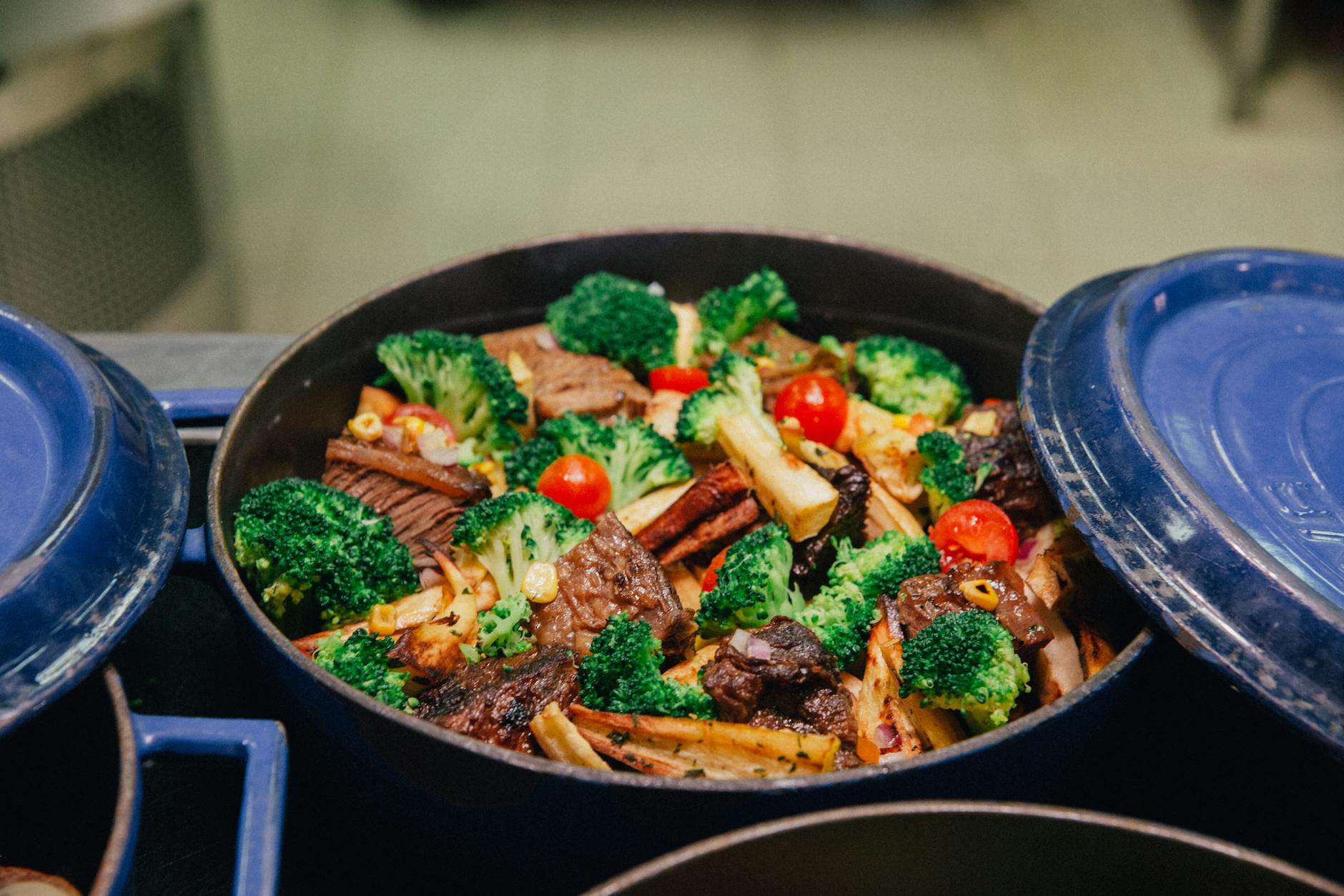
- Sort by density. Put potatoes, beets, carrots, parsnips, and winter squash in the dense group. Broccoli, cauliflower, Brussels sprouts, onions, and mushrooms are the firm group. Zucchini, asparagus, peppers, and tomatoes are the tender or high-moisture group.
- Cut within each group consistently. One-inch pieces are a useful baseline. Halve Brussels sprouts through the stem and place their cut faces against the pan. Give broccoli and cauliflower a flat cut side where possible.
- Oil and season lightly. Toss until every piece has a thin sheen. Oil should coat the vegetables rather than pool on the pan. Add salt, pepper, and sturdy dried herbs now.
- Spread, roast, and check. Arrange one layer with space between pieces. Turn or stir once after the first side has browned. Remove each group when a fork enters easily and the edges are browned.
Exact time depends on the cut, the vegetable, the pan, and the oven. Color and tenderness are better finish signals than a timer alone.
Roasted vegetable timing chart at 425°F
These ranges combine Utah State University Extension's 425°F vegetable chart with Food Network Kitchen's guidance for sequencing vegetables. Start checking at the low end. Larger pieces, a crowded pan, or an oven that runs cool can extend the time.
| Vegetable group | Prep | Starting range | Ready when |
|---|---|---|---|
| Potatoes, beets, carrots, parsnips | About 1-inch pieces | 25 to 45 minutes | Fork-tender with browned faces |
| Butternut squash, sweet potato | About 1-inch cubes | 25 to 35 minutes | Tender center and browned corners |
| Cauliflower, Brussels sprouts | Florets or halves | 15 to 25 minutes | Brown edges and tender stems |
| Broccoli | 1 1/2 to 2-inch florets | 12 to 20 minutes | Brown tops and tender stalks |
| Onions, fennel, mushrooms | Wedges or halves | 20 to 30 minutes | Soft centers and brown edges |
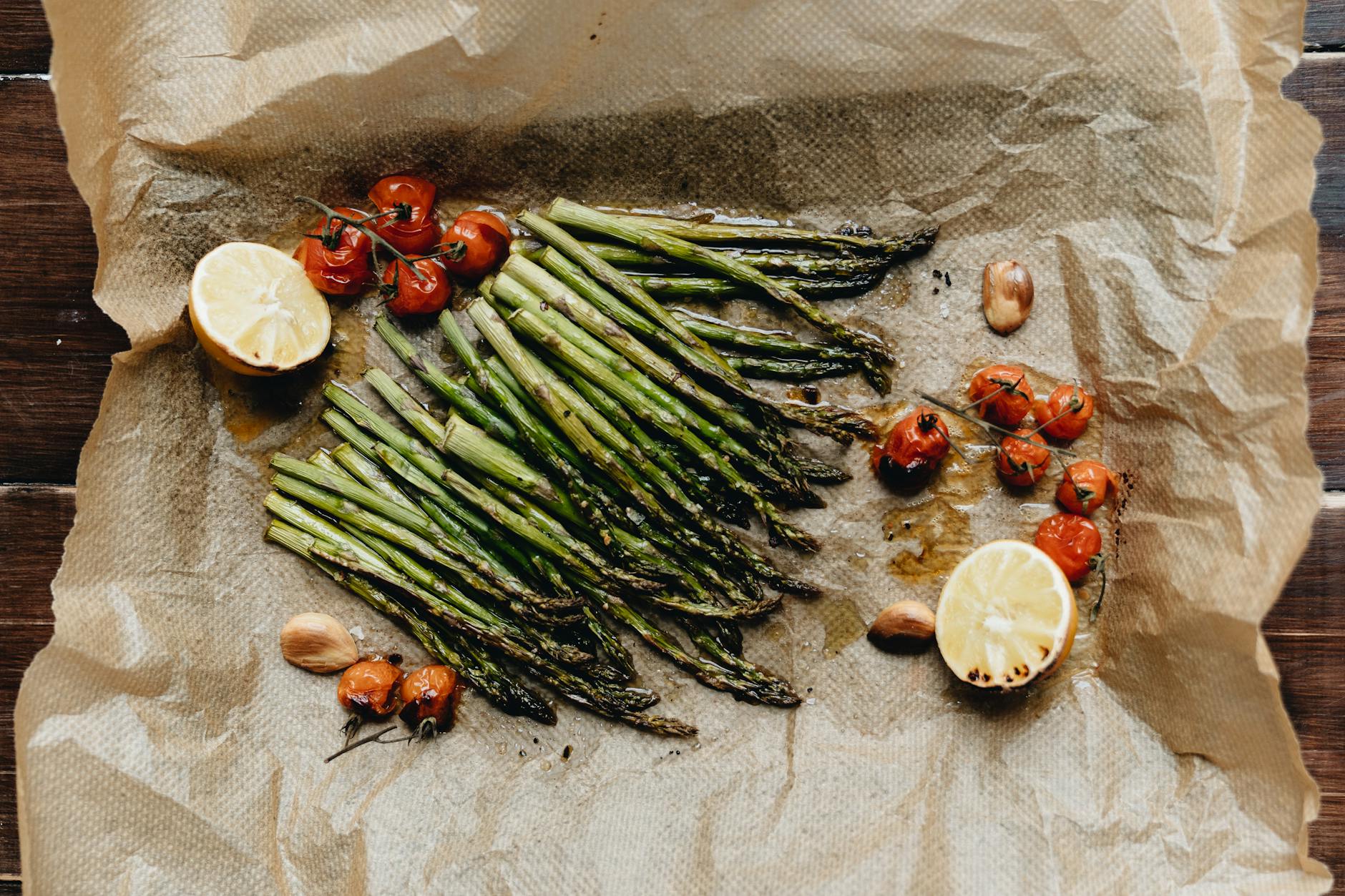
| Asparagus, green beans | Whole trimmed spears or beans | 10 to 18 minutes | Tender with a little browning |
| Zucchini, peppers, cherry tomatoes | Thick pieces or whole tomatoes | 12 to 25 minutes | Softened but still holding shape |
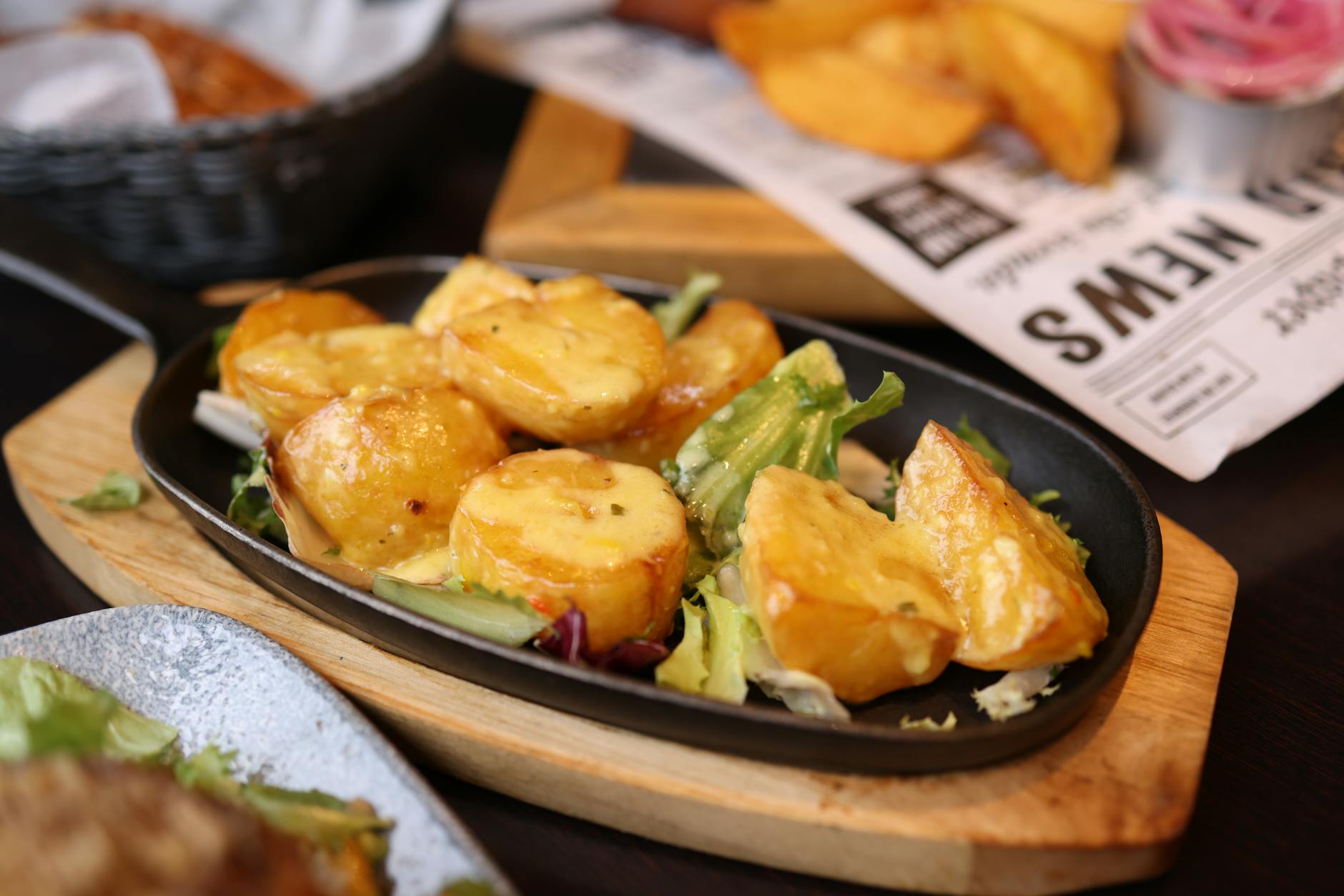
The range is intentionally broad. A detailed roasted broccoli method can be more precise than a mixed-pan chart. Potatoes also benefit from their own crispy roasted potato guide.
How to stagger vegetables on one sheet pan
Mixed vegetables cook more evenly when they enter the oven in stages. Food Network Kitchen places roots first, then firm squash and cruciferous vegetables, followed by tender vegetables. Separate pans are easier when the timing gap is large.
Example mixed-pan schedule
- Start 1-inch potatoes, carrots, or beets.
- After 12 to 15 minutes, turn the roots and add cauliflower, Brussels sprouts, onion, or winter squash.
- During the final 10 to 15 minutes, add zucchini, asparagus, peppers, or tomatoes.
- Remove any vegetable that finishes early instead of waiting for the whole pan.
Do not force a large batch onto one pan. Divide it across two pans, leave room around the pieces, and swap the pans between racks when you turn the vegetables. For a complete meal built around the same approach, see the sheet pan dinner guide.
Why roasted vegetables turn soggy instead of brown
Browning slows when surface water cannot evaporate or the pan loses too much heat. Wet produce, overlapping pieces, a deep baking dish, or a very full pan can leave vegetables soft and pale.
- Dry after washing. Water left in broccoli crowns, mushroom gills, or between leaves becomes steam in the oven.
- Use a shallow metal pan. High sides hold more moisture around the food. A rimmed sheet pan gives hot air better access.
- Leave visible gaps. The vegetables can be close, but they should not sit in a pile or overlap.
- Put cut faces down. Flat sides on squash, cauliflower, Brussels sprouts, and onions make better contact with the pan.
- Wait before turning. Give the first side time to color. Stirring every few minutes interrupts contact with the hot pan.
Parchment makes cleanup easier and still gives good results. Bare metal provides more direct pan contact but may stick. Choose based on the vegetable and the cleanup you want, then judge the food by its color and tenderness.
When should seasonings go on roasted vegetables?
Add salt, pepper, dried herbs, and dry spices before roasting. Fresh garlic, finely grated cheese, chopped nuts, and sugary glazes can scorch during a long roast, so add them during the last few minutes or after the pan leaves the oven.
| Flavor | Add before roasting | Finish with |
|---|---|---|
| Lemon and herb | Olive oil, thyme, black pepper | Lemon juice and zest |
| Garlic Parmesan | Oil, salt, pepper | Garlic near the end, Parmesan after roasting |
| Smoky | Oil, smoked paprika, cumin | Lime juice or chopped cilantro |
| Balsamic rosemary | Oil, rosemary, pepper | Balsamic vinegar or glaze |
Acid added after roasting sharpens the flavor without adding water during browning. Taste first, then add more salt only if the vegetables need it.
Fix uneven, burnt, or dry roasted vegetables
| Problem | Likely cause | Next move |
|---|---|---|
| Soft and pale | Wet pieces or a crowded pan | Spread onto two dry pans and continue roasting. |
| Burnt outside, firm inside | Pieces are too large or the pan is too close to the heat | Lower to 400°F, move the pan toward the middle, and cut smaller next time. |
| Some pieces done early | Different density or uneven cuts | Remove finished pieces and give dense pieces more time. |
| Dry and shriveled | Too much time or very small pieces | Pull the pan earlier and finish with sauce, yogurt, or vinaigrette. |
| Burnt garlic or herbs | Delicate seasoning went on too early | Add a fresh finishing seasoning after roasting. |
If the vegetables are already too soft, the overcooked vegetable guide has options for soup, puree, sauce, and other useful second forms.
Can frozen vegetables be roasted?
Frozen vegetables can go straight into a hot oven, but they release more moisture and may not brown like fresh vegetables. Do not thaw them first. Spread them widely, use a thin coating of oil, and allow extra time. Follow package directions when they differ.
Choose sturdy frozen vegetables such as broccoli, cauliflower, Brussels sprouts, green beans, or squash. Very small mixed vegetables can soften before much browning develops. An air fryer may be more practical for a small batch; the air fryer Brussels sprouts guide explains that method.
How to store and reheat roasted vegetables
Refrigerate leftovers within 2 hours, or within 1 hour when the food has been in temperatures above 90°F. FoodSafety.gov recommends eating refrigerated leftovers within 3 to 4 days. Use a shallow covered container rather than leaving the pan on the counter to cool.
For better texture, spread the vegetables on a pan and reheat them in a hot oven or toaster oven until hot. A microwave is faster but leaves the surface softer. Use leftovers in grain bowls, omelets, pasta, soup, or alongside rotisserie chicken.
Frequently asked questions
What temperature is best for roasting vegetables?
425°F is a useful starting point for most cut vegetables. It is hot enough to brown the surface while the center becomes tender. Very delicate vegetables may finish sooner, while dense roots need more time. Check color and tenderness before relying on the clock alone.
Why are my roasted vegetables soggy?
Soggy vegetables usually have too much surface water or too little room on the pan. Dry washed produce, use a thin coating of oil, and arrange pieces in one layer with visible space. If the pan is full, divide the batch between two pans.
Can you roast different vegetables together?
Yes, but group vegetables by density and moisture. Start dense roots first, add firm vegetables such as cauliflower or Brussels sprouts later, and add zucchini or tomatoes near the end. Separate pans are simpler when the vegetables have very different cooking times.
Can you roast frozen vegetables without thawing them?
Yes. Put frozen vegetables into a hot oven without thawing, spread them widely, and expect more moisture and a softer result than with fresh produce. Add only enough oil to coat them and allow extra time as needed. Check the package when it gives specific directions.