Quick Answer
This guide explains how to make crispy potatoes in oven that are crunchier than fries. Our guide to crispy roasted potatoes covers the par-boiling trick for perfect results.
Practical note
For Crispy Roasted Potatoes, this guide centers on sheet pan, golden brown, fluffy interior. Those are the checkpoints we would use first in a normal home kitchen before making a bigger change.
Decision table
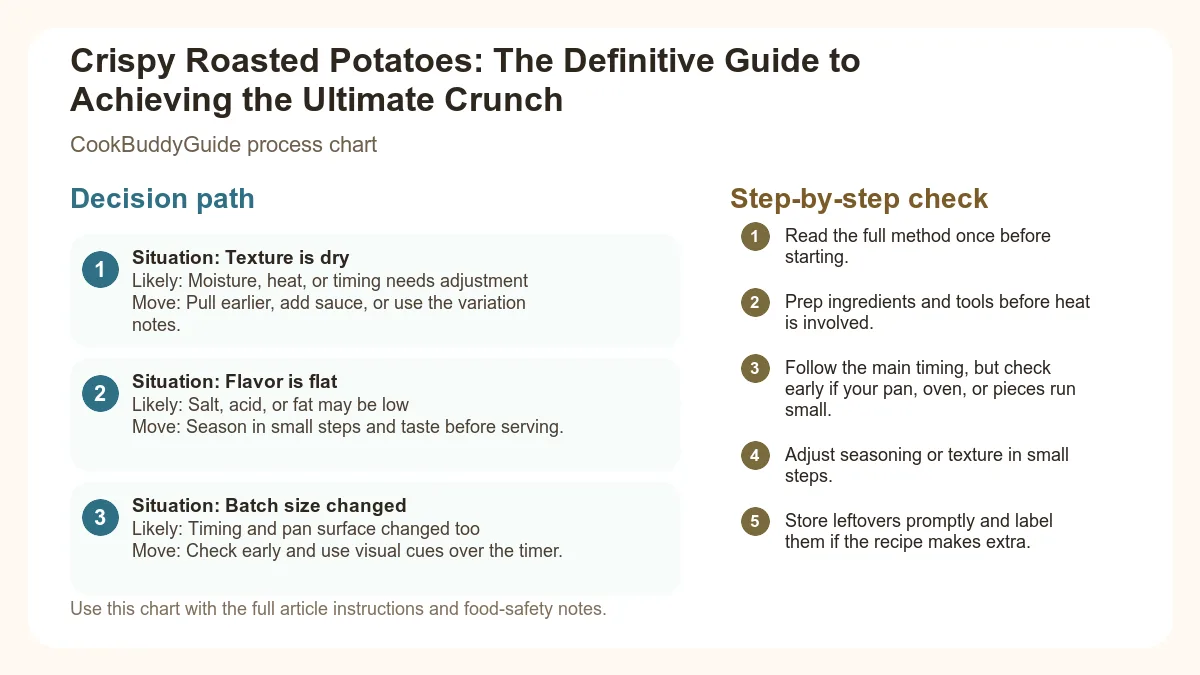
| Situation | Likely cause or meaning | Best move |
|---|---|---|
| Texture is dry | Moisture, heat, or timing needs adjustment | Pull earlier, add sauce, or use the variation notes. |
| Flavor is flat | Salt, acid, or fat may be low | Season in small steps and taste before serving. |
| Batch size changed | Timing and pan surface changed too | Check early and use visual cues over the timer. |
Step-by-step fix
- Read the full method once before starting.
- Prep ingredients and tools before heat is involved.
- Follow the main timing, but check early if your pan, oven, or pieces run small.
- Adjust seasoning or texture in small steps.
- Store leftovers promptly and label them if the recipe makes extra.
Common mistakes
- Changing the recipe before trying the base method once.
- Measuring casually when texture depends on ratios.
- Waiting until the end to fix seasoning.
- Ignoring carryover heat or resting time.
Related topic hubs
- Why Most Roasted Potatoes Fail (The Science)
- Selecting Your Spuds: The Best Varieties
- The Game-Changing Par-Boiling Trick
- Fat and Oil: Choosing the Right Medium
- Mastering the Oven Environment
- Seasoning Variations to Elevate Your Side Dish
- The Air Fryer Alternative
- Troubleshooting Common Potato Problems
- Serving, Pairing, and Reheating
Why Most Roasted Potatoes Fail (and How We Fixed It)
The primary reason home-cooked potatoes fail to crisp is moisture. Potatoes are roughly 80% water. If you simply chop a raw potato and throw it on a sheet pan, the exterior dries out at the same rate the interior steams. By the time the outside is even remotely brown, the inside is overcooked, or worse, the outside remains leathery instead of crunchy.
The Science of the Maillard Reaction
Texture Goals: Glassy Exterior vs. Fluffy Interior
The "perfect" roast potato has two distinct layers. The first is a thick, craggy, fried crust that shatters when you bite into it. The second is a center so soft it's almost like mashed potatoes. This contrast is achieved by manipulating the starch granules. When we par-boil the potatoes, the starch on the surface gelatinizes. When we later roast them at high heat, that gelatinized starch dehydrates and fries into a rigid, crispy shell.
Selecting Your Spuds: The Best Potato Varieties for Roasting
Not all potatoes are created equal. If you’ve ever tried to roast a red bliss potato and wondered why it stayed waxy and firm, it’s because of the starch-to-water ratio. For crispy roasted potatoes, starch is your best friend.
Russets: The King of Starch
Yukon Golds: The Creamy Contender
If you prefer a slightly more "buttery" flavor, Yukon Golds are a fantastic secondary choice. They have a medium starch content. While they won't get quite as thick a crust as a Russet, their interior is naturally creamier. Consider a 50/50 mix of Russets and Yukons for a side dish that offers a complex texture profile.
Why Red Potatoes Often Fall Short
Red potatoes are "waxy." They have high moisture and low starch. While they hold their shape beautifully in a potato salad, they are terrible for roasting if your goal is a crunch. They tend to get a thin, papery skin rather than a deep, fried crust. If you’re looking for easy sheet pan dinner ideas, stick to the starchier varieties for the best results.
The Game-Changing Par-Boiling Trick
The Baking Soda Secret: Modifying Water pH
The 'Rough-Up' Technique for Maximum Surface Area
After boiling the potatoes for about 8-10 minutes (until the edges are soft but the centers still have some resistance), drain them and let them sit in the pot for 2 minutes to allow excess steam to escape. Then, put the lid on and shake the pot vigorously. You want the potatoes to look "beat up." This creates a starchy mash that coats every piece. This increased surface area is the key to the ultimate crunch.
The Master Method: Ultimate Crispy Roasted Potatoes
Ingredients:
- 4 lbs Russet potatoes, peeled and cut into 2-inch chunks
- 1/2 tsp baking soda
- 1/2 cup vegetable oil (or duck fat)
- 2 tsp kosher salt
- 3 sprigs fresh rosemary, minced
- 4 cloves garlic, smashed
Instructions:
- Preheat oven to 450°F (230°C). Place your empty sheet pan inside to preheat.
- Boil potatoes in salted water with baking soda for 10 minutes.
- Drain and "rough up" in the pot until a starchy paste forms on the surface.
- Carefully toss potatoes with oil and salt.
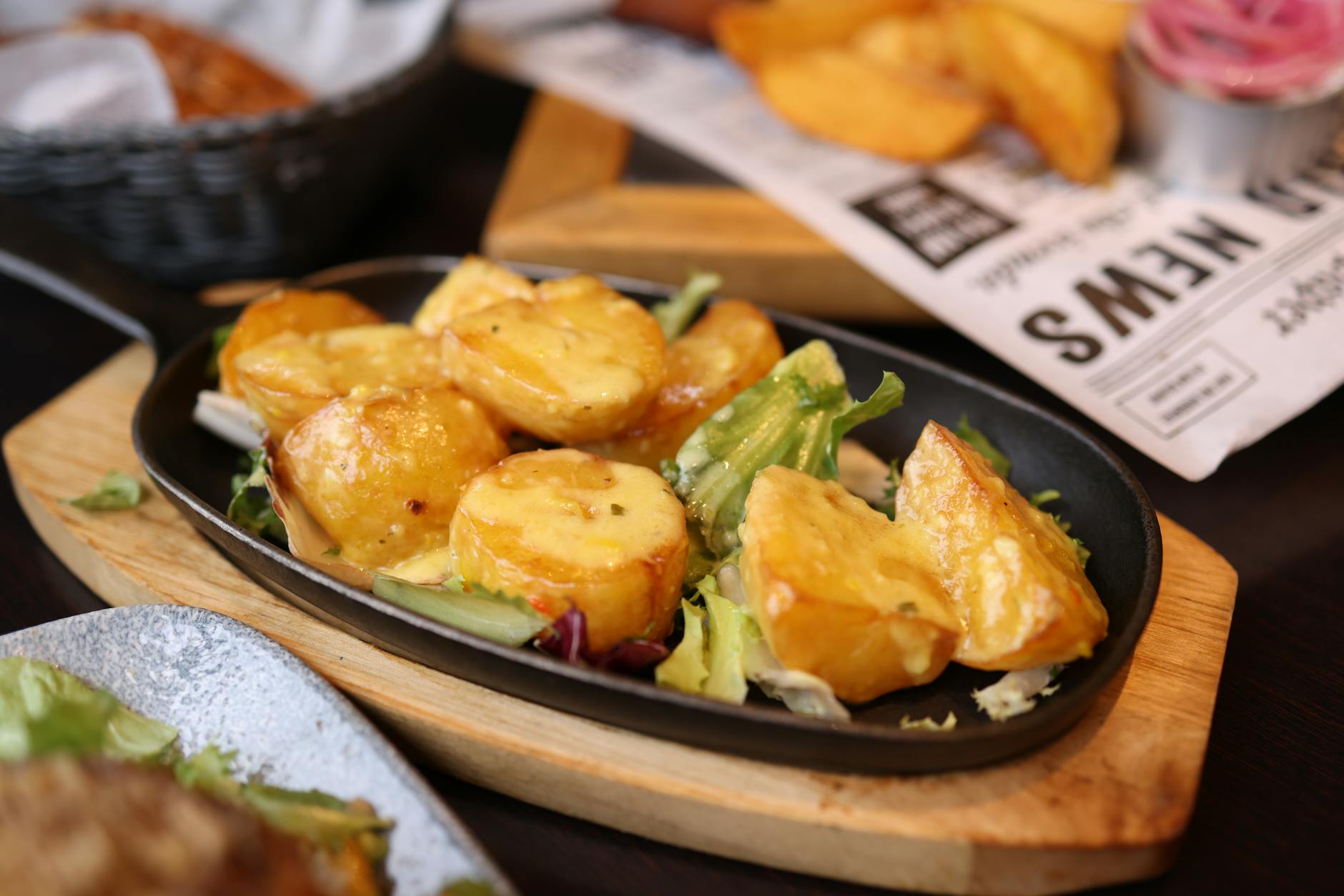
- Spread onto the hot sheet pan and roast for 20 minutes. Flip and roast for another 20-30 minutes until deep golden brown.
Fat and Oil: Choosing the Right Medium
The type of fat you use determines both the flavor and the final texture. Because we are roasting at high heat (425°F to 450°F), you must consider the smoke point of your fat. Using a fat with a low smoke point, like butter or unrefined flax oil, will result in acrid, burnt-tasting potatoes.
Animal Fats: Duck Fat and Tallow
Plant-Based Oils: Avocado vs. Extra Virgin Olive Oil
For a daily version, consider choosing the right cooking oil based on stability. Avocado oil is fantastic because it has a very high smoke point (520°F). While many people love the flavor of Extra Virgin Olive Oil, it can sometimes smoke at 450°F. If you use olive oil, ensure it is a refined version or lower your oven temp to 425°F. Vegetable oil is a reliable, neutral-tasting workhorse that never fails.
The Ideal Oil-to-Potato Ratio
The biggest mistake home cooks make is being stingy with the oil. You aren't just lubricating the pan; you are essentially shallow-frying the potatoes in the oven. For 4 pounds of potatoes, you need at least 1/2 cup of oil. It sounds like a lot, but much of it stays on the pan, and it's the only way to get that "fry-like" finish.
Mastering the Oven Environment
Your oven is a tool, but it can also be an enemy if you don't manage the airflow. To get crispy roasted potatoes, you need to maximize heat transfer and minimize steam.
Preheating the Sheet Pan: A Non-Negotiable Step
The Danger of Overcrowding: Roasting vs. Steaming
If your potatoes are touching, they are steaming. As water evaporates from the potato, it needs to escape. If the pan is crowded, that moisture gets trapped between the pieces, resulting in a soft, mushy texture. You must avoid crowding the roasting pan—leave at least half an inch of space between each chunk. If you have too many potatoes, use two pans.
Convection vs. Standard Settings
If you have a convection oven, use it! The fan circulates hot air, which helps dehydrate the surface of the potato even faster. If using convection, Usually, drop the temperature by 25°F (to 425°F) to prevent the outside from burning before the inside is fluffy. If you're using a standard oven, place your rack in the bottom third of the oven where the heat is most intense.
Seasoning Variations to Elevate Your Side Dish
While kosher salt is the only absolute requirement, you can transform these potatoes into a gourmet experience with the right aromatics. However, timing is everything. If you put fresh garlic in at the start of a 50-minute roast, you’ll end up with bitter, black charcoal bits.
Classic Garlic and Rosemary Infusion
Smoky Paprika and Cumin Rub
For a Mediterranean or Spanish vibe, toss the potatoes in a mix of smoked paprika, cumin, and a pinch of cayenne after they’ve been oiled. The sugars in the paprika will caramelize and add a beautiful dark red hue to your golden brown potatoes.
The Umami Bomb: Parmesan and Black Pepper
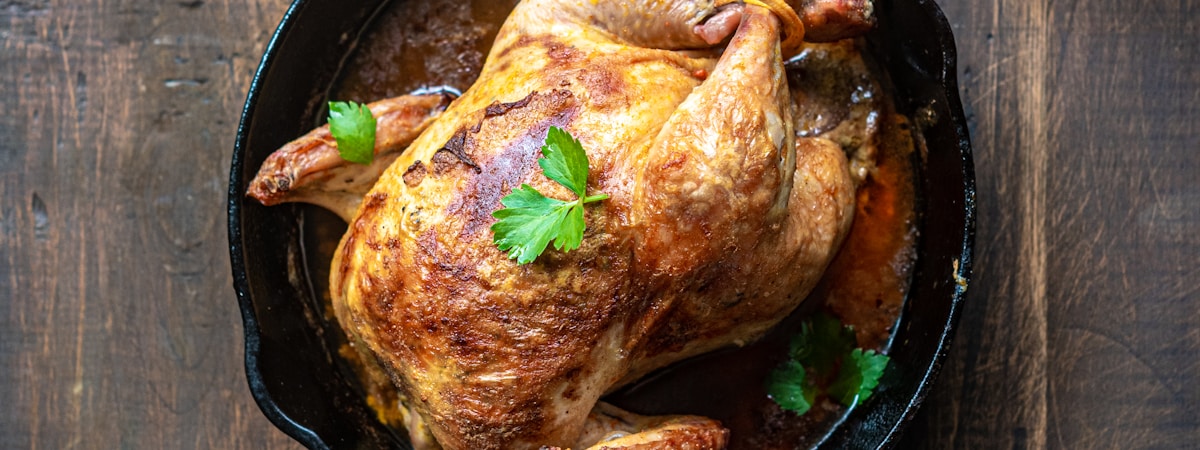
Ten minutes before the potatoes are done, sprinkle them with finely grated Parmesan cheese and plenty of cracked black pepper. The cheese will melt and then crisp up into "frico" edges that cling to the potatoes. This is a perfect side dish for a simple steak or as one of your sides for rotisserie chicken.
The Air Fryer Alternative: Quick and Crispy
Sometimes you don't want to wait an hour for the oven to preheat and roast. The air fryer is a powerful tool because it is essentially a compact, high-powered convection oven. Understanding how air fryers circulate heat will help you realize why they are so effective for potatoes.
Adjusting Temperature for Air Circulation
Because the basket is smaller and the fan is closer to the food, you can usually cook crispy roasted potatoes at 400°F in about 20-25 minutes. You still need to par-boil them for the best results, but the roasting time is halved.
Batch Cooking in the Air Fryer Basket
Troubleshooting Common Potato Problems
Even with a guide, things can go wrong. Here is how I’ve fixed common issues over the years.
This usually happens because of overcrowding or not enough oil. If you see steam rising from the pan in the oven, your potatoes are too close together. Also, make sure you let the potatoes "steam dry" for 2 minutes after draining them from the boiling water.
Dried herbs and minced garlic burn quickly. If you want to use dry spices like oregano or garlic powder, add them halfway through the roasting process or use the oil-infusion method mentioned above.
If the outside is brown but the inside is hard, your oven was likely too hot. Lower the temp to 350°F, cover the pan with foil, and bake for another 10 minutes. The foil will trap enough steam to soften the centers without burning the crust.
Serving, Pairing, and Reheating
The beauty of the crispy roasted potatoes is their versatility. They are the ultimate companion to a Sunday roast, but they also hold their own as a snack with a spicy aioli.
The Best Main Dishes for Roasted Potatoes
How to Reheat Without Losing the Crunch
Whatever you do, stay away from the microwave. The microwave turns the starch into a rubbery mess. To reheat, place the potatoes back on a sheet pan in a 400°F oven for 10 minutes. Alternatively, you can toss them in a dry skillet over medium-high heat for 5 minutes, shaking frequently. They will regain about 90% of their original crunch.
Final Thoughts from the CookBuddyGuide Kitchen
Mastering how to make crispy potatoes in oven is a rite of passage for any home cook. It requires patience and a little bit of science, but the reward is a dish that people will talk about for weeks. Remember: choose Russets, use baking soda, rough them up, and don't be afraid of the oil. Your taste buds will thank you.
Happy roasting, and may your potatoes always be louder than your conversation!