Quick answer
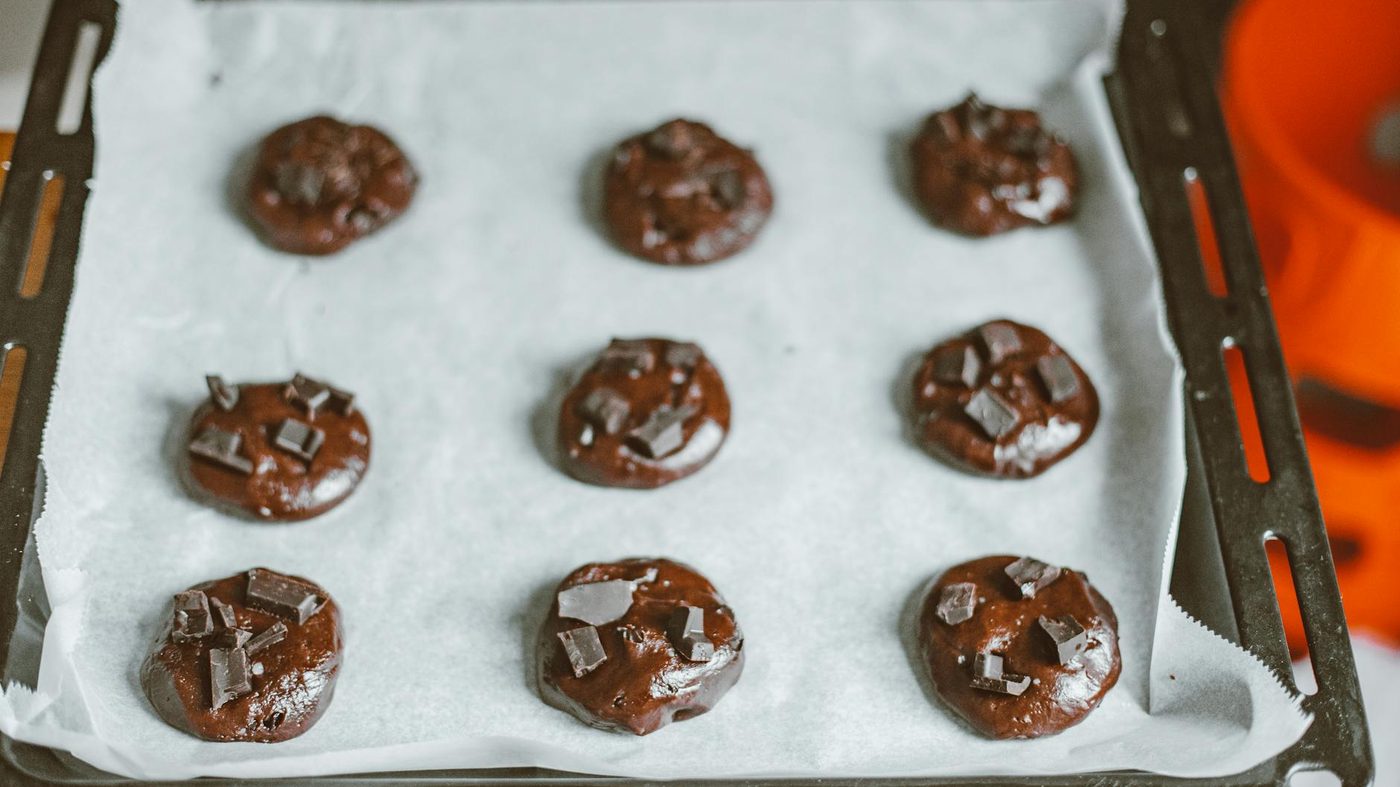
If drop cookies stay in the same round shape they had on the scoop, check the recipe before changing anything. Some cookies are designed to hold their shape. If the recipe should spread, excess flour is the first measurement to check, followed by the fat and mixing method, leavener, dough temperature, pan setup, and actual oven temperature.
Practical note
Bake one test cookie before adjusting the whole bowl. A test shows whether the dough stays completely domed, spreads a little and stops, or browns before it moves. That distinction is more useful than adding butter, liquid, or heat to a full batch and hoping one of them works.
What does the first cookie tell you?
| What you see | Likely place to check | First move |
|---|---|---|
| Dry, cracked mound with little spread | Too much flour or another dry ingredient | Compare the measured flour with the recipe's gram weight. |
| Smooth, tall cookie that puffs upward | Leavener or creaming method | Confirm baking powder was not used in place of baking soda. |
| Very cold, firm dough barely softens | Long chilling or frozen portions | Follow the recipe, then test a gently flattened portion. |
| Edges set and brown before the center moves | Oven running hot or dark pan | Check the oven with a thermometer and use the specified pan. |
| One tray spreads, another does not | Different pan, liner, rack, or dough temperature | Make the tray setup identical before changing the dough. |
| Cookie is thick but tender and evenly baked | The recipe may be designed that way | Do not fix a cookie that matches its intended style. |
On this page
Why didn't your cookies spread?
Cookie spread depends on a recipe's balance of flour, fat, sugar, liquid, and leavener, plus how quickly the dough heats. The same thick shape can come from different causes. Work through the checks below in order and compare your process with the specific recipe instead of applying one universal cookie rule.
1. The cookie is supposed to hold its shape
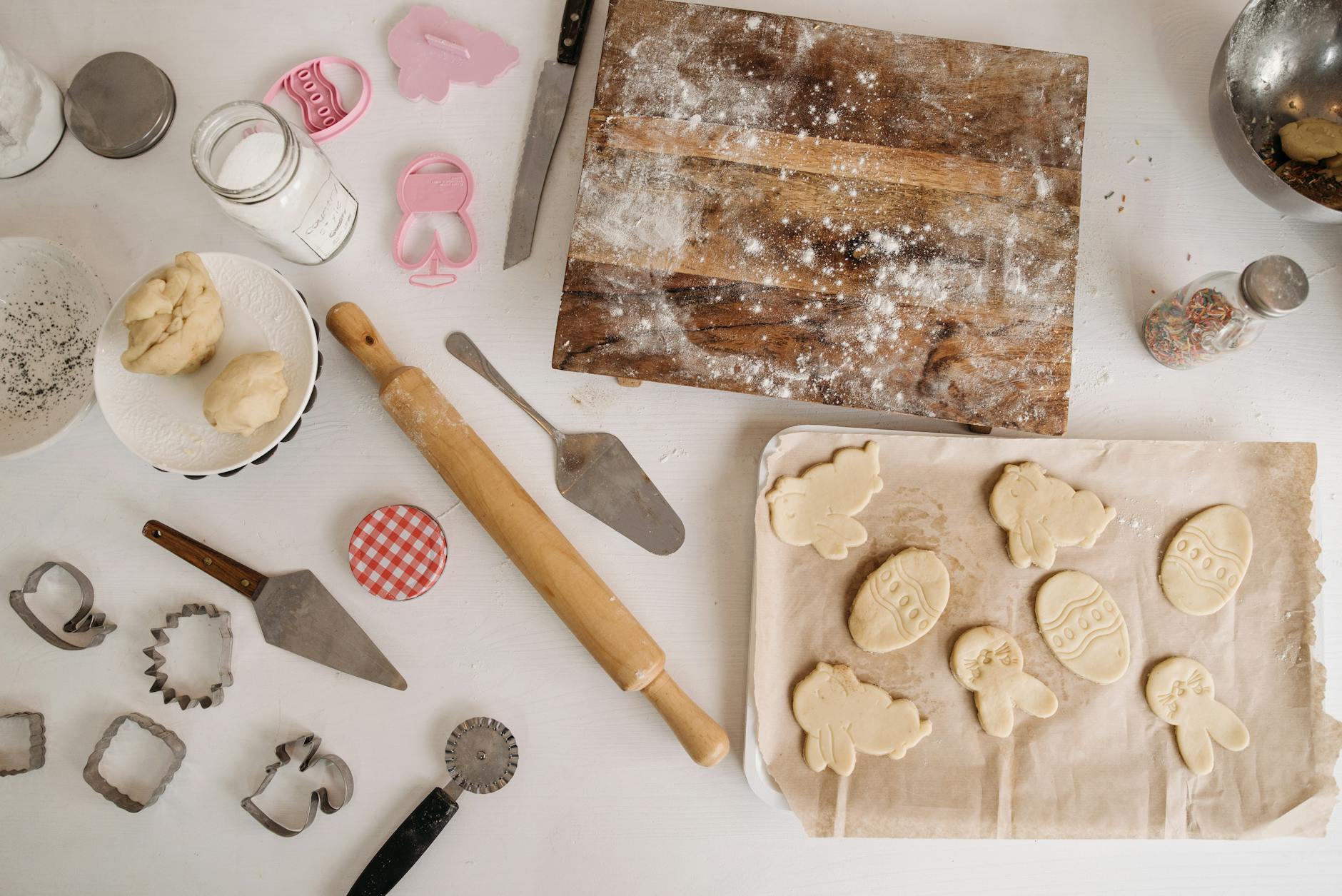
Cutout sugar cookies, shortbread, thumbprints, stuffed cookies, and some bakery-style chocolate chip cookies are deliberately built to stay thick. Their dough may contain more flour, less sugar, colder fat, or a required chilling step. If the recipe photo shows a thick cookie and the instructions tell you to chill or press the dough, limited spread is not a defect.
Look for shape cues in the directions. A recipe that says to roll and cut, press with a glass, make a thumbprint, or flatten each portion is not relying on the oven to create the final diameter. For a separate method designed around a soft, thicker result, see the soft sugar cookie guide.
2. The dough contains too much flour
Excess flour makes dough stiff and gives the melting fat and sugar less room to move it outward. This is the first check when the cookies are dry, cracked, or nearly identical to the scooped portions. The mistake often happens when a measuring cup is pushed into the flour container, which compacts more flour into the cup.
Use the recipe's stated gram weight when it has one. King Arthur Baking defines a cup of its all-purpose flour as 120 grams and recommends weighing for accuracy. That number belongs to King Arthur's measurement standard, so do not impose it on a recipe that gives a different weight. Without a scale, fluff the flour, spoon it into a dry cup, and level the top without tapping. The King Arthur recipe success guide shows the method.
Also count dry additions. Extra cocoa, oats, protein powder, nuts, or flour used on the scoop can tighten a dough. If the dough is both sticky and unexpectedly stiff after a correction, compare it with the separate sticky cookie dough guide before adding more flour.
3. The fat or mixing method changed
Use the fat and preparation method named in the recipe. Softened butter creamed with sugar behaves differently from melted butter, cold butter cut into dry ingredients, shortening, or a reduced-fat spread. King Arthur's creaming guidance describes properly softened butter as cool and able to hold a finger indentation without becoming greasy.
Cold butter is not automatically wrong. Some cookie recipes use it on purpose and compensate with a different mixing method. The problem appears when cold butter is substituted into instructions written for softened, creamed butter. Shortening is another common change: King Arthur's butter and shortening comparison found that shortening-based cookies spread less because the fat remains solid longer.
Check the package if you used margarine or a spread. Products with different fat and water percentages do not copy butter exactly. For the practical differences between the two, use the salted and unsalted butter baking guide and keep the original recipe method intact.
4. The leavener was changed or measured incorrectly
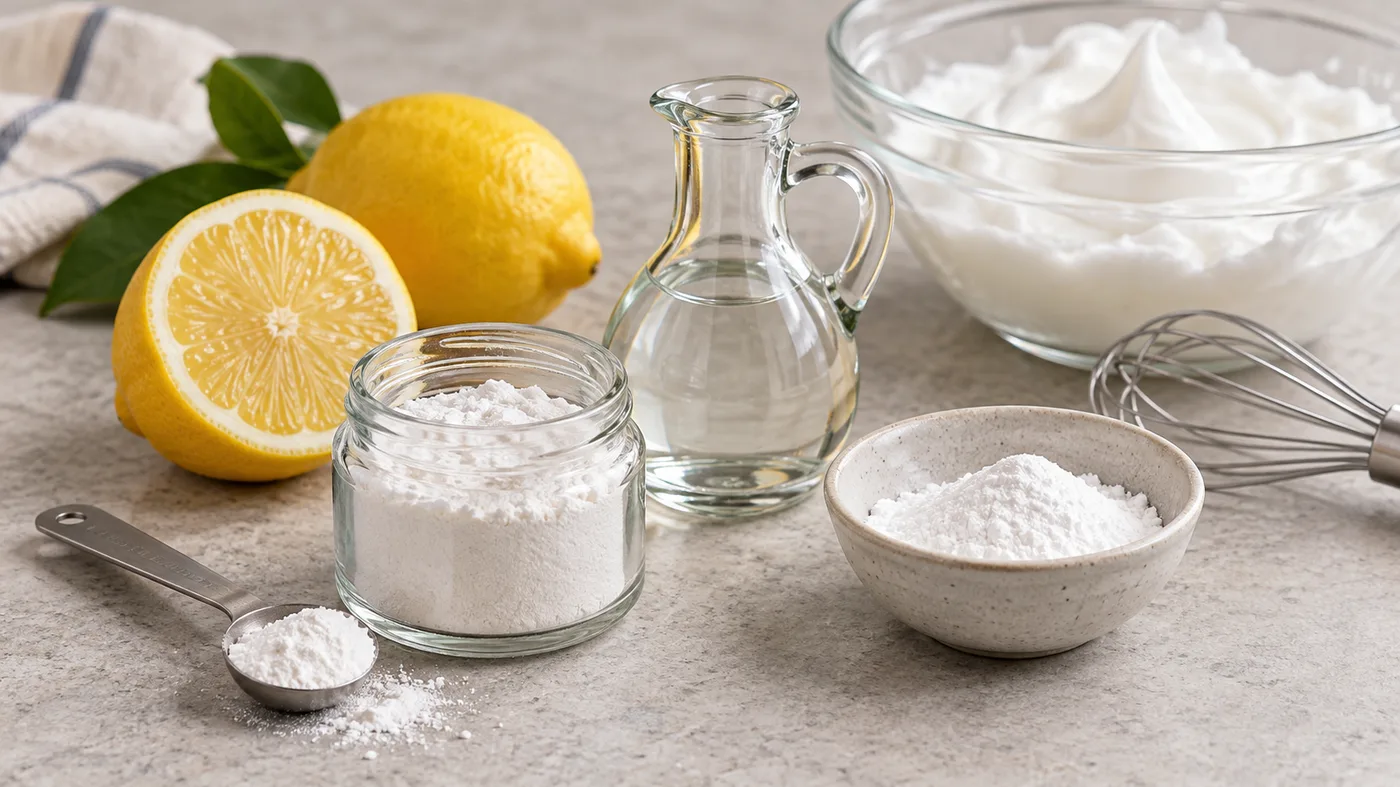
Baking soda and baking powder are not interchangeable scoops of white powder. King Arthur Baking explains that baking soda is more responsible for outward spread, while baking powder tends to create upward lift. Replacing soda with powder, adding both when the recipe calls for one, or rounding the spoon can turn a spreading cookie into a taller, cakier one.
Confirm the label, amount, and spoon size. Level the measuring spoon instead of estimating. Do not swap leaveners simply to make the cookie flatter because soda also changes acidity, browning, and flavor. The King Arthur baking soda and baking powder guide explains why the recipe's acid balance matters. If the container is old, use the separate guide to check whether baking powder is active.
5. The dough is colder or larger than the recipe expects
Chilling is often intentional. It firms the fat, hydrates the flour, and limits spread, which is useful when a recipe calls for it. A normal 30-to-60-minute chill should not be treated as an error. Problems arise when dough meant to bake after a short chill is left overnight, frozen solid, or portioned much larger than directed.
Follow the recipe's chill time first. If an overnight or frozen portion stays domed, test one after a short rest or press it into a thick disk before baking. Do not warm the entire batch until greasy. Portion size matters too: a large, tall scoop can set around the outside before its center has time to slump.
6. The pan or liner changed the bake
Pan lining affects spread, but the old rule that silicone always prevents spreading is too simple. In a controlled King Arthur comparison, both parchment and a nonstick baking mat produced evenly shaped cookies, while greasing and foil changed the edges and spread differently. Use the surface named in the recipe when possible.
Keep the setup consistent between trays. Use a cool pan for each batch, place it on the same rack, and do not grease parchment unless the recipe says to. A dark pan can brown the bottom sooner than a light aluminum sheet, while an insulated sheet can change the timing. Read the King Arthur pan-lining comparison before blaming friction alone.
7. The oven is hotter than the setting
An oven that runs hot can set the outside before the fat has moved the dough outward. The clue is fast edge color with a tall center. Utah State University Extension recommends an oven thermometer for temperature accuracy in its cookie-baking guidance. Preheat fully, place the thermometer near the center rack, and compare its reading with the set temperature.
One reading is a starting point because ovens cycle above and below the target. Watch several cycles before deciding that the dial is wrong. Keep the rack and pan the same during the comparison. If the bottoms darken much faster than the tops, test a lighter-colored sheet before changing the recipe.
Can you fix cookie dough that will not spread?
You can improve the shape of the remaining portions, but the right fix depends on what the test cookie showed. Do not add random liquid or melted butter to the full bowl. Those changes can create greasy edges, uneven pockets, or a new ratio problem that is harder to diagnose.
Use this order for the current batch
- Confirm the intended shape. Check the recipe photo and instructions for pressing, rolling, or chilling.
- Bake one test cookie. Use the specified pan, liner, rack, temperature, and portion size.
- If the dough is frozen or unusually firm, let one portion sit briefly and test it. Keep the rest cold while you compare.
- If the first cookie remains domed, press the next test portion into a thick disk before baking. This changes the shape without changing the full dough.
- If you know exactly how much extra flour went in, scale the other ingredients to restore the original ratio. If you do not know, avoid guessing across the whole batch.
- If the cookies are already baked, accept the thicker texture or use them as crumbs for a crust or dessert topping. Baked cookies cannot be made to spread afterward.
If the cookies spread too far after a correction, stop and return to the original process. The opposite problem has its own diagnostic order in the guide to flat cookies. Change one variable per test so the result tells you something useful.
How do you prevent the same problem next time?
Record the recipe, ingredient brands, flour weight, fat method, chill time, scoop size, pan, liner, rack, and oven reading. That sounds fussy, but only the unusual detail needs attention. If the recipe worked before, compare the failed batch with the last successful one before rewriting the formula.
- Read the full recipe and confirm whether the cookies should spread on their own.
- Weigh the flour using the recipe's gram amount, or spoon and level it.
- Use the named fat and bring it to the texture required by the mixing method.
- Measure the exact leavener with a level spoon and verify the label.
- Follow the stated chill time and portion size.
- Use the specified pan and liner, and cool the pan between batches.
- Preheat fully and verify the center-rack temperature with an oven thermometer.
- Bake one test cookie before loading the entire tray.
For ingredient substitutions, check their structural role before using them. A baking powder replacement affects more than lift, and an acid adjustment can change spread and color. Start with the baking powder substitute guide or the cream of tartar substitute guide when the original leavener is unavailable.
Frequently asked questions
Can I flatten cookies before baking if they are not spreading?
Yes. Press one test portion into a thick disk before baking if the recipe should spread but a first test cookie stayed domed. This changes the shape, not the dough ratio, so still check the flour, fat, leavener, and temperature before the next batch.
Does baking powder keep cookies from spreading?
Baking powder tends to add lift, while baking soda generally encourages more outward spread and browning. That does not make them interchangeable. Use the leavener and amount in the recipe because changing one also changes acidity, flavor, color, and texture.
Should chilled cookie dough warm up before baking?
Follow the recipe. A normal 30-to-60-minute chill is often intentional and should not be reversed automatically. Very firm overnight or frozen dough may bake thicker, so a test cookie can show whether the portions need a short rest or gentle flattening.
Why are my cookies thick, dry, and still shaped like the scoop?
That combination points first to excess flour or another dry, absorbent ingredient. Compare the recipe's gram weight, confirm that the flour was not packed into the cup, and check whether extra cocoa, oats, protein powder, or nuts changed the dough.
Sources
- King Arthur Baking: Recipe Success Guide
- King Arthur Baking: Creaming Butter and Sugar
- King Arthur Baking: Baking Soda vs. Baking Powder
- King Arthur Baking: How Pan Liners Affect Cookie Spread
- Utah State University Extension: Christmas Cookie Baking Tips
What should you check first?
Confirm that the recipe is meant to spread, then compare the flour measurement with its stated weight. Next check the fat method, leavener, chill time, pan setup, and oven reading. Bake one test cookie after each adjustment. That sequence finds the cause without turning the remaining dough into a second experiment.